AKI on CKD: How to Avoid Contrast and Nephrotoxic Medications to Protect Kidney Function
 Feb, 21 2026
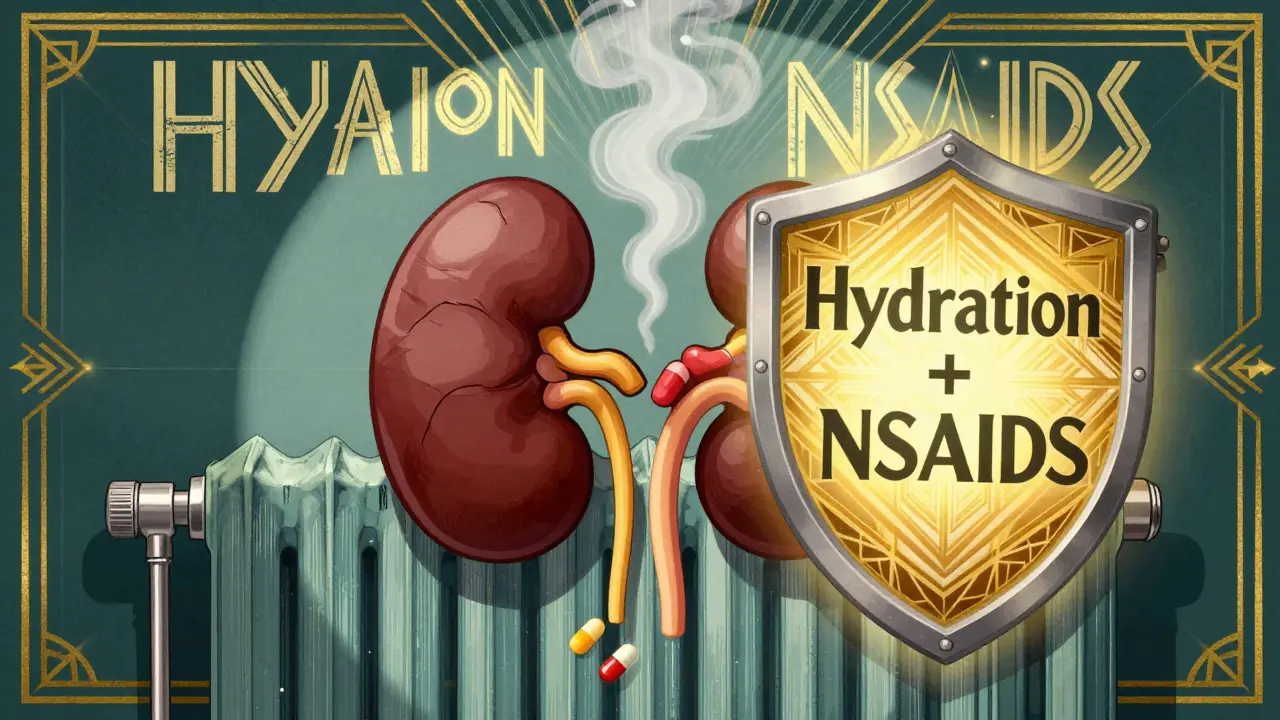
When your kidneys are already struggling because of chronic kidney disease (CKD), even small stressors can push them into acute failure. This is called AKI on CKD - acute kidney injury happening on top of existing kidney damage. It’s not just a bump in the road; it’s a serious event that can lead to permanent loss of function, dialysis, or even death. The good news? Many of these episodes are preventable. The biggest culprits? Iodinated contrast used in CT scans and common medications you might not even think of as dangerous to your kidneys.
Why AKI on CKD Is So Dangerous
Chronic kidney disease means your kidneys are already working at reduced capacity. If your eGFR is below 60 mL/min/1.73m², you’re in stage 3 or worse. That’s not just a number - it’s a warning sign your kidneys are fragile. Now, add a contrast dye injection for a CT scan, or a course of ibuprofen for back pain, or even a strong antibiotic like vancomycin - and you’re asking your kidneys to handle a double burden. Their ability to filter and recover is already compromised. The result? A sudden spike in creatinine, a drop in urine output, and potentially irreversible damage.
Studies show that in patients with CKD, the risk of contrast-induced kidney injury (CI-AKI) jumps from less than 5% in healthy people to as high as 50% in those with advanced disease. And it’s not just contrast. A 2021 meta-analysis found that about 30% of AKI episodes in CKD patients lead to permanent kidney function loss. For 10-15% of them, it ends in end-stage renal disease within five years. This isn’t theoretical - it’s happening in hospitals and clinics every day.
Contrast Dyes: The Silent Threat
Iodinated contrast is used in hundreds of thousands of CT scans every year. For most people, it’s harmless. For someone with CKD? It’s a high-risk gamble. The dye can cause direct toxicity to kidney tubules and reduce blood flow to the kidneys, especially if you’re dehydrated or have diabetes or heart failure - all common in CKD patients.
The KDIGO 2012 guidelines - still the gold standard - say this clearly: avoid contrast when possible. If you absolutely need the scan, use the smallest dose possible - usually no more than 100 mL. And hydration is non-negotiable. You need 1.0 to 1.5 mL of isotonic saline per kilogram of body weight per hour, starting 6 to 12 hours before the scan and continuing for the same time after. This isn’t just drinking water - it’s controlled IV fluid to flush the dye out safely.
Some hospitals try sodium bicarbonate or N-acetylcysteine (NAC) to protect the kidneys, but evidence is weak. Recent studies show no real benefit over plain saline. Don’t waste time on unproven tricks. Stick to what works: less dye, more fluids, and only when necessary.
Nephrotoxic Medications: What You’re Probably Taking
Most people don’t realize that everyday drugs can wreck their kidneys. Here’s what you need to watch for:
- NSAIDs (ibuprofen, naproxen, diclofenac): These are the #1 preventable cause of AKI in CKD patients. They block chemicals that keep blood flowing to the kidneys. Studies show NSAID use in CKD increases AKI risk by 2.5 times. A single dose can trigger a crash in someone with stage 4 CKD.
- ACE inhibitors and ARBs (lisinopril, losartan): These are lifesavers for heart and kidney protection - but only if used right. In acute illness, they can drop kidney blood pressure too far. A sudden 15-25% rise in creatinine after starting or restarting these drugs is common. Don’t stop them blindly - talk to your doctor. They may need to be paused temporarily during infection or dehydration.
- Aminoglycosides (gentamicin, tobramycin): Used for serious infections, but toxic in 10-25% of courses. They build up in kidney cells and damage them. Blood levels must be monitored closely.
- Vancomycin: Another antibiotic that’s hard on kidneys, especially if trough levels go above 15 mcg/mL. It’s common in hospitals, but not always necessary.
- Amphotericin B: An antifungal with up to 80% nephrotoxicity rates. Often avoided unless absolutely needed.
Pharmacists are your hidden allies here. One study showed pharmacist-led reviews cut AKI rates in hospitalized CKD patients by 22%. Ask for a med review. If you’re on multiple prescriptions, someone needs to check for hidden dangers.
What to Do When You Have CKD
If you have CKD, here’s your action plan:
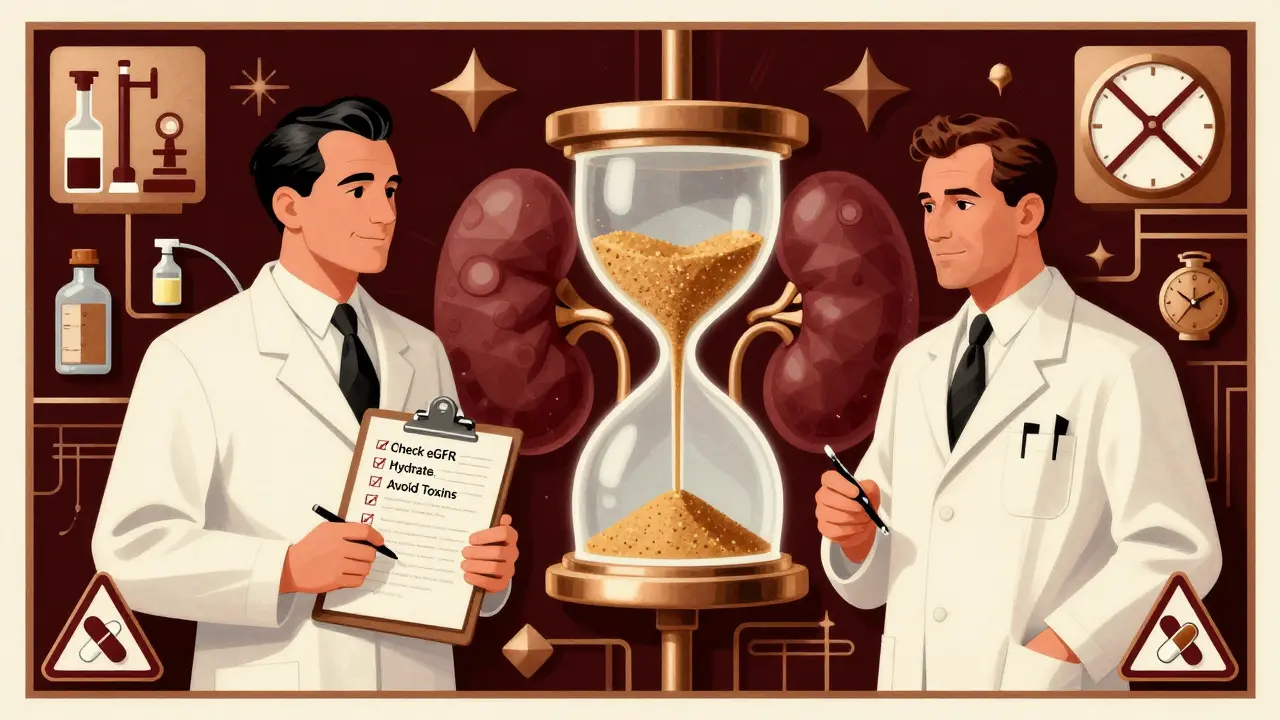
- Know your eGFR. Don’t rely on old numbers. Get it checked every 3-6 months. If it’s below 45, you’re in high-risk territory.
- Always tell every doctor you have CKD. Even your dentist or physical therapist. Many don’t ask.
- Never take NSAIDs without talking to your nephrologist. Use acetaminophen instead for pain.
- Hydrate daily. Drink enough water - especially if you’re sick, sweating, or in hot weather. Dehydration is a major trigger.
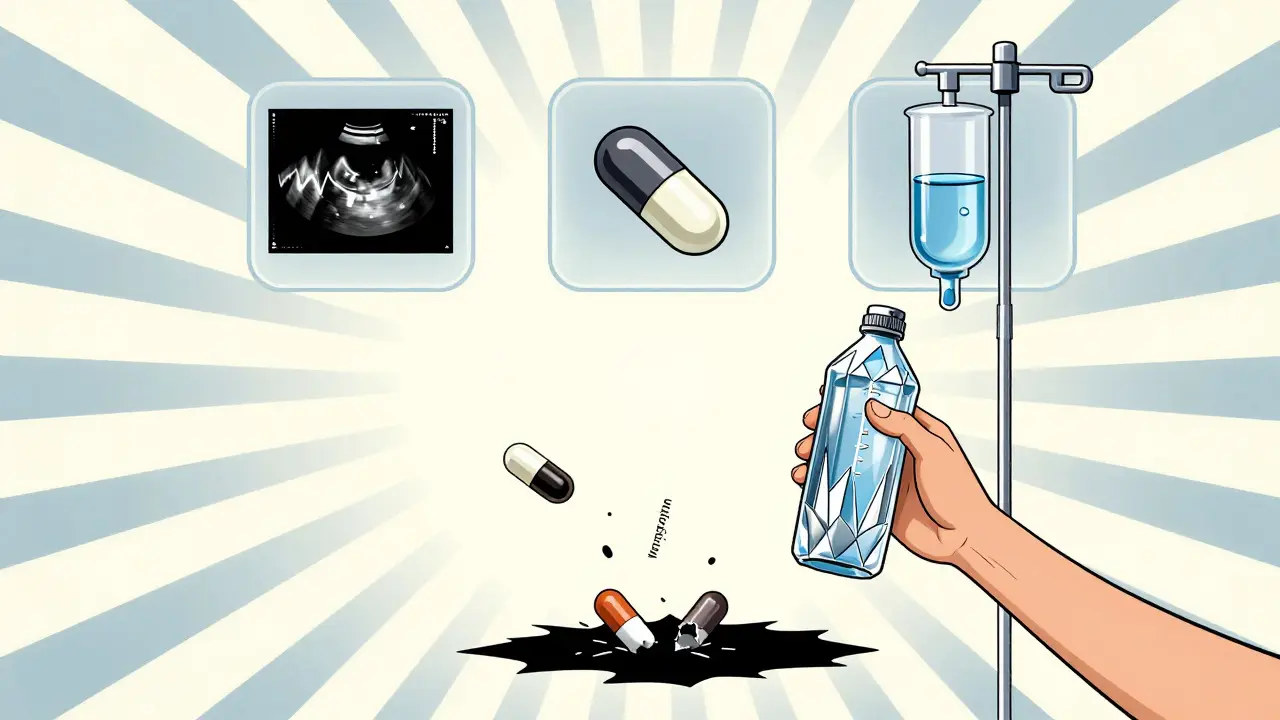
- Ask before any scan. "Is there an alternative to contrast?" MRI or ultrasound may work. If contrast is needed, insist on hydration protocol.
- Review all meds with a pharmacist. Especially after hospital discharge. New prescriptions can be dangerous.
- Monitor urine output. If you’re producing less than half a liter a day for more than 6 hours, get checked.
What the Guidelines Say - And Don’t Say
The KDIGO 2012 guidelines are clear on what doesn’t work:
- Dopamine? Don’t use it. It doesn’t help.
- Diuretics? Only if you’re fluid-overloaded. They don’t protect kidneys.
- Fenoldopam? No benefit. Avoid.
- Albumin or dextran for hydration? Avoid. Use isotonic saline instead.
What does work? Simple, consistent care. Hydration. Avoiding toxins. Monitoring. And knowing when to pause medications.
One overlooked point: CKD patients with AKI need more frequent checks. While stable CKD is monitored every few months, AKI on CKD requires creatinine checks every 24-48 hours. That’s how you catch a problem before it becomes irreversible.
Real-World Barriers - And How to Beat Them
Even with clear guidelines, mistakes happen. A 2018 study found that 30-50% of CKD patients aren’t flagged as high-risk before they get contrast or nephrotoxic drugs. Why? Electronic alerts get ignored. Clinicians override them because they think, "This patient needs it." But often, they don’t.
Patients can help. Bring a list of all your meds to every appointment. Ask: "Could any of these hurt my kidneys?" If you’re scheduled for a scan, call ahead. Say: "I have CKD. What’s the plan to protect my kidneys?" Most hospitals have protocols - you just need to ask.
Education works. One study found that CKD patients who got clear counseling about avoiding NSAIDs and staying hydrated had 25% fewer hospitalizations for AKI. Knowledge is power - and protection.
The Bigger Picture: AKI Is Not Just a Short-Term Problem
Many think AKI is something you recover from. But in CKD, it often isn’t. Each episode can permanently lower your kidney function. The KDIGO 2019 conference introduced the term Acute Kidney Disease (AKD) - kidney damage lasting 7 to 90 days. If your creatinine doesn’t return to baseline within 3 months, you may have progressed to a new, worse stage of CKD.
That’s why follow-up matters. After an AKI episode, get your eGFR and urine albumin-to-creatinine ratio (uACR) tested again at 3 months. That’s how you know if the damage stuck.
What’s New in 2026?
New tools are emerging. Biomarkers like TIMP-2 and IGFBP7 can predict AKI within 12 hours - before creatinine even rises. They’re not in every hospital yet, but they’re coming. The next KDIGO update, expected in late 2024, will likely refine hydration protocols and address AKD more formally. But the core message hasn’t changed: avoid the toxins, hydrate, and monitor.
And don’t forget - nephrology consultation cuts mortality by 20%. If you’re hospitalized with AKI on CKD, ask for a nephrologist. It makes a difference.
Can I still get a CT scan if I have CKD?
Yes - but only if absolutely necessary. Ask your doctor if an MRI or ultrasound could give the same information. If contrast is required, insist on using the lowest possible dose (usually ≤100 mL) and receiving IV hydration with normal saline before and after the scan. Never agree to a scan without asking about kidney protection.
Is it safe to take ibuprofen or Advil with CKD?
No. NSAIDs like ibuprofen, naproxen, or diclofenac increase AKI risk by 2.5 times in CKD patients. Even occasional use can cause sudden kidney damage. Use acetaminophen (Tylenol) for pain instead - but check with your doctor if you have liver disease.
Should I stop my blood pressure meds if I get sick?
Don’t stop them on your own. ACE inhibitors and ARBs are vital for long-term kidney protection. But during illness - especially with vomiting, diarrhea, or fever - your kidneys need more blood flow. These drugs can reduce it too much. Talk to your doctor. They may advise you to temporarily hold the dose until you’re rehydrated and stable.
How do I know if my kidneys are getting worse?
Watch for signs: swelling in legs or face, less urine output, extreme fatigue, nausea, or confusion. But the best way to know? Get your eGFR and uACR checked regularly. A drop in eGFR by more than 25% from your baseline, or a rise in uACR, signals worsening kidney damage. Don’t wait for symptoms.
Can drinking more water prevent AKI on CKD?
Yes - but not just any water. Staying well-hydrated helps your kidneys flush out toxins and maintain blood flow. Aim for clear or light yellow urine. During illness, travel, or heat, increase fluids. But if you have heart failure or severe fluid restrictions, talk to your doctor first. Hydration isn’t one-size-fits-all.
Do I need dialysis if I have AKI on CKD?
Not usually. Most AKI episodes on CKD are reversible with proper care - avoiding toxins, hydration, and monitoring. Early dialysis doesn’t improve survival, according to the 2022 AKIKI 2 trial. Dialysis is only needed if you develop dangerous complications like high potassium, severe acidosis, or fluid overload. Don’t assume it’s automatic.
tia novialiswati
February 22, 2026 AT 16:38Just wanted to say THANK YOU for this post!! 🙌 I have stage 3 CKD and honestly didn’t realize how dangerous ibuprofen could be-used to take it like candy for headaches. Now I keep Tylenol in my purse and tell every doctor, ‘My kidneys are fragile.’ You just saved me from a future hospital trip 😊
Dominic Punch
February 23, 2026 AT 01:47Let’s cut through the noise: this isn’t about ‘being careful’-it’s about survival. Every time a patient gets a CT with contrast without proper hydration protocols, it’s a failure of the system. And yes, I’ve seen it happen. A 68-year-old with eGFR 38 gets a contrast scan for ‘just a quick check’-ends up on dialysis for 3 months. It’s not ‘bad luck.’ It’s negligence. Stop treating CKD like it’s optional to protect.
Valerie Letourneau
February 24, 2026 AT 03:02As a nephrology nurse in Toronto, I can attest to the staggering number of preventable AKI episodes we encounter. The most common trigger? NSAIDs prescribed by primary care providers who are unaware of the patient’s eGFR. We have implemented mandatory eGFR flags in our EMR system-resulting in a 40% reduction in contrast-related AKI over 18 months. Systemic change works. Advocacy matters. Education saves lives.
Khaya Street
February 24, 2026 AT 06:49Look, I get it. But let’s be real-how many people actually follow this? I’ve got a cousin with CKD. He’s got 12 meds, forgets half of them, and still takes Aleve for his back. The system’s broken. Doctors don’t have time. Patients don’t know. And the ‘hydration protocol’? Most can’t even afford the IV fluids. This is great info… but it’s not practical for 80% of us.
Joseph Cantu
February 24, 2026 AT 14:16They’re lying about the ‘guidelines.’ I’ve been digging into the FDA whistleblower reports-pharma companies pushed contrast dyes for decades while hiding the renal toxicity data. And NAC? They killed the studies that showed it worked. Why? Because saline is cheap. NAC is profitable. They want you to think it’s ‘science’-it’s profit. And don’t get me started on how they downplay AKD as ‘just a bump’… it’s a cover-up. Your kidneys are being sacrificed for corporate margins.
Lisandra Lautert
February 25, 2026 AT 04:47Contrast-induced AKI is preventable. NSAIDs are deadly in CKD. Hydration is non-negotiable. Pharmacist reviews reduce events by 22%. eGFR must be checked every 3-6 months. Dialysis isn’t automatic. These aren’t opinions. These are evidence-based facts. Stop guessing. Start acting.
Cory L
February 25, 2026 AT 21:58Bro, I’ve got stage 4 CKD and I’m still alive because I stopped drinking soda, started chugging water like it’s my job, and now I carry a laminated card in my wallet that says ‘CKD-NO NSAIDS, NO CONTRAST WITHOUT HYDRATION.’ I showed it to my ER doc last year. He said, ‘Holy shit, you’re the first one who came prepared.’ This shit works. You’re not helpless. You’re a warrior.
Southern Indiana Paleontology Institute
February 26, 2026 AT 07:16They say ‘avoid contrast’ but what about when you’ve got a tumor and need the scan? This is all just fear-mongering. We’re Americans. We don’t let some numbers scare us. My cousin had cancer and got contrast-he’s fine. And who’s gonna pay for all this IV hydration? This is just more government overreach. We need less ‘guidelines’ and more common sense.
Anil bhardwaj
February 28, 2026 AT 02:54From India, I’ve seen this too. Many patients here can’t afford even basic labs, let alone hydration protocols. But we do have one advantage: lots of people drink coconut water daily-it’s natural, electrolyte-rich, and cheap. Not a replacement for saline, but in rural areas, it helps. Maybe we need low-cost, culturally adapted solutions-not just Western protocols.
lela izzani
February 28, 2026 AT 10:54Thank you for this incredibly clear and vital information. I’ve been a kidney transplant recipient for 12 years and still get regular nephrology checks. One thing I’ve learned: the most dangerous word in medicine is ‘just.’ ‘Just a quick scan.’ ‘Just a little Advil.’ ‘Just skip a dose.’ There is no ‘just’ when your kidneys are fragile. I’m sharing this with my support group. Knowledge truly is the best medicine.