Benzodiazepines: What They Do, How They Help, and Why They Can Be Dangerous
 Jan, 6 2026
Imagine your heart racing, your chest tight, and your mind spinning out of control - panic hits like a freight train. In that moment, a benzodiazepine can feel like a lifeline. Within an hour, the panic fades. Breathing slows. The world feels quiet again. That’s the power of these drugs. But here’s the catch: what helps you today might trap you tomorrow.
How Benzodiazepines Work
Benzodiazepines don’t just calm you down - they change how your brain works. They boost the effect of GABA, a natural chemical that slows down overactive nerve signals. Think of your brain as a room full of people yelling. GABA is the person who walks in and says, ‘Everyone, please calm down.’ Benzodiazepines hand that person a megaphone. Suddenly, the noise drops. That’s why they work so fast for panic attacks, seizures, or muscle spasms.
There are different types, each with different lengths of action. Short-acting ones like alprazolam and triazolam kick in quickly and wear off fast - good for sudden anxiety or trouble falling asleep. Longer-acting ones like diazepam and clordiazepoxide stick around longer, making them better for managing ongoing anxiety or alcohol withdrawal. The choice isn’t random. Doctors pick based on what you need, how long you need it, and your risk for dependence.
The Real Benefits - When They Actually Help
For acute situations, benzodiazepines are unmatched. In an emergency room, when someone is having a seizure that won’t stop, midazolam is often the first line of defense. In the ICU, patients on ventilators get midazolam or diazepam to stay calm and avoid fighting the machine. For someone having their first panic attack, a single dose of alprazolam can mean the difference between staying home and ending up in the ER.
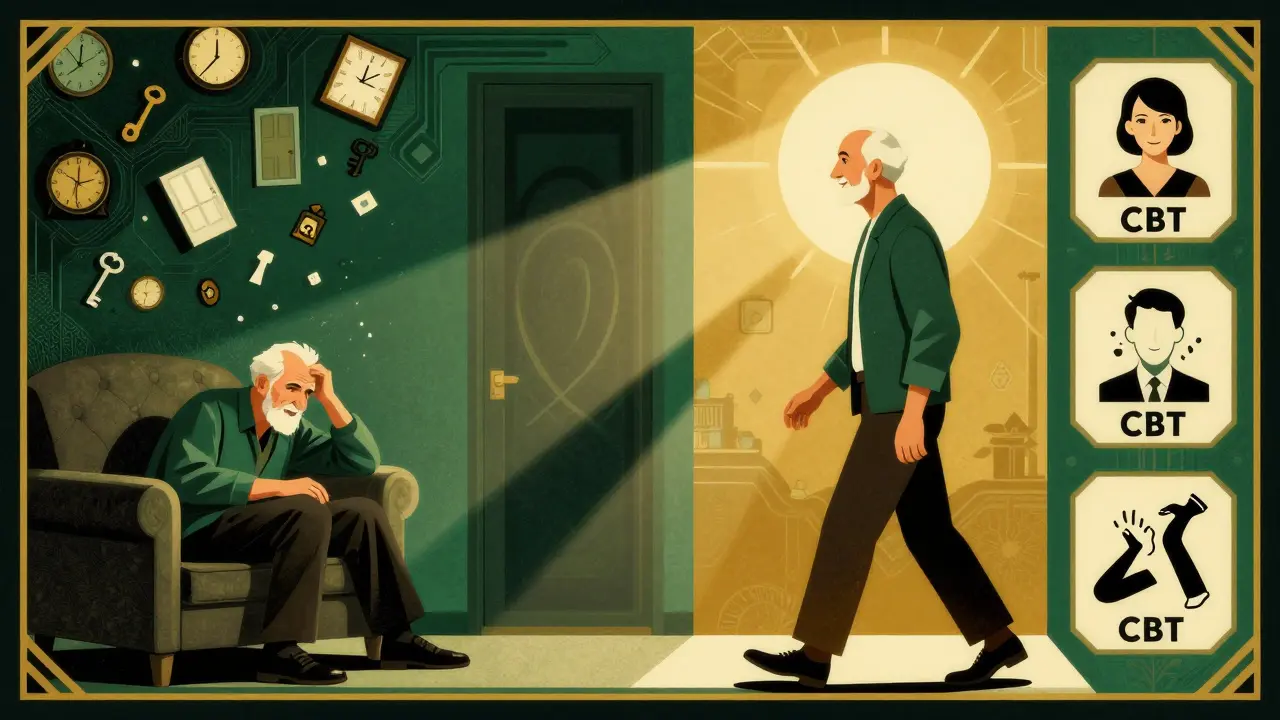
Compared to antidepressants like SSRIs, which take weeks to work, benzodiazepines act in minutes. That’s why they’re still used - even though we know the risks. A 2023 study in JAMA Internal Medicine found that when patients used low-dose benzodiazepines alongside cognitive behavioral therapy, their chance of becoming dependent dropped by 58%. That’s the sweet spot: short-term help while building longer-term coping skills.
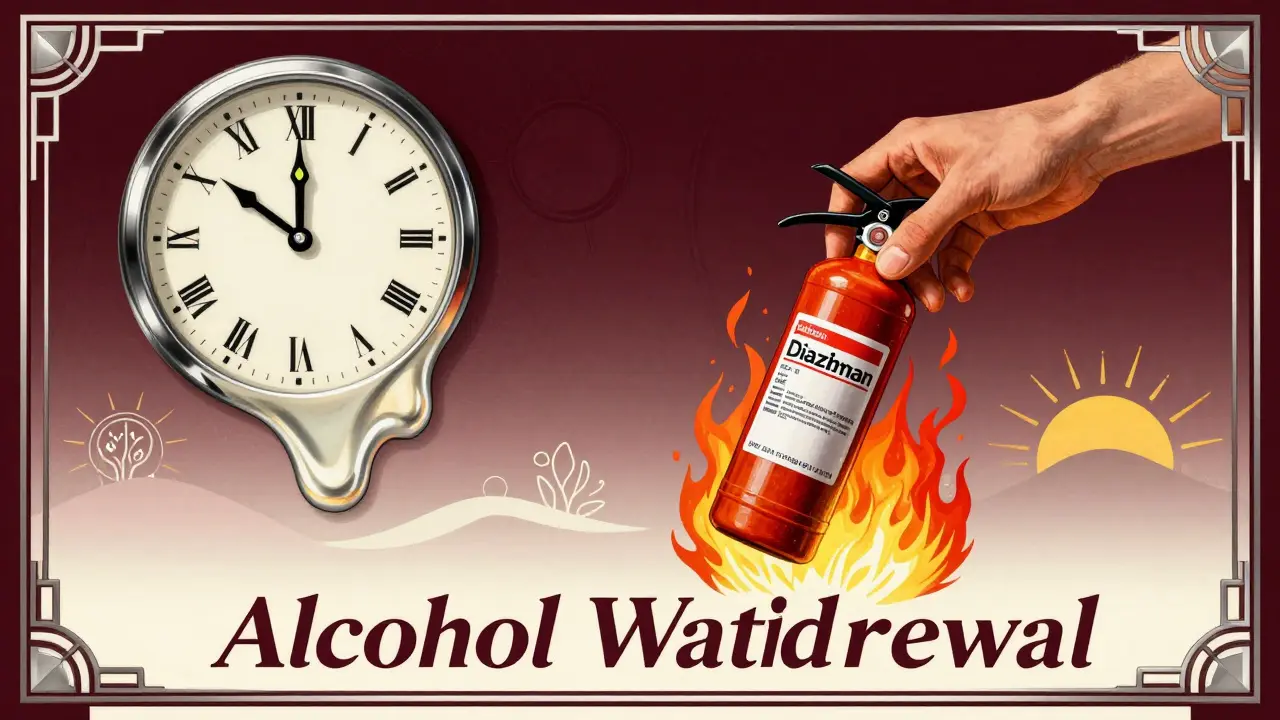
They’re also the go-to for alcohol withdrawal. When someone stops drinking after months or years of heavy use, their brain goes into overdrive. Seizures, hallucinations, high blood pressure - benzodiazepines like chlordiazepoxide or diazepam can prevent life-threatening complications. In these cases, they’re not just helpful - they’re lifesaving.
The Hidden Risks - It’s Not Just Addiction
Most people think of addiction when they hear ‘benzos.’ But dependence is different - and it’s more common than you think. You don’t need to be using them recreationally to become dependent. Just taking a daily dose for more than four weeks can trigger physical dependence. Studies show 30% to 50% of patients on therapeutic doses develop it. That means your body starts to need the drug just to feel normal.
And withdrawal? It’s brutal. Stopping cold turkey can cause seizures, hallucinations, extreme anxiety, tremors, and even delirium. One user on a support forum described it as ‘being trapped in a nightmare while awake.’ The Ashton Manual, the gold standard for tapering, says most people need 3 to 6 months - sometimes longer - to safely stop after long-term use. That’s not a quick fix. That’s a months-long process with medical support.
Side effects aren’t just about withdrawal. Drowsiness, dizziness, memory gaps, and poor coordination are common - even at normal doses. A 2022 survey found 23% of users reported memory lapses during everyday tasks: forgetting conversations, walking into a room and not remembering why, missing appointments. For older adults, the risks are even worse. The American Geriatrics Society warns that benzodiazepines increase fall risk by 50% and raise dementia likelihood by 32% in people over 65. That’s why they’re now on the Beers Criteria list - drugs doctors should avoid in seniors.
Dependence: How It Happens, and Who’s Most at Risk
Dependence doesn’t happen because someone is weak or ‘addicted to feeling good.’ It happens because the brain adapts. Over time, it reduces its own GABA production, relying on the drug to do the job. When the drug leaves, the brain is left with too little calming activity - and too many overexcited neurons. That’s what causes rebound anxiety, insomnia, and seizures.
Some people are more vulnerable. Women are prescribed benzodiazepines at nearly double the rate of men. Older adults, people with a history of substance use, and those with chronic anxiety or trauma are at higher risk. So are people who take them for longer than recommended. The FDA and the American Psychiatric Association both say: 2 to 4 weeks max for anxiety. Yet in the U.S., 12.6% of adults got a benzodiazepine prescription in 2021. Many of those prescriptions were for months or years.
And then there’s self-medication. People who buy pills online, share prescriptions, or keep refilling without doctor visits are setting themselves up for trouble. A 2021 CAMH study found 61% of problematic cases involved use beyond what was prescribed.
What to Do If You’re Taking Them - Or Thinking About It
If you’ve been on benzodiazepines for more than a few weeks and want to stop, don’t quit on your own. Tapering slowly - reducing your dose by 5% to 10% every 1 to 2 weeks - is the only safe way. A doctor can create a personalized plan, often switching you to a longer-acting benzo like diazepam to make the process smoother.
If you’re considering starting them, ask: ‘Is this for a short-term crisis?’ If yes, they might help. If you’re hoping they’ll fix your anxiety forever, they won’t. And they’ll likely make things harder later.
There are better long-term options. CBT for anxiety and insomnia works as well as medication - without the risk. SSRIs and SNRIs take longer to work, but they don’t cause dependence. For sleep, CBT-I (Cognitive Behavioral Therapy for Insomnia) is the top-recommended treatment by sleep experts. It doesn’t just help you sleep - it rewires how you think about sleep.
The Bigger Picture - Why These Drugs Still Exist
Despite the risks, benzodiazepines aren’t going away. The global market is still growing, worth over $1.7 billion in 2022. Why? Because for some conditions, there’s no real alternative. In an emergency, you need something that works now. For status epilepticus, nothing else is as fast or reliable. For acute alcohol withdrawal, they’re standard care.
But the tide is turning. The UK’s NICE guidelines now say: don’t start benzodiazepines for anxiety. Kaiser Permanente cut long-term use by 37% by adding electronic alerts when prescriptions go past 90 days. The FDA added a black box warning in 2020 - the strongest possible - about abuse, dependence, and withdrawal.
The future isn’t about banning them. It’s about using them like a fire extinguisher - only when the fire is real, and never letting it become the only tool you have.
Bottom Line
Benzodiazepines are powerful tools - not magic pills. They can save lives in emergencies. They can give someone a chance to breathe during a panic attack. But they are not for daily, long-term use. The cost - dependence, memory loss, falls, withdrawal - is too high.
If you’re on them now, talk to your doctor about a plan to taper. If you’re thinking about starting, ask what else you can try. There are safer, longer-lasting ways to feel better. You don’t have to choose between immediate relief and long-term safety. You can have both - if you start with the right plan.
Can you get addicted to benzodiazepines if you take them as prescribed?
Yes. Even when taken exactly as directed, physical dependence can develop after just 2 to 4 weeks of daily use. This isn’t the same as addiction - you may not crave the drug or use it illegally - but your body adapts to it. Stopping suddenly can cause dangerous withdrawal symptoms. That’s why doctors recommend short-term use only.
How long does benzo withdrawal last?
It varies. For short-term users, symptoms may last a few days to weeks. For those who’ve taken them for months or years, withdrawal can last months - sometimes over a year. The Ashton Manual recommends a slow taper, reducing dose by 5%-10% every 1-2 weeks. Most people need 3 to 6 months to fully withdraw. Symptoms like anxiety, insomnia, and sensitivity to light or sound can linger but gradually improve.
Are there safer alternatives to benzodiazepines for anxiety?
Yes. SSRIs like sertraline or escitalopram are first-line for long-term anxiety - they take 4 to 6 weeks to work but have no dependence risk. For panic attacks, CBT (cognitive behavioral therapy) is as effective as medication and lasts longer. For sleep problems, CBT-I is the top-recommended treatment. For acute anxiety, mindfulness, breathing techniques, and grounding exercises can help while you build longer-term skills.
Why are benzodiazepines still prescribed if they’re so risky?
Because they work - fast. In emergencies like seizures, alcohol withdrawal, or acute panic, there’s no better option. They’re also used in hospitals for sedation during procedures. The problem isn’t their use - it’s their overuse for chronic conditions. Doctors are learning to prescribe them only for short-term relief while guiding patients toward safer, lasting solutions.
Can you die from benzodiazepine withdrawal?
Yes, in rare cases. Sudden withdrawal after long-term use can cause seizures, delirium, and cardiovascular collapse - all potentially fatal. That’s why quitting cold turkey is extremely dangerous. Medical supervision and a gradual taper are essential. Never stop benzodiazepines without a doctor’s guidance.
Do benzodiazepines cause memory loss?
Yes, especially at higher doses or with long-term use. They can cause anterograde amnesia - meaning you can’t form new memories while taking them. People report forgetting conversations, appointments, or even driving routes. This isn’t just ‘being forgetful’ - it’s a documented side effect. In older adults, this memory disruption may contribute to long-term cognitive decline.
Is it safe to take benzodiazepines with alcohol or opioids?
Absolutely not. Combining benzodiazepines with alcohol, opioids, or other depressants can slow your breathing to dangerous levels - even causing death. This combination is responsible for a large number of overdose deaths. Even if you’ve taken both separately without issue, mixing them multiplies the risk. Never combine them without explicit medical approval - and even then, it’s rarely safe.
What should I ask my doctor before starting benzodiazepines?
Ask: ‘Is this for a short-term crisis?’ ‘What’s the maximum time I should take it?’ ‘Are there non-drug options I can try first?’ ‘What’s the plan if I want to stop?’ ‘What are the signs I’m becoming dependent?’ Write down your goals - like ‘I want to sleep through the night for 2 weeks’ - and review them regularly. If your doctor doesn’t have a clear exit plan, seek a second opinion.
If you're currently taking benzodiazepines and feel stuck, you're not alone. Many people are. But help exists - and freedom from dependence is possible, one small step at a time.
Kamlesh Chauhan
January 7, 2026 AT 12:09benzos are just the pharmaceutical industry’s way of keeping us docile so we don’t question why our lives suck so much
Kyle King
January 8, 2026 AT 05:30lol they’re not even real medicine bro. i read on a forum that the FDA banned them in 1997 but the pharmaceutical lobby bribed congress to keep selling them under the radar. they’re basically chemical mind control. you think you’re calming down but you’re just being programmed to accept your suffering
Mina Murray
January 9, 2026 AT 09:01Actually the FDA never banned them. They issued a black box warning in 2020 because the data on dependence and cognitive decline is overwhelming. You’re not a conspiracy theorist, you’re just misinformed. And no, your ‘forum’ isn’t a peer-reviewed journal. Get your facts straight before you post nonsense.
Rachel Steward
January 10, 2026 AT 13:50Let’s be real - the entire psychiatric model is built on chemical band-aids. Benzos work because they’re sedatives, not because they ‘treat’ anxiety. They’re the pharmaceutical equivalent of slapping a bandage on a severed artery. The real problem? We’ve outsourced emotional regulation to pills because therapy is expensive, inaccessible, and society doesn’t give a damn about mental health unless it’s profitable. So we medicate the symptoms and call it progress. Pathetic.
Christine Joy Chicano
January 11, 2026 AT 12:30I’ve been off benzos for 14 months after 7 years of use. The first three months were hell - insomnia so bad I’d stare at the ceiling and cry, hypersensitivity to sound like my ears were full of static, and anxiety that felt like my bones were vibrating. But now? I sleep through the night. I remember conversations. I don’t forget why I walked into a room. The withdrawal was brutal, but the clarity afterward? Worth every second. If you’re on them now, don’t panic - just don’t quit cold turkey. Find a doctor who knows the Ashton Manual. You’re not broken. You’re just chemically recalibrated.
Emma Addison Thomas
January 12, 2026 AT 13:45In the UK, we’re taught from medical school that benzos should be a last resort. I’ve seen patients on them for years - their families say they’ve become ‘dull,’ like a version of themselves with the edges sanded off. It’s not just dependence - it’s emotional flattening. I’ve had patients say, ‘I don’t feel joy anymore, but I don’t feel panic either.’ That’s not healing. That’s numbness with a prescription label.
Anastasia Novak
January 12, 2026 AT 18:03Oh please. You think CBT is some magical cure? I did 20 sessions. Paid $3000. Learned how to ‘reframe my thoughts.’ Meanwhile, my panic attacks still hit like a truck. Benzos didn’t make me weak - they kept me alive while I tried to rebuild. Don’t act like therapy is some noble alternative when most people can’t afford it, wait 6 months for a slot, and then get some intern who reads from a script. Real life isn’t a TED Talk.
Jonathan Larson
January 13, 2026 AT 11:55It is a matter of profound ethical responsibility to acknowledge that while benzodiazepines serve a vital function in acute clinical contexts, their prolonged utilization constitutes a systemic failure of our mental healthcare infrastructure. The absence of accessible, equitable, and evidence-based alternatives - not the pharmacology of the drugs themselves - is the true pathology. We must not vilify the patient who relies on them, but rather interrogate the societal structures that leave them with no other recourse.