How to Prevent Drug-Drug Interactions in Elderly Patients
 Dec, 31 2025
Every year, drug-drug interactions send tens of thousands of older adults to the hospital-not because they took too much, but because two perfectly legal prescriptions clashed in ways no one saw coming. For seniors taking five, six, or even ten medications, this isn’t rare. It’s routine. And it’s preventable.
Why Older Adults Are at Higher Risk
Your body changes as you age. Liver enzymes slow down. Kidneys don’t filter as well. Fat increases, muscle decreases. These aren’t just minor shifts-they change how drugs move through your system. A medication that was safe at 50 can become dangerous at 75. Up to 50% more of a drug can stay in your bloodstream compared to a younger person, raising the risk of side effects like dizziness, confusion, falls, or even kidney failure. Most older adults have multiple chronic conditions: high blood pressure, diabetes, arthritis, heart disease. Each one brings its own set of prescriptions. Add over-the-counter painkillers, herbal supplements like St. John’s wort or ginkgo, and vitamins-and suddenly, you’re managing a chemical cocktail with no safety manual.The Hidden Dangers: Most Dangerous Interactions
Not all drug combinations are equally risky. The most dangerous interactions happen in two areas: the heart and the brain. Cardiovascular drugs like warfarin, amiodarone, or beta-blockers often mix poorly with other medications. For example, combining a statin like simvastatin with certain antibiotics (like clarithromycin) can cause muscle breakdown, leading to kidney damage. This combination is so risky, it’s flagged in the Beers Criteria a list of medications that should be avoided or used with extreme caution in adults aged 65 and older, updated every two years by the American Geriatrics Society. In the brain, interactions between antidepressants, painkillers, and sleep aids can cause excessive sedation or serotonin syndrome-a rare but life-threatening condition. Benzodiazepines like diazepam or lorazepam, often prescribed for anxiety or insomnia, increase fall risk by 30% in seniors. Yet they’re still overused, even though safer alternatives exist.Tools That Actually Work: STOPP and Beers Criteria
Doctors don’t guess when checking for bad combinations. They use validated tools. The STOPP Criteria a screening tool that identifies 114 potentially inappropriate medications in older adults, validated across multiple studies with 94% sensitivity for detecting adverse drug events is one. It flags things like using proton pump inhibitors long-term without a clear reason, or prescribing anticholinergics like diphenhydramine for sleep-drugs that fog the mind and worsen dementia symptoms. The Beers Criteria a biennially updated list by the American Geriatrics Society that identifies 30 medication classes to avoid and 40 requiring dose adjustments based on kidney function in older adults is the other. It’s not just about avoiding bad drugs-it’s about adjusting doses. For example, metformin, a common diabetes drug, needs lower doses in seniors with reduced kidney function. Many still get standard doses, leading to dangerous lactic acid buildup. Studies show using these tools cuts hospital admissions by up to 22%. One 2021 study found that when STOPP was used during hospital discharge, patients aged 75+ had 34.7% fewer inappropriate prescriptions.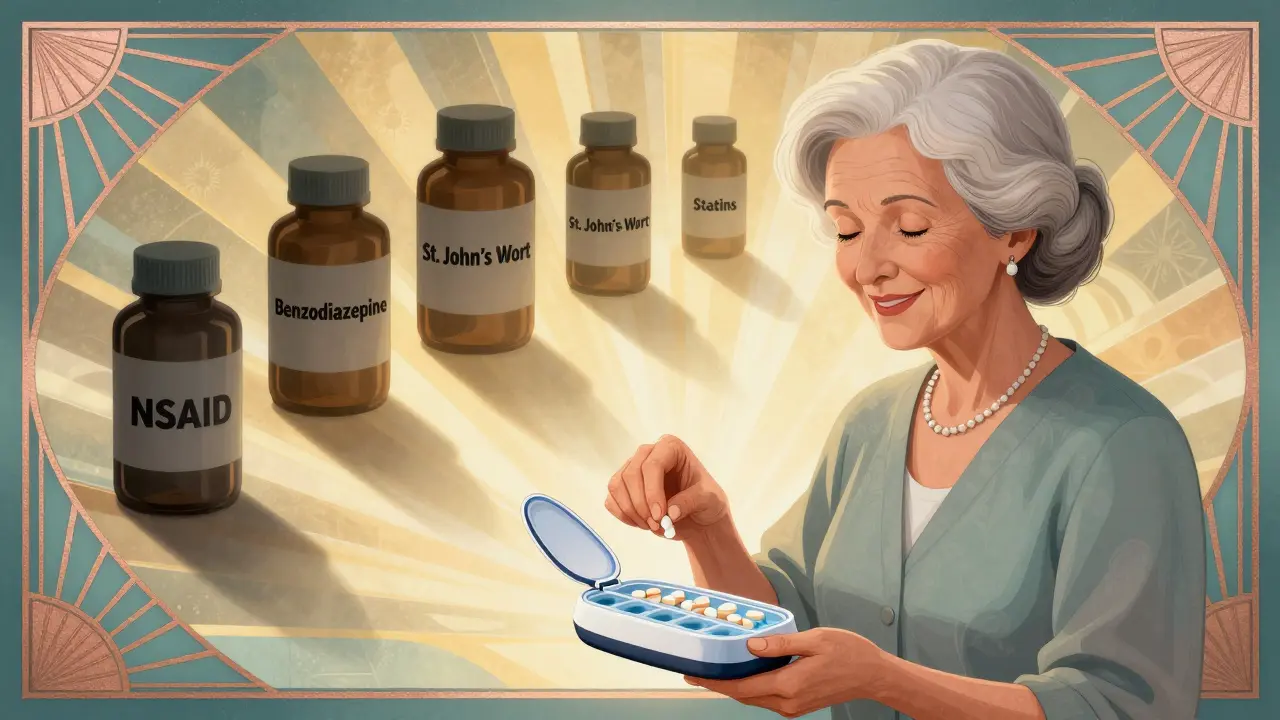
The NO TEARS Framework: A Simple Way to Review Medications
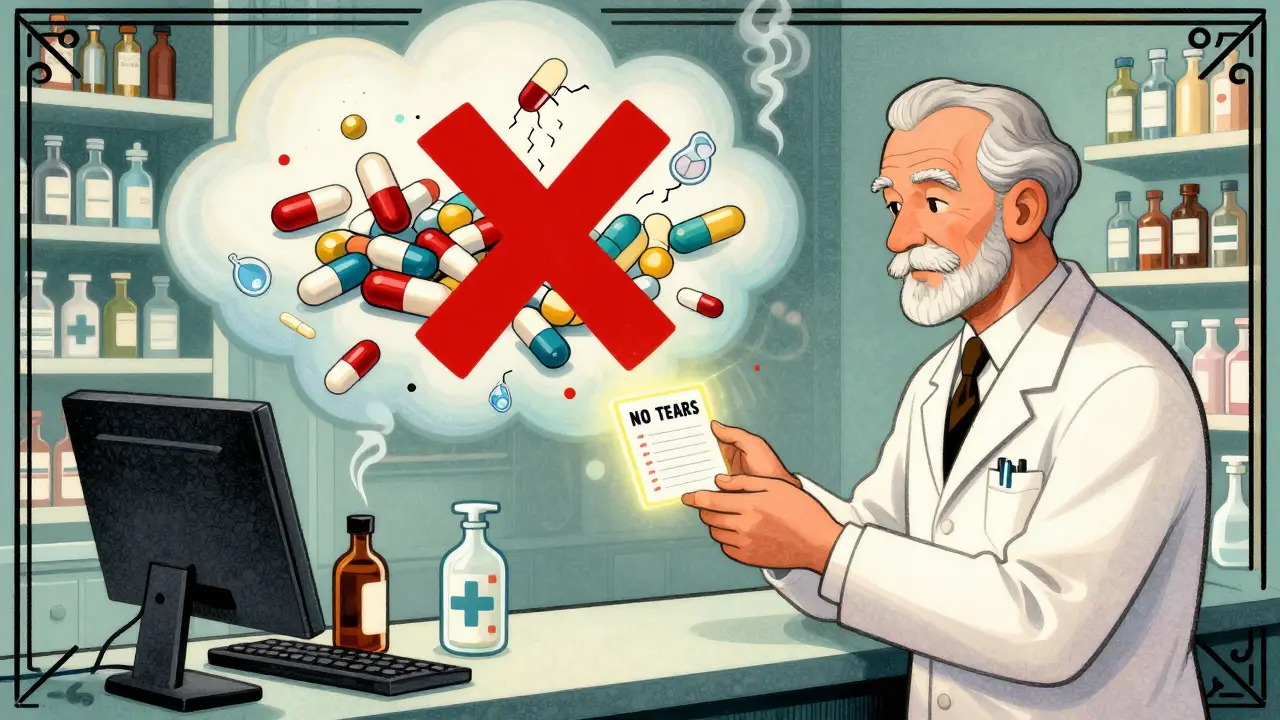
You don’t need a PhD to start reducing risk. The NO TEARS a seven-step framework for medication review: Need, Optimization, Trade-offs, Economics, Administration, Reduction, Self-management method gives patients and families a clear checklist:- Need: Is this drug still necessary? Maybe you were prescribed it for a short-term issue that’s long resolved.
- Optimization: Is the dose right? Many seniors get adult doses, not geriatric ones.
- Trade-offs: Do the benefits outweigh the risks? A painkiller that helps you walk but makes you dizzy isn’t worth it.
- Economics: Can you afford it? Skipping doses because of cost is a hidden interaction.
- Administration: Are you taking it correctly? Pill organizers help, but only if you use them.
- Reduction: Can we stop one? Often, cutting just one drug improves everything.
- Self-management: Do you understand why you’re taking each one? If not, you’re flying blind.
Why Fragmented Care Is a Silent Killer
One doctor prescribes a blood thinner. Another prescribes an NSAID for arthritis. A third prescribes a sleep aid. None of them talk to each other. And you don’t tell them about the turmeric capsules you take daily or the melatonin you started last month. More than two-thirds of seniors see multiple doctors. Nearly 70% use more than one pharmacy. This fragmentation is why 68% of older adults don’t disclose over-the-counter or herbal products to their providers. And why 42% of preventable adverse events happen during care transitions-like going from hospital to home. The fix? Bring a full list-every pill, patch, drop, and supplement-to every appointment. Write it down. Bring the bottles. Don’t assume your doctor knows what’s in your medicine cabinet.What You Can Do Right Now
You don’t have to wait for your next checkup to act. Here’s what works:- Make a complete list of every medication-prescription, OTC, vitamins, herbs. Include dosages and how often you take them.
- Ask your pharmacist to run a drug interaction check. Most pharmacies offer this for free.
- Request a medication review during your next visit. Say: “I’m taking X medications. Can we go through them together to see if any can be stopped or changed?”
- Don’t start two new drugs at once. If you get a new prescription, hold off on adding anything else until you’ve seen how it affects you.
- Use one pharmacy. It helps them spot duplicates or dangerous combos across all your meds.
The Bigger Picture: Why This Isn’t Getting Fixed
Here’s the uncomfortable truth: most clinical trials for new drugs exclude people over 75. Less than 5% of participants in phase 3 trials are seniors-even though older adults take 30% of all prescriptions. So when a drug gets approved, we don’t really know how it behaves in someone with kidney disease, heart failure, and diabetes-all at once. The FDA now recommends including older adults in trials and collecting pharmacokinetic data, but only 18% of new drugs between 2018 and 2022 did this. That means doctors are often guessing. And medical schools? Only 38% of U.S. medical schools have a dedicated geriatric pharmacology course. That’s changing, but slowly.What’s Coming Next
The 2025 update to the Beers Criteria will add more drug-disease interactions and adjust dosing for 15 more medications based on kidney function. AI-powered clinical decision tools are being adopted in nearly half of U.S. hospitals now-up from 22% in 2020. These systems flag risky combinations in real time as doctors type prescriptions. Medicare’s Medication Therapy Management program, which connects seniors with pharmacists for regular reviews, has already cut hospitalizations by 15% among participants. But only 11 million of the 65+ population use it. The message is clear: we have the tools. We know what works. What’s missing is consistent action.Final Thought: It’s Not About Taking Fewer Drugs-It’s About Taking the Right Ones
Reducing medications isn’t about cutting corners. It’s about precision. A senior on seven drugs might be able to safely stop three, improve their energy, reduce dizziness, and save hundreds of dollars a year-all without losing any health benefit. The goal isn’t to be drug-free. It’s to be drug-smart. Every pill you take should earn its place. If it doesn’t, it’s not just unnecessary-it’s dangerous.What are the most common dangerous drug combinations in older adults?
The most dangerous combinations involve drugs that affect the heart or brain. Examples include warfarin with NSAIDs (increased bleeding risk), statins with certain antibiotics (muscle damage), benzodiazepines with opioids (severe sedation), and antidepressants with dextromethorphan (serotonin syndrome). The Beers Criteria and STOPP tools list over 100 such combinations to avoid.
Can over-the-counter medicines cause dangerous interactions?
Yes. Common OTC products like ibuprofen, naproxen, antihistamines (e.g., diphenhydramine), and herbal supplements like St. John’s wort, ginkgo, or garlic can interact badly with prescription drugs. St. John’s wort can reduce the effectiveness of blood thinners and antidepressants. Ibuprofen can increase kidney damage risk when taken with diuretics or ACE inhibitors. Many seniors don’t realize these count as medications.
How often should elderly patients have their medications reviewed?
At least once a year, but more often if they’re taking five or more medications, have a recent hospital stay, or experience new side effects like confusion, falls, or fatigue. Every time a new drug is added, all others should be re-evaluated. The American Academy of Family Physicians recommends at least 15 minutes of focused medication review per visit for patients on five or more drugs.
Is it safe to stop a medication on my own if I think it’s causing problems?
No. Stopping some medications suddenly-like blood pressure pills, antidepressants, or steroids-can cause serious withdrawal effects or rebound symptoms. Always talk to your doctor or pharmacist first. They can help you taper safely or find a better alternative.
Do pharmacists really help with drug interactions?
Yes. Pharmacists are trained to spot interactions that doctors might miss, especially with OTC drugs and supplements. Many offer free medication reviews. If you use one pharmacy for all your prescriptions, they can track everything in one system and alert you to risks before you pick up a new prescription.
What should I bring to a medication review appointment?
Bring all your medications in their original bottles, including prescription drugs, over-the-counter pills, vitamins, supplements, creams, patches, and even eye drops. Also bring a list of your doctors, the reason for each medication, and any side effects you’ve noticed. This gives your provider the full picture.
Layla Anna
December 31, 2025 AT 14:27Also, why do pharmacies never ask if you're taking supplements? They just scan the script like it's a grocery list.
Heather Josey
January 2, 2026 AT 04:43Olukayode Oguntulu
January 3, 2026 AT 16:48And don't get me started on 'medication reviews.' That's just another bureaucratic checkbox for overworked clinicians who haven't had time to breathe since 2018.
jaspreet sandhu
January 4, 2026 AT 01:02Alex Warden
January 5, 2026 AT 07:33LIZETH DE PACHECO
January 5, 2026 AT 21:59But when I asked if we could cut one? They said 'We'll see next visit.' Next visit was 6 months later. I had to print out the Beers Criteria and hand it to them. They didn't even know what STOPP was.
Don't wait for them to fix it. Be the person who shows up with the bottles.
Lee M
January 7, 2026 AT 12:51And now we have AI tools to make it worse. Algorithms don't understand loneliness. They don't know when a pill is skipped because the patient can't afford it. They just flag 'noncompliance.'
Kristen Russell
January 8, 2026 AT 22:04Bryan Anderson
January 9, 2026 AT 05:19Also, pharmacists are the unsung heroes here. We need to integrate them into the care team, not treat them as pill dispensers.
Matthew Hekmatniaz
January 9, 2026 AT 15:52I used to have patients bring me their medicine cabinets. Literally. I’d lay everything out on the table. Sometimes we’d clear out half the bottle. They’d cry because they didn’t realize they’d been feeling awful for years - and it wasn’t 'just getting old.' It was the meds.
Bring the bottles. Write it down. Ask the pharmacist. You’re not being difficult. You’re being smart.
Stephen Gikuma
January 10, 2026 AT 16:47Bobby Collins
January 11, 2026 AT 13:42