How to Save Money with Generics Without Sacrificing Safety
 Dec, 7 2025
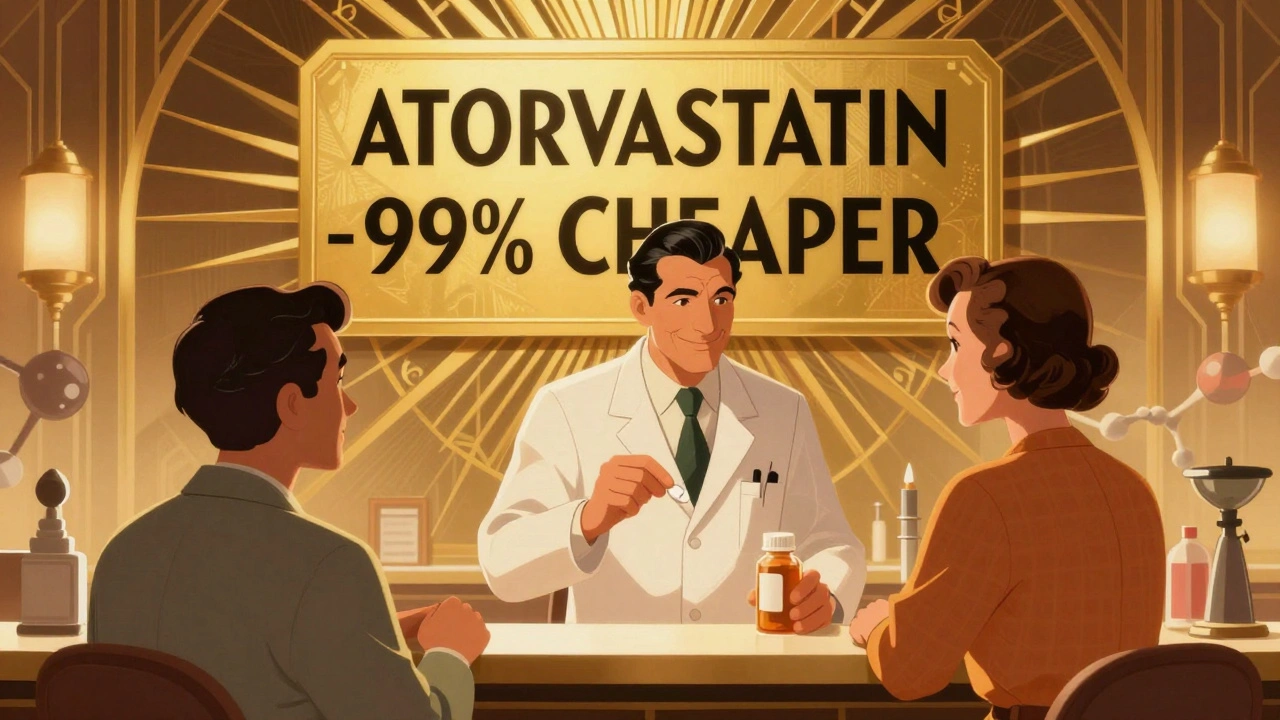
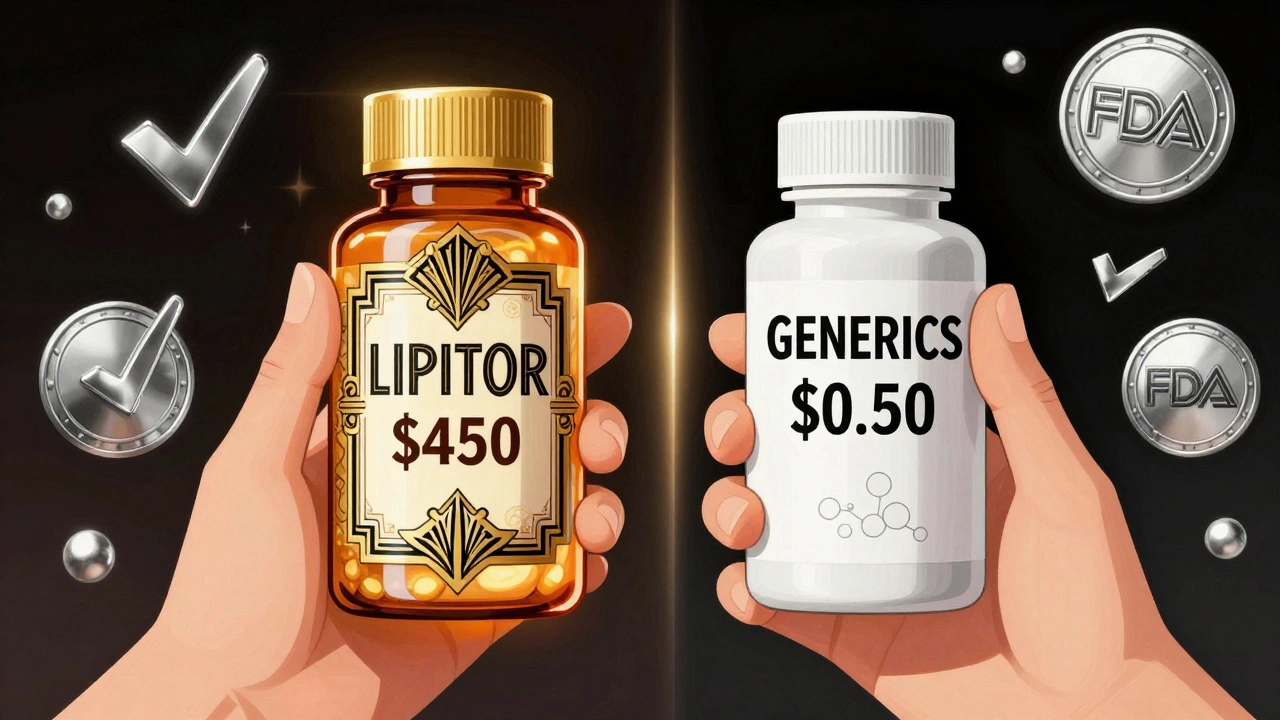
Every month, millions of people in the U.S. and around the world face a simple but stressful choice: pay full price for a brand-name pill, or switch to a cheaper generic version. The price difference isn’t small. A 30-day supply of brand-name Lipitor might cost $450. The generic version? As low as $0.50. That’s not a typo. And yet, many still hesitate. Is the generic just as safe? Will it even work the same? The truth is simpler than the fear suggests - generics are not a compromise. They’re a scientifically proven, FDA-approved alternative that saves money without cutting corners on safety.
What Exactly Is a Generic Drug?
A generic drug is a copy of a brand-name medication that contains the exact same active ingredient, strength, dosage form, and route of administration. That means if you’re taking atorvastatin for cholesterol, the generic version has the same molecule - atorvastatin calcium - as the brand-name Lipitor. The FDA requires this. No exceptions.
The only differences allowed are in the inactive ingredients: things like dyes, fillers, or flavorings. These don’t affect how the drug works in your body. They’re there for appearance, taste, or to help the pill hold together. You might notice a generic pill looks different - maybe it’s white instead of blue, or oval instead of round. That’s normal. It doesn’t mean it’s weaker.
Before a generic can hit the market, the manufacturer must prove bioequivalence. That means in tests with healthy volunteers, the generic must absorb into the bloodstream at the same rate and to the same extent as the brand-name drug. The FDA’s rule? The absorption levels must fall between 80% and 125% of the original. For drugs with a narrow therapeutic index - like warfarin, levothyroxine, or phenytoin - the range is tighter, at 90% to 111%. This isn’t a suggestion. It’s a legal requirement.
Are Generics Really as Safe as Brand-Name Drugs?
Yes. And the data backs it up.
A 2020 study published in Nature Communications looked at 17 cardiovascular drugs and found that generic versions were linked to fewer deaths in 10 of the 17 drugs and fewer major heart events in 11. Another large 2024 study from UC San Francisco tracked over 2.3 million patients and found that when patients stayed on the same generic manufacturer, their risk of heart attacks or strokes was virtually identical to those on brand-name statins. The hazard ratio? 0.98 - meaning no meaningful difference.
The FDA reviews over 12,000 generic applications each year. Every single one must meet the same manufacturing standards as brand-name drugs. The same factories? Sometimes. Many brand-name companies also make generics under different labels. The FDA inspects all of them - over 1,800 facilities a year - whether they’re in the U.S., India, or China. If a facility fails inspection, the FDA blocks the product from being sold.
Some people report feeling different after switching. Maybe they got a headache, or felt more tired. That doesn’t mean the generic is unsafe. It could be a reaction to a new filler, or even a placebo effect. A 2012 study found that 30% of patients reported improvement after switching, 30% saw no change, 10% had side effects, and 30% stopped taking the drug altogether - often because they believed the generic wouldn’t work, not because it didn’t.
When Should You Be Cautious?
Not all drugs are created equal when it comes to switching. For most medications - antibiotics, blood pressure pills, antidepressants - switching between generics and brands is safe and routine.
But there are exceptions. Drugs with a narrow therapeutic index (NTI) are more sensitive. Small changes in blood levels can cause big effects. That’s why doctors often recommend sticking with one manufacturer for drugs like:
- Warfarin (blood thinner)
- Levothyroxine (thyroid hormone)
- Phenytoin (seizure control)
- Cyclosporine (organ transplant)
For levothyroxine, patient reports show 23% of users on generics complain of inconsistent symptoms, compared to just 8% on brand-name Synthroid. That’s not because generics are bad - it’s because thyroid levels are so finely tuned. Even a tiny shift in absorption can throw off your metabolism. If you’re on levothyroxine, ask your pharmacist to keep you on the same generic brand. If you notice new symptoms - weight gain, fatigue, heart palpitations - get your TSH levels checked.
Same goes for epilepsy medications. A study in Neurology found that switching between multiple generic manufacturers increased seizure recurrence by 12%. If you have epilepsy, consistency matters. Don’t let your pharmacy switch your pill without telling you.
How to Save Big Without Risking Your Health
Here’s how to use generics safely and save hundreds - even thousands - a year:
- Ask your pharmacist: When you get your prescription, ask if there’s a generic available. Don’t assume the doctor prescribed the brand. Many doctors write "dispense as written" out of habit, not necessity.
- Check the manufacturer: Use the FDA’s Drugs@FDA database to see which companies make your drug. If multiple manufacturers exist, you have options. Some generics are made by the same company that makes the brand-name version.
- Stick with one brand: Especially for NTI drugs. Once you find a generic that works, ask your pharmacist to keep refilling that same version. Don’t let them swap it out without telling you.
- Compare prices: Use GoodRx or SingleCare. Sometimes the brand-name drug is cheaper than the generic if you use a coupon. This happens with older drugs that have multiple generic makers competing.
- Watch for changes: If your pill looks different - color, shape, imprint - ask why. It could be a new manufacturer. That’s fine… unless you’re on a sensitive drug. Then, call your doctor.
A 2023 University of Michigan study showed that patients who got a 5-minute counseling session from their pharmacist about generics had 32% higher adherence and 27% fewer medication problems. That’s not magic. It’s information.
Why Do People Still Doubt Generics?
There’s a myth that generics are "second-rate." It’s not true. But it’s persistent. Why?
For one, the packaging looks cheaper. No flashy logos. No fancy commercials. It’s just a white pill in a plastic bottle. That makes people suspicious.
Also, some patients have had bad experiences - maybe a switch led to side effects. But those cases are rare, and often tied to switching manufacturers too often, not the generic itself.
The pharmaceutical industry spends billions marketing brand-name drugs. Generics don’t advertise. That’s why you’ve heard of Lipitor, but not atorvastatin. The name matters more than the molecule - and that’s the illusion.

What About Biosimilars? Are They the Same?
Biosimilars are the next wave of generics - but for complex biologic drugs made from living cells, like Humira, Enbrel, or Trulicity. These aren’t exact copies like traditional generics. They’re highly similar, with no clinically meaningful differences in safety or effectiveness.
The FDA has approved 32 biosimilars as of early 2024. They’re expected to save $300 billion by 2030. The same rules apply: same active ingredient, same dosing, same risks. They’re just harder to make - which is why they’re still more expensive than traditional generics. But they’re still far cheaper than the brand.
Bottom Line: Generics Work. And They’re Safe.
Over 90% of all prescriptions filled in the U.S. are for generics. That’s not because people are desperate. It’s because they work. The FDA, the American Heart Association, and independent researchers all agree: for the vast majority of drugs, generics are just as safe and effective as the brand-name versions.
Save money. Ask for the generic. Check the manufacturer. Stay consistent. Talk to your pharmacist. You don’t have to choose between affordability and safety. With generics, you can have both.
Are generic drugs as effective as brand-name drugs?
Yes. Generic drugs must contain the same active ingredient, strength, and dosage form as the brand-name version. The FDA requires them to be bioequivalent, meaning they work the same way in the body. Studies show no meaningful difference in effectiveness for most medications, including blood pressure pills, antibiotics, and antidepressants.
Can switching to a generic cause side effects?
It’s possible, but rare. Side effects usually come from changes in inactive ingredients, not the active drug. Some people report mild issues like headaches or stomach upset after switching - these often go away in a few days. For drugs with a narrow therapeutic index (like warfarin or levothyroxine), switching manufacturers can sometimes cause fluctuations. That’s why it’s best to stick with the same generic brand once you find one that works.
Why do generic pills look different from brand-name ones?
By law, generics can’t look exactly like the brand-name drug because of trademark rules. So they may be a different color, shape, or size. That doesn’t mean they’re different in strength or effectiveness. The active ingredient is identical. If you’re unsure, check the imprint code on the pill using the FDA’s Drugs@FDA database.
Should I avoid generics for heart medications?
No - but be smart. For most heart drugs like statins, beta-blockers, and ACE inhibitors, generics are just as safe and effective. The American Heart Association supports their use. The only exception is for drugs with a narrow therapeutic index, like warfarin. In those cases, stick with one manufacturer and monitor your levels closely.
How much money can I save with generics?
On average, generics cost 80-85% less than brand-name drugs. A 30-day supply of brand-name Lipitor might cost $450, while generic atorvastatin can be as low as $0.50. Many patients save $500 or more per year. In 2023, generics saved the U.S. healthcare system $370 billion.
Can I trust generics made in other countries?
Yes. The FDA inspects all manufacturing facilities - whether they’re in the U.S., India, or China - before approving a generic drug. Over 50% of generic drugs sold in the U.S. are made overseas, and they must meet the same strict standards as U.S.-made drugs. If a facility fails inspection, the FDA blocks the product.
Elliot Barrett
December 8, 2025 AT 12:38Look, I don't care what the FDA says. I switched to generic metformin and woke up feeling like a zombie for a week. My doctor said it was 'probably placebo' but I know my body. I'm not risking my health for 50 cents.
Tejas Bubane
December 9, 2025 AT 21:53Let's be real here. The FDA's bioequivalence range of 80-125% is a joke. That's a 45% swing in systemic exposure. You think that's acceptable for a drug that's supposed to maintain a therapeutic window? The data looks good because they cherry-pick healthy volunteers. Real patients have comorbidities, gut issues, polypharmacy. This is corporate propaganda dressed as science.
And don't get me started on Indian manufacturers. Half the generics in the U.S. come from facilities that get flagged for GMP violations every other year. The FDA inspects 'em? Sure. But they're understaffed, overworked, and the inspections are scheduled weeks in advance. You think they're catching the real issues?
Meanwhile, the brand-name companies are the ones who actually funded the original R&D. Generics just ride the coattails. Save money? Sure. But don't pretend you're not trading quality for pennies.
Ajit Kumar Singh
December 11, 2025 AT 12:14Bro you guys are overthinking this. I take generic lisinopril from India and it works fine. My BP is stable. My wife takes generic levothyroxine and her TSH is perfect. The FDA doesn't lie. The factory in Hyderabad? It's clean. They have machines better than some hospitals in Mumbai. Stop being scared of white pills. The molecule is the same. End of story.
Also why are you paying 450 dollars for Lipitor when you can get atorvastatin for less than a dollar? Are you rich or just dumb?
Maria Elisha
December 11, 2025 AT 13:18I switched to generic omeprazole last year and my acid reflux got worse. I went back to the brand and boom, problem solved. I don't care if it's 'scientifically proven' - my body doesn't care about studies. It cares about what works. I'm not a lab rat.
Angela R. Cartes
December 11, 2025 AT 21:54Ugh. Another generic love letter. 🙄
Let me guess - you also think organic kale is a scam and that Tesla’s autopilot is just as safe as a human driver?
Generics are fine for antibiotics. For anything that affects your brain, heart, or hormones? Nah. I’ll pay the extra $400/year to not end up in the ER because some factory in Bangalore used subpar fillers.
Also, ‘FDA-approved’ doesn’t mean ‘perfect.’ It means ‘good enough to not get sued.’
Andrea Beilstein
December 13, 2025 AT 00:09What does 'safe' even mean? Is it the absence of measurable harm? Or the presence of peace of mind?
Generics are chemically identical. That's a fact. But the psychological weight of switching - the fear, the doubt, the whispering voice that says 'this isn't the real thing' - that's real too. And it affects adherence. It affects outcomes.
Maybe the real issue isn't the pill. It's the system that makes us feel like we're settling. That we're not worthy of the branded version. That our health is a commodity to be optimized, not a sacred trust.
So yes, generics work. But maybe we need to ask why so many of us still feel like we're cheating when we use them.
Lisa Whitesel
December 13, 2025 AT 07:25People who use generics are just lazy. You think you're saving money but you're just gambling with your life. That 0.50 pill could be laced with chalk. Your doctor didn't even check the manufacturer. You're one bad batch away from a stroke. Stop being irresponsible.
Larry Lieberman
December 13, 2025 AT 16:26Just got my generic gabapentin today and it looks different 🤔
Checked Drugs@FDA - same manufacturer as last time, just new batch color. Phew. Still works. Saved me $200 this month 💰
Also - anyone else notice how the pharmacy tries to swap generics without telling you? So sketchy. Always ask. Always check the pill.
Sabrina Thurn
December 15, 2025 AT 02:17For NTI drugs like levothyroxine, consistency is paramount. The pharmacokinetic variability between generic manufacturers can exceed 10% - enough to push TSH levels out of target range in sensitive patients. The 23% symptom complaint rate isn't placebo - it's pharmacological noise.
That said, for the vast majority of prescriptions - statins, SSRIs, antihypertensives - generics are bioequivalent, cost-effective, and clinically indistinguishable. The AHA and JAMA have both endorsed this. The real barrier isn't efficacy - it's inertia, marketing, and physician habituation to 'dispense as written.'
Pharmacists are underutilized assets here. A 5-minute counseling session increases adherence by 32%? That's not just data - it's a public health intervention. We need more of it.