How to Shop Pharmacies for the Best Cash Price on Medications
 Jun, 4 2026
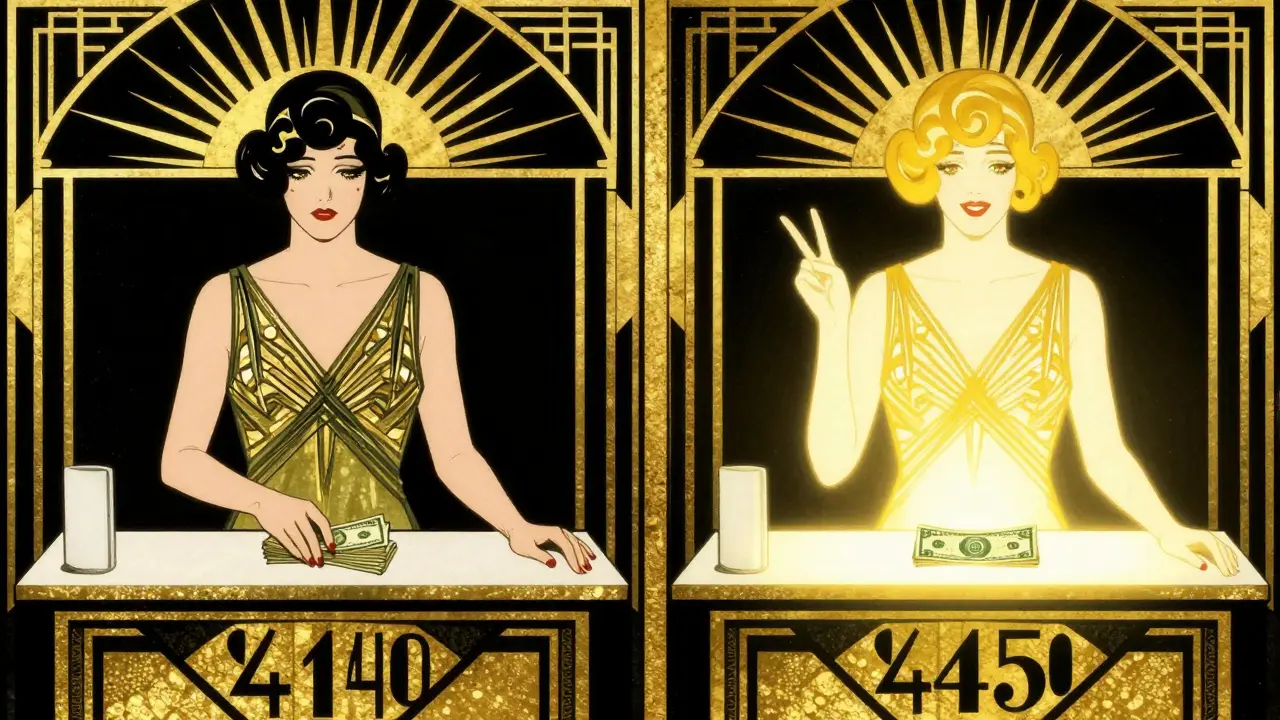
Imagine walking into two different pharmacies in your neighborhood to buy the exact same bottle of blood pressure medication. At one counter, you hand over $140. At the other, just down the street, you pay $4.50. No insurance card was swiped at either register. This isn't a glitch in the system; it is how pharmaceutical pricing works today. If you are paying out-of-pocket for your prescriptions, knowing how to navigate this landscape can save you hundreds, if not thousands, of dollars every year.
Shopping for the best cash price on medications has become a critical skill, especially as more people face high-deductible health plans or find that their insurance coverage leaves them with significant co-pays. The gap between what pharmacies charge and what they could charge is vast, driven by complex manufacturer strategies and lack of transparency. But you have the power to close that gap. By understanding where prices come from and using the right tools, you can stop overpaying for the drugs you need to stay healthy.
Why Prices Vary So Wildly
The first step to saving money is accepting that there is no single "correct" price for a medication. A 2020 NIH-funded study published in PMC (Luo et al., 2021) highlighted extreme disparities in pricing. In Springfield, Massachusetts, for example, the generic drug Atorvastatin ranged from $4.50 to $140 across different pharmacies within the same zip code. Why does this happen?
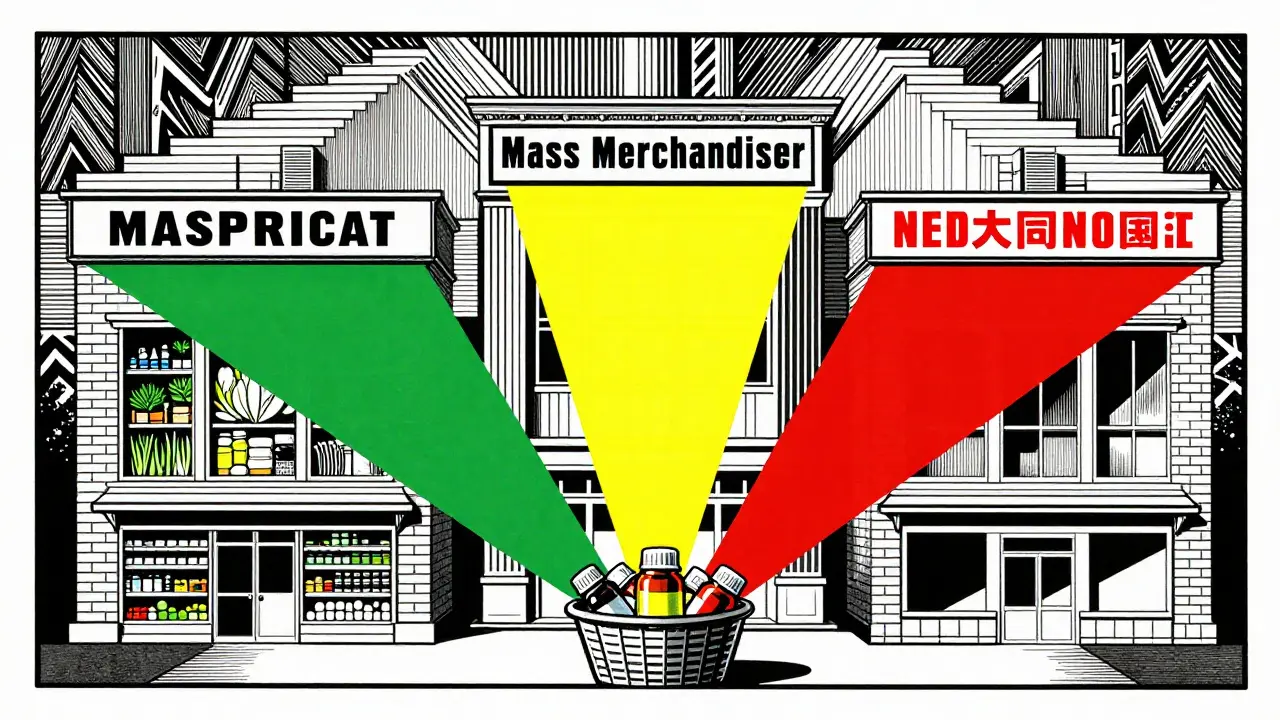
Pharmaceutical manufacturers set prices based on profit-maximizing strategies tied to buyer sensitivity. According to the U.S. Department of Health and Human Services' Office of the Assistant Secretary for Planning and Evaluation (ASPE), manufacturers do not raise prices for some to subsidize discounts for others. Instead, each purchaser pays according to their bargaining position. Large chains and benefit managers negotiate deep rebates, but those savings rarely trickle down to individual cash customers unless you actively seek them out. Independent pharmacies, supermarkets, and mass merchandisers all operate with different margin structures, leading to the wild price swings you see on the shelf.
The Power of Discount Apps and Tools
You don't need to call ten pharmacies to find the lowest rate. Digital tools have revolutionized price transparency. Platforms like GoodRx, founded in 2011, serves over 200 million users annually and aggregates pricing data from more than 70,000 U.S. pharmacies. These apps work by negotiating discounts directly with pharmacies in exchange for customer referrals. In 2023, GoodRx reported that users saved an average of 88% on generic medications and 42% on brand-name drugs compared to undiscounted cash prices.
However, relying on a single app can be risky. To ensure you get the absolute best deal, cross-reference at least three tools:
- GoodRx: The most widely recognized platform, offering extensive coverage and user reviews.
- RxSaver: Often provides competitive rates without requiring account creation, making it quick for one-time purchases.
- WellRX: Another strong alternative that frequently matches or beats major competitors on specific generics.
User experiences back up this strategy. On Reddit’s r/personalfinance, a user documented paying $1.89 for metformin at a local independent pharmacy using a GoodRx coupon, while a national chain charged $15.99 without insurance. Another user found insulin prices ranging from $98 to $345 for the same vial across four pharmacies within a two-mile radius in Chicago. Checking multiple sources ensures you aren't missing a better offer hidden in a smaller database.
Comparing Pharmacy Types: Where to Go
Not all pharmacies are created equal when it comes to cash pricing. The type of store matters significantly. Research indicates distinct patterns in how different retail models price medications.
| Pharmacy Type | Undiscounted Cash Price | Discounted Price (via App) | Gross Margin per Prescription |
|---|---|---|---|
| Supermarket Pharmacies | $64.42 | $28.17 | $4.71 |
| Mass Merchandisers (e.g., Walmart) | $64.42 | $32.50 | $5.84 |
| National Chains (e.g., CVS, Walgreens) | $64.42 | $64.42 | $12.68 |
| Analytical/Specialty Pharmacies | $365.12 | $150.00+ | $15.67 - $16.56 |
As shown above, supermarket pharmacies often offer the lowest discounted prices for generic medications, averaging about half the cost of national chains. Mass merchandisers also tend to keep margins low to drive foot traffic into their stores. National chains, while convenient, often have higher overheads and may not pass savings onto cash customers as aggressively. Independent pharmacies present a mixed bag; while some offer unadvertised discounts to regulars, their listed cash prices can sometimes be higher than big-box stores unless you build a relationship with the pharmacist.

Step-by-Step Guide to Finding the Lowest Price
Finding the best deal doesn't have to be complicated. Follow this systematic approach to minimize costs for every prescription:
- Ask for the Undiscounted Cash Price First: Before presenting any insurance card, ask the pharmacist, "What is the cash price?" Many people are surprised to learn that the cash price, especially with a discount coupon, can be lower than their insurance co-pay. Insurance networks often have negotiated rates that are actually higher than the public cash price for certain generics.
- Use Multiple Comparison Tools: Open GoodRx, RxSaver, and WellRX on your phone. Enter your medication name, dosage, and quantity. Note the top three cheapest locations near you.
- Check for Mail-Order Options: For maintenance medications taken daily, consider mail-order services. Non-profits like RXOutreach.com serve patients with household incomes at or below 300% of the federal poverty level (approximately $45,000 for individuals in 2023), offering substantially reduced rates even if you already have prescription drug coverage.
- Leverage Store-Specific Programs: Some retailers, like Kroger, offer flat-rate programs for generics (e.g., $4/$9 lists). Check if these apply to your specific drugs, as they can sometimes beat app-based coupons.
- Build Relationships with Local Pharmacists: UnityPoint Health reported that 38% of surveyed independent pharmacies offer unadvertised discounts to regular customers. If you fill prescriptions consistently at one location, ask if they have a loyalty program or cash discount for frequent buyers.
This process takes about 10-15 minutes per prescription but can yield savings of 50-90% for common generics, according to Dr. Aaron Kesselheim, Professor of Medicine at Harvard Medical School.
Special Considerations for Medicare Users
If you are on Medicare, the rules change slightly. With the Inflation Reduction Act capping out-of-pocket costs at $2,000 annually starting in 2025, many beneficiaries feel protected. However, experts warn that without active price shopping, you will still overpay by hundreds of dollars before hitting that cap. During open enrollment (October 15-December 7), review your plan options carefully. Utilize your plan's preferred pharmacy network, which can reduce costs by 15-25%. Even with Part D coverage, comparing cash prices via discount apps can reveal scenarios where paying out-of-pocket is cheaper than your deductible or co-insurance.
Common Pitfalls to Avoid
While discount apps are powerful, they aren't perfect. Be aware of these potential issues:
- Price Mismatches: An independent study by Consumer Reports found that 12.7% of users experienced price mismatches where the app quoted one price but the pharmacy charged another. Always confirm the final price with the pharmacist before handing over payment.
- Brand-Name Limitations: Discounts are most effective for generics. For brand-name drugs, savings are often limited. If you are prescribed a brand-name drug, ask your doctor if a therapeutic equivalent or generic alternative exists. Switching to a generic can unlock much deeper discounts.
- Ignoring Quantity: Sometimes buying a larger supply (e.g., 90 days instead of 30) reduces the per-unit cost significantly. Check if the discount applies to bulk quantities.
Future Trends and Long-Term Viability
The landscape of medication pricing is evolving. The FDA’s 2023 Generic Drug User Fee Amendments (GDUFA III) aim to increase the availability of generic drugs, which should expand competition and lower prices further. State-level initiatives, like California’s 2022 Pharmacy Price Gouging Prevention Act, are pushing for greater transparency. Meanwhile, mail-order adoption has grown from 28% to 35% of prescriptions between 2020 and 2023. Despite these changes, the Congressional Budget Office projects that price dispersion will remain significant through at least 2030 due to structural market factors. This means that learning to shop for cash prices is not a temporary fix-it is a long-term financial strategy that will continue to save you money for years to come.
Is it always cheaper to pay cash with a discount coupon than using insurance?
Not always, but often for generic medications. Insurance companies negotiate rates with pharmacies, but these rates can sometimes be higher than the cash price available through discount platforms like GoodRx. It is crucial to check both options. For brand-name drugs, insurance is usually more cost-effective due to higher list prices and limited discount availability.
Can I use a GoodRx coupon if I have Medicare?
Yes, but with restrictions. You cannot combine a GoodRx coupon with Medicare Part D benefits for the same prescription. However, you can choose to pay the cash price using the coupon instead of using your insurance. This might be beneficial if the cash price is lower than your co-pay or if you haven't met your deductible yet. Always consult your pharmacist to ensure compliance with Medicare rules.
Why do prices vary so much between pharmacies for the same drug?
Prices vary due to differences in pharmacy business models, overhead costs, and negotiations with pharmaceutical manufacturers. Supermarkets and mass merchandisers often sell medications at lower margins to attract customers to their stores. National chains and specialty pharmacies may have higher operational costs and different rebate structures with manufacturers, leading to higher cash prices.
Are there risks associated with using mail-order pharmacies for cash prescriptions?
Mail-order pharmacies are generally safe and regulated by the FDA. However, shipping times mean you must order well in advance. Ensure the pharmacy is licensed in your state and accredited by organizations like the National Association of Boards of Pharmacy (NABP). Reputable services like RXOutreach.com provide secure, low-cost options for eligible patients.
How often should I compare prices for my medications?
You should compare prices every time you refill a prescription, especially if you are paying out-of-pocket. Prices can fluctuate monthly based on manufacturer rebates and pharmacy promotions. Setting a reminder to check apps like GoodRx and RxSaver before each refill can help you catch new deals and avoid unnecessary costs.
Henri-Paul Soulodre
June 5, 2026 AT 08:50It is absolutely disgusting that people are forced to play detective just to afford basic survival. The system is rigged by greedy corporations who view human health as a commodity rather than a right. We need systemic change, not just clever hacks to survive the cruelty of capitalism.
Mark Hogan
June 5, 2026 AT 19:48i totally get the anger but honestly just using goodrx saved me like 200 bucks last month on my dad's meds. its not perfect but it helps till things change lol
Alexandre Desbiens
June 6, 2026 AT 03:39The economic principles described here are consistent with price discrimination strategies observed in oligopolistic markets. It is crucial to note that while discount aggregators provide immediate relief, they do not address the underlying structural inefficiencies. Furthermore, one must consider that insurance plans often have negotiated rates that may still be lower than cash prices for brand-name medications, despite the anecdotal evidence presented. Therefore, a comprehensive approach involving both digital tools and traditional insurance utilization is statistically more robust for long-term financial stability.
Jonathan Paul
June 7, 2026 AT 20:01u guys think this is about money? nah its about control. big pharma wants u dependent and confused. stop trusting the apps too they track ur data. wake up sheeple
Roderick Gooden
June 9, 2026 AT 09:32I have been filling prescriptions at the same CVS for over fifteen years and I can tell you with absolute certainty that the pharmacist there knows exactly what I am taking and when I need it, which is far more valuable than any fleeting discount you might find on an app that could potentially be inaccurate or out of date, so while I appreciate the information provided in this article regarding the potential savings associated with shopping around, I believe that the continuity of care and the personal relationship established with a trusted healthcare professional outweighs the marginal financial benefits of switching pharmacies every few months based on algorithmic suggestions that may not account for the specific nuances of individual patient histories and medication interactions.
ANGELA CHINENYE
June 10, 2026 AT 18:07That is a very valid point about continuity of care; however, please remember that cost barriers often prevent patients from maintaining that consistency if they cannot afford the medication. It is always best to check both options carefully.
Lenny Cruz
June 12, 2026 AT 17:00Plebeians will cling to their coupon apps while the elite enjoy concierge medicine services that bypass these absurdities entirely. The average person lacks the intellectual capacity to understand why price transparency is actually a myth perpetuated by the media to keep you docile.
Lisa Thomas
June 13, 2026 AT 18:04omg this is so true i cried when i found out my insulin was $300 at one place and $40 at another :( we need better laws !!