Managing SSRI Sexual Dysfunction: Dose Changes, Switches, and Adjuncts
 Jan, 22 2026
SSRI Sexual Dysfunction Management Calculator
Your Treatment Profile
Sexual side effects from SSRIs aren’t rare-they’re common. If you’re taking an SSRI for depression and notice your libido has dropped, orgasm feels out of reach, or sex just doesn’t feel the same, you’re not alone. Between 35% and 70% of people on these medications experience some form of sexual dysfunction. It’s not a personal failing. It’s a known pharmacological effect. The real issue isn’t the side effect itself-it’s that most doctors never talk about it until the patient brings it up. And by then, many have already stopped taking their medication because the cost to their quality of life felt too high.
Why This Happens
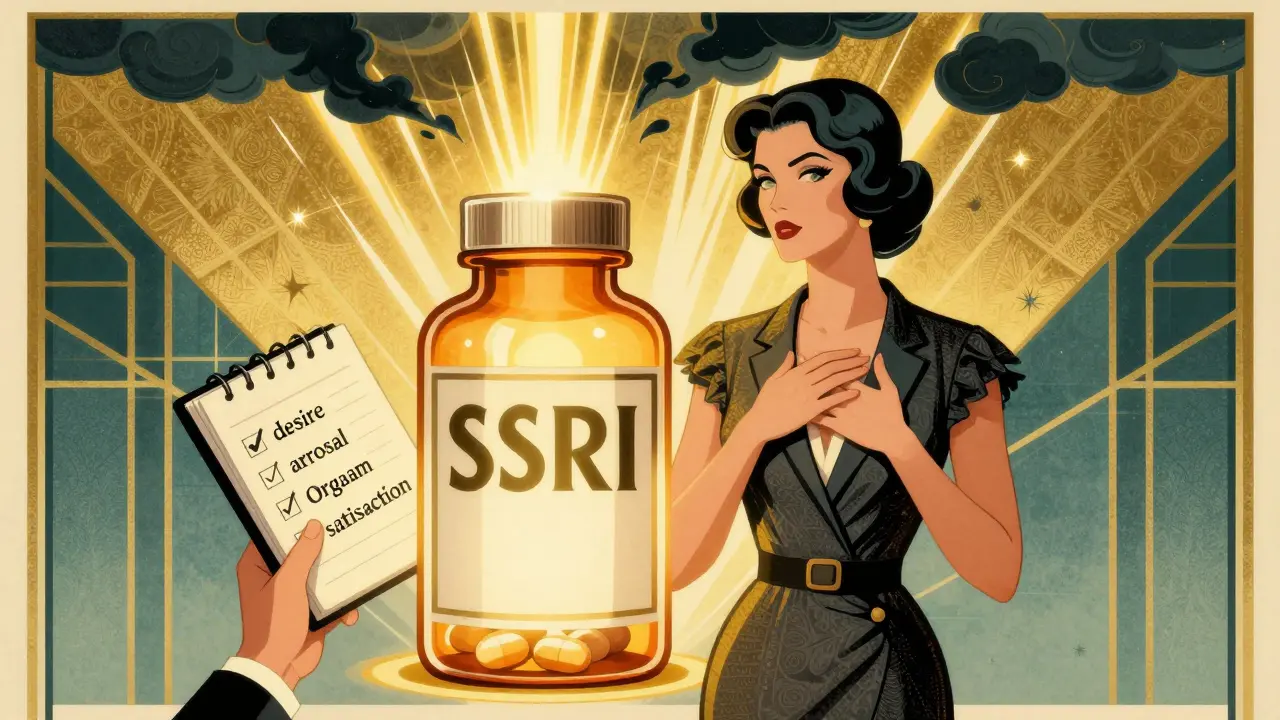
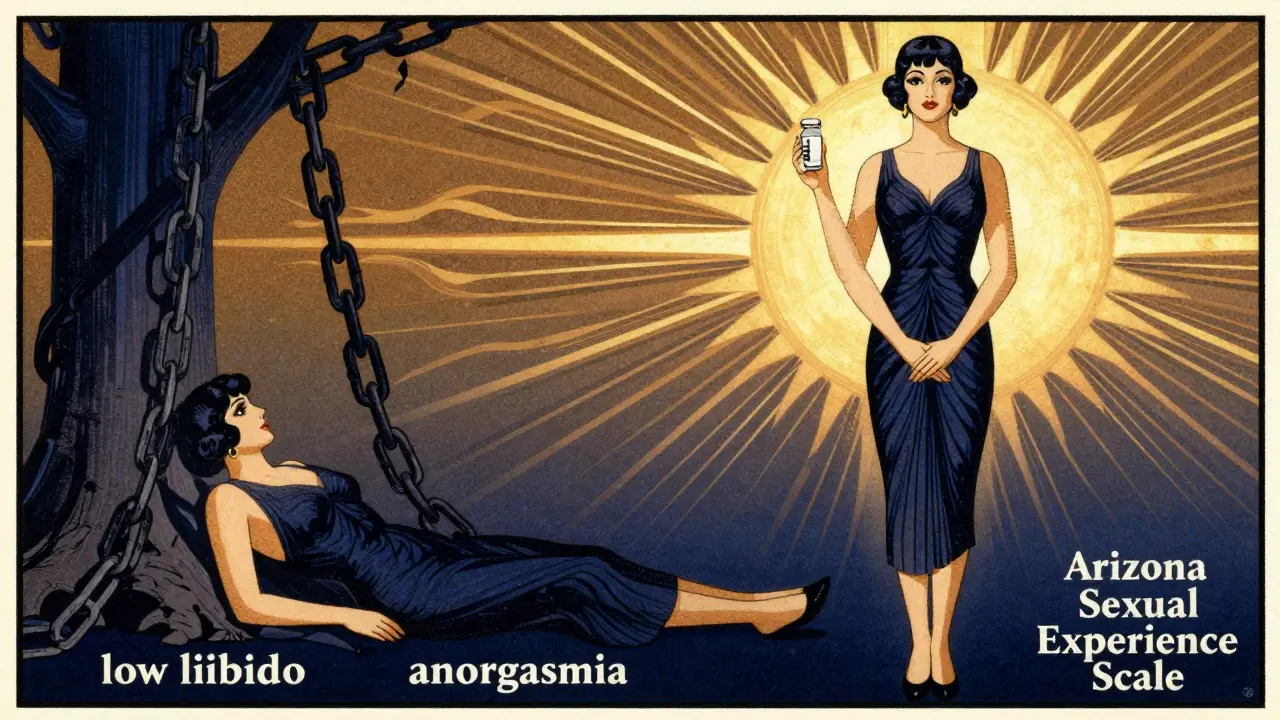
SSRIs work by increasing serotonin in the brain. That helps lift mood. But serotonin also plays a role in sexual response. Too much of it can shut down desire, delay or block orgasm, reduce arousal, and make erections harder to get or maintain. These changes usually show up within the first two to four weeks of starting the drug. The problem? Many people don’t realize it’s the medication. They think it’s stress, aging, or a relationship issue. Meanwhile, depression is still there, and now sex is too.Here’s the twist: about 35% to 50% of people with depression already had sexual problems before starting SSRIs. So it’s not always clear if the issue started with the depression or the drug. That’s why tracking your symptoms before and after starting treatment matters. Use a simple scale like the Arizona Sexual Experience Scale or even just a journal. Note changes in desire, arousal, orgasm, and satisfaction. This gives you and your doctor real data-not guesswork.
Dose Reduction: Less Is Sometimes More
One of the simplest fixes is lowering the dose. For people with mild to moderate depression, cutting the SSRI dose by 25% to 50% often improves sexual function without losing the antidepressant effect. A 2023 study in Consultant360 showed that 40% to 60% of patients saw better sexual outcomes after a controlled reduction. This works best with sertraline, citalopram, and escitalopram. It’s less reliable with fluoxetine because of its long half-life-meaning it sticks around in your system for weeks.Don’t just wing it. Work with your prescriber. Drop the dose gradually over a week or two. Monitor mood and side effects. If depression creeps back, you may need to go back up. But if your mood stays stable and sex improves? That’s a win. Many patients find they can stay on a lower dose long-term. It’s not a cure-all, but it’s a low-risk first step.
Drug Holidays: Timing It Right
A drug holiday means skipping your SSRI for 48 to 72 hours before planned sexual activity. This works well for drugs with short half-lives-sertraline, citalopram, escitalopram, and venlafaxine. After two to three days off, serotonin levels drop enough to let sexual response return. A small 2019 study of 30 patients showed improvement in anorgasmia for those on these meds.But here’s the catch: fluoxetine? Don’t try this. Its half-life is over 14 days. Even if you skip a dose, it’s still flooding your system. You’ll see no benefit. And there’s another risk: discontinuation syndrome. About 15% to 20% of people get dizziness, nausea, anxiety, or brain zaps when they stop abruptly-even for a couple of days. So this strategy only makes sense if you’re on a short-acting SSRI, your depression is stable, and you’re planning ahead.
Some patients try a modified version: take half your dose two days a week, right before sex. But the evidence here is thin. Only small, uncontrolled studies exist. Use with caution.
Switching Antidepressants: The Right Move
If dose changes and holidays don’t help, switching meds is the next step. Not all antidepressants are equal when it comes to sexual side effects. Among SSRIs, paroxetine is the worst offender. Sertraline and fluoxetine are better, but still carry risk.Better options? Bupropion (Wellbutrin). It doesn’t boost serotonin-it boosts dopamine and norepinephrine. That’s why it’s often called the “sex-positive” antidepressant. Studies show 60% to 70% of people who switch from an SSRI to bupropion see major improvement in sexual function. But don’t switch cold turkey. You need to taper the SSRI slowly and start bupropion at 75mg daily, then increase to 75mg twice daily over two to four weeks. If you jump in too fast, you risk anxiety or even seizures.
Other alternatives: mirtazapine and nefazodone. Both block certain serotonin receptors and show 50% to 60% success in reversing sexual dysfunction. But they come with their own trade-offs-drowsiness, weight gain, and in rare cases, liver issues. Nefazodone is rarely used now because of liver safety concerns. Mirtazapine is more common, but if you’re already tired from depression, more sedation might not help.
Adding Medication: Adjuncts That Work
Instead of switching, you can add something on top. This is often the most effective strategy.Bupropion (as an add-on): This is the gold standard. In a double-blind trial of 55 people on SSRIs, adding sustained-release bupropion at 150mg twice daily improved sexual desire and frequency significantly. Daily dosing gave 66% improvement. As-needed use (75mg taken 1-2 hours before sex) helped 38%. The downside? About 20% to 25% of people get more anxiety, especially if they’re on fluoxetine. Start low: 75mg daily. Wait two weeks. Then increase if needed.
Dopaminergic agents: Ropinirole (used for Parkinson’s) and amantadine (an antiviral with dopamine effects) can help. Doses are low: 0.25-1mg of ropinirole daily, or 100mg of amantadine. They work fast-sometimes in 48 hours. But they can cause tremors, dizziness, or anxiety. Discontinuation rates are higher than with bupropion.
Serotonergic modulators: Buspirone (5-15mg daily) is a 5-HT1A partial agonist. It helps 45% to 55% of people. It’s safe, non-sedating, and doesn’t interfere with mood. But it takes 2-3 weeks to work. Cyproheptadine (2-4mg as needed) is a 5-HT2 blocker. It helps about half the people who try it, but causes drowsiness in 35% to 40%. Use it for occasional situations, not daily.
Behavioral Strategies: Beyond Pills
Medication isn’t the only tool. Some of the best results come from combining drugs with behavior.Dr. Levine, cited in Psychiatry Advisor, says most patients under 60 aren’t completely unable to orgasm-they just need more stimulation. Try new positions, more foreplay, or using toys. Focus on pleasure, not performance. Couples who do scheduled “sensate focus” exercises-touching without pressure to have sex-report 50% improvement in satisfaction, even while still on SSRIs.
Also, environmental cues matter. Dr. Petok calls this “stacking the deck.” If you know your partner’s scent, music, or lighting helps you feel turned on, build that into your routine. It’s not magic. It’s neuroscience. Your brain learns what triggers arousal. If SSRIs dampen the signal, you need to amplify the cue.
What About Persistent Sexual Dysfunction?
There’s growing concern about symptoms that linger after stopping SSRIs. The Therapeutic Goods Administration (TGA) warned in June 2023 about cases where sexual dysfunction lasted months-or even years-after discontinuation. Reports range from single doses to over 16 years of use.But here’s the debate: a 2023 systematic review by Tarchi et al. found only six observational studies and two interventional studies strong enough to analyze. They concluded that while persistent cases exist, we still can’t say for sure how common they are or if SSRIs are the direct cause. Other factors-like untreated depression, anxiety, or lifestyle-could play a role.
Still, if you’ve been off SSRIs for six months and still can’t feel desire or reach orgasm, don’t ignore it. See a specialist. There are emerging treatments in trials, like MK-0941 (a 5-HT2C antagonist), which showed 70% improvement in early studies. It’s not available yet, but it’s a sign that research is moving forward.

What Doesn’t Work (And Why)
Don’t waste time on unproven fixes. Sildenafil (Viagra) helps with erections but doesn’t fix low desire or anorgasmia. Tadalafil? Same thing. Testosterone? Only helpful if you’re actually deficient-which is rare in people on SSRIs. Herbal supplements like maca or ginseng? No solid evidence. And never stop your SSRI cold turkey. That can trigger severe withdrawal or relapse.How to Talk to Your Doctor
Only 42% of primary care doctors know the right strategies for managing SSRI sexual dysfunction. That’s why you might need to lead the conversation.Start by saying: “I’ve noticed changes in my sex life since starting this medication. I’m not alone-this is common. I’d like to explore options to fix it without giving up my depression treatment.”
Bring a printed copy of the Arizona Sexual Experience Scale. Ask: “Can we check my sexual function every month for the next three months?” Request a trial of bupropion augmentation or a dose reduction. If your doctor says “it’s just part of the medication,” ask for a referral to a psychiatrist who specializes in sexual side effects.
There are resources out there: the Sexual Health Network has a directory of 1,200+ specialists. SSRI Stories has over 15,000 members sharing real experiences. You’re not the first. You’re not the only one. And you don’t have to live with this.
What’s Next?
New antidepressants like vilazodone and vortioxetine were designed to cause fewer sexual side effects. But they cost $450 a month. Generic sertraline? $10. For most people, cost makes switching to these newer drugs impossible.Meanwhile, the FDA is reviewing whether to require stronger warnings on all SSRI labels. The message is clear: sexual dysfunction isn’t a rare side effect. It’s a major reason people quit treatment. And it’s manageable-if you know how.
Don’t wait for your doctor to bring it up. Don’t assume it’s permanent. Don’t give up on your mental health-or your sex life. There are proven ways forward. Start with dose reduction. Try bupropion. Add behavioral tools. Track your progress. You’ve already survived depression. You can fix this too.
Kat Peterson
January 23, 2026 AT 15:56Husain Atther
January 24, 2026 AT 22:06Helen Leite
January 26, 2026 AT 09:29Don Foster
January 28, 2026 AT 05:11siva lingam
January 29, 2026 AT 18:07Phil Maxwell
January 30, 2026 AT 21:45Luke Davidson
January 31, 2026 AT 00:00Karen Conlin
February 1, 2026 AT 15:02Heather McCubbin
February 2, 2026 AT 11:45Amelia Williams
February 2, 2026 AT 22:26Viola Li
February 4, 2026 AT 08:17Jenna Allison
February 5, 2026 AT 00:40