Medication Safety for Pain Management: Minimizing Opioid Risks in 2026
 Jul, 22 2026
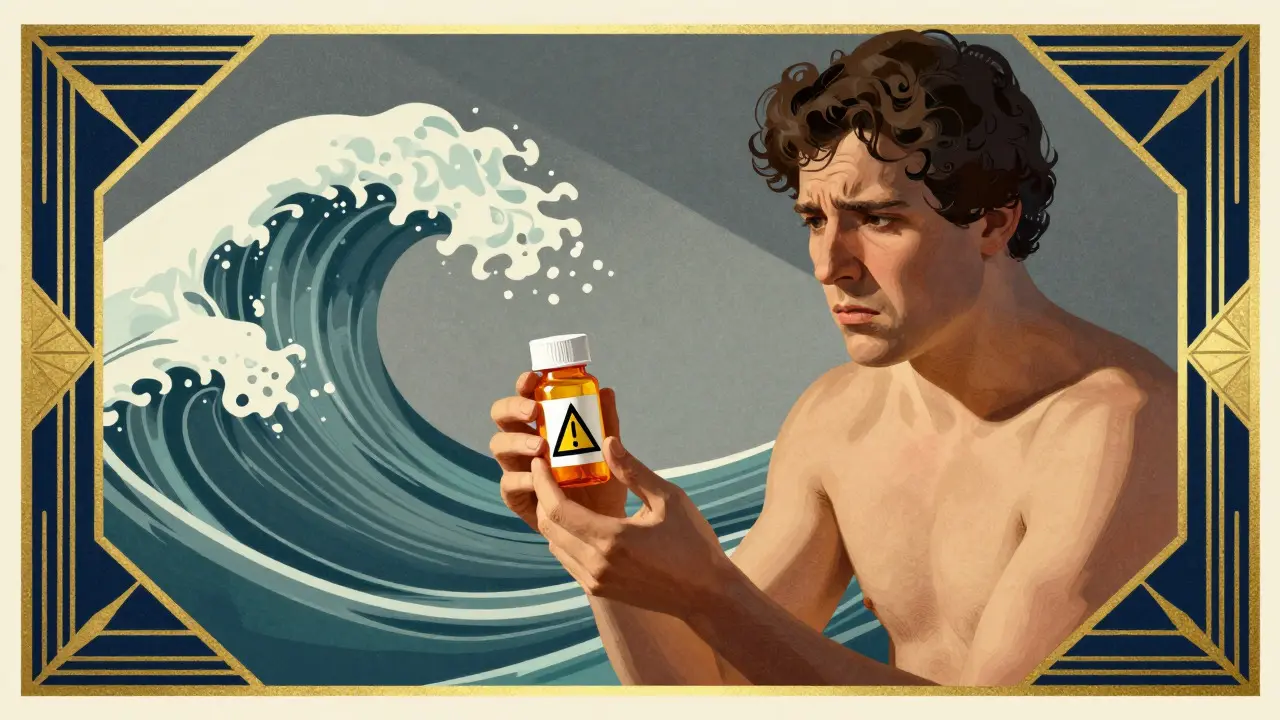
Imagine you’ve just had a tooth pulled or recovered from knee surgery. The pain is sharp, and your doctor hands you a prescription for strong painkillers. It feels like the right thing to do-until you read the label and realize that taking these medications comes with serious warnings about addiction and overdose. You aren’t alone. In fact, over 108,000 Americans died from drug overdoses in the twelve months leading up to mid-2025, with synthetic opioids involved in more than 86% of those cases. This isn’t just a statistic; it’s a crisis that has forced healthcare providers, regulators, and patients to rethink how we manage pain safely.
The landscape of medication safety for pain management is a critical field focused on reducing opioid misuse while ensuring effective treatment for acute and chronic pain conditions. By 2026, the rules have changed significantly. If you are a patient or a caregiver, understanding these new guidelines can literally save lives. Whether you are dealing with post-surgical recovery or long-term arthritis, knowing how to minimize opioid risks is essential. Let’s break down what the latest data from the Centers for Disease Control and Prevention (CDC), the Food and Drug Administration (FDA), and other health authorities mean for you.
Understanding the New Dosage Limits: What Is MME?
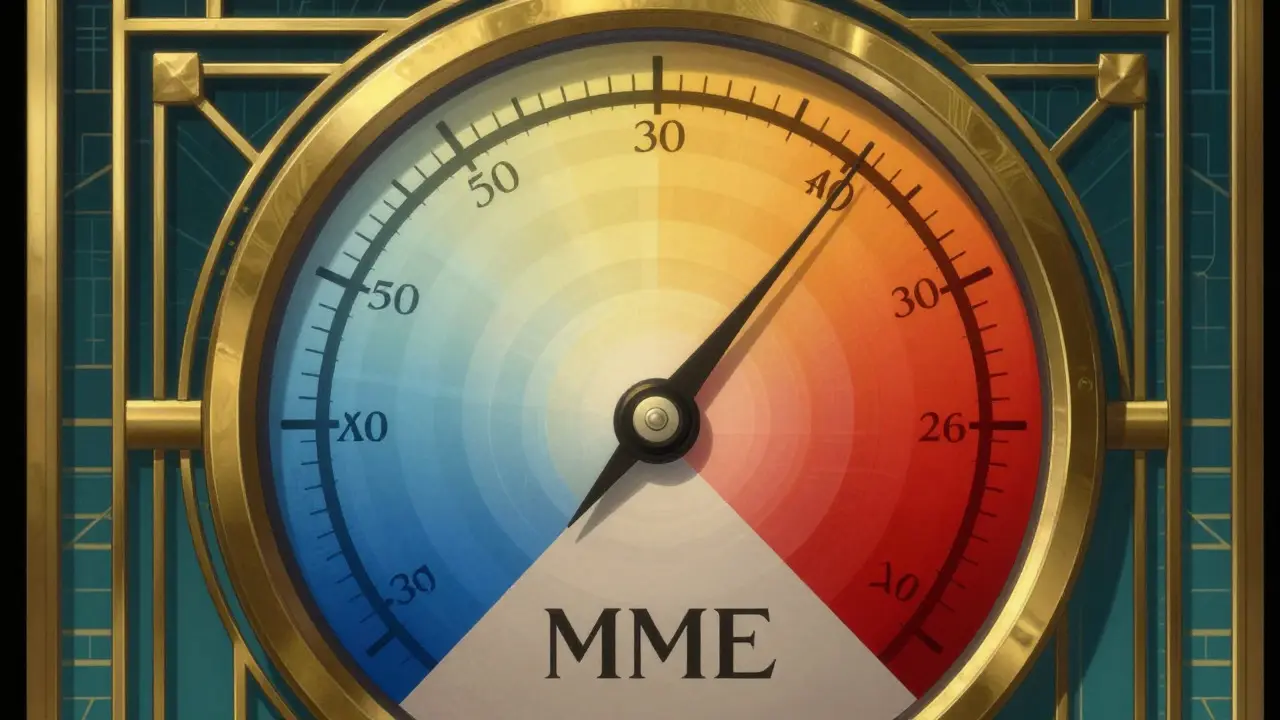
To talk about safety, we first need to understand the language doctors use. You might hear them mention "MME" during your appointment. This stands for Morphine Milligram Equivalents. Think of MME as a universal translator for pain medication. Different opioids have different strengths. One milligram of oxycodone is much stronger than one milligram of hydrocodone. MME converts all these different drugs into a single number so doctors can compare doses accurately.
Why does this number matter? Because risk increases sharply as the dose goes up. According to the CDC’s updated Clinical Practice Guideline released in February 2025, there are specific thresholds that trigger higher levels of caution:
- Below 50 MME/day: Generally considered the safer range for most patients. The risk of overdose is significantly lower here.
- 50-90 MME/day: At this level, the risk of overdose jumps by 2.8 times compared to lower doses. Doctors should closely reassess whether the benefits still outweigh the risks. They may consider tapering the dose or switching to alternative therapies.
- 90+ MME/day: This zone is dangerous. The FDA now mandates clearer labeling because studies show that for every 20 MME increase above 50, the overdose risk rises by 1.7 times. Unless you are receiving palliative care or treating active cancer, doctors should avoid prescribing at this level unless absolutely necessary and well-documented.
This isn’t about denying pain relief. It’s about precision. A study analyzing data from 2022 to 2024 showed that proper implementation of these guidelines could prevent 18-22% of opioid overdoses. That’s tens of thousands of lives potentially saved simply by sticking to evidence-based dosing.
Acute Pain Rules: The Three-Day Standard
If your pain is acute-meaning it’s short-term, like after wisdom teeth extraction or a minor fracture-the rules are even stricter. For years, doctors often prescribed seven-day supplies as a standard practice. But in 2025, the CDC tightened this recommendation. Now, initial opioid prescriptions for acute pain should be capped at a three-day supply.
You might wonder, "What if I’m still hurting after three days?" Extensions up to seven days are permitted only when clinically justified. Why such a short window? Research from the University of Michigan found that each additional day of opioid use beyond three days increases the risk of long-term opioid use by 20%. Most acute pain improves significantly within the first few days. Prolonged use often leads to dependency without providing extra benefit.
This change has already shown results. In states that fully implemented these safety edits, initial prescriptions for dental procedures dropped by 63% compared to 2024 baselines. However, it’s not without challenges. Some primary care physicians report that a small percentage of patients require emergency room visits for uncontrolled pain after their short supply runs out. This highlights the importance of having a backup plan, which brings us to our next point.
Multimodal Pain Management: Beyond Pills
Relying solely on opioids is no longer the gold standard. The current best practice is multimodal pain management. This approach combines several methods to attack pain from different angles, allowing you to use fewer opioids-or none at all.
Here’s what a multimodal strategy might look like for someone recovering from back surgery:
- Non-Opioid Medications: NSAIDs (like ibuprofen) and acetaminophen are growing rapidly in popularity, with market growth rates of 6.1% and 5.8% annually respectively. These drugs reduce inflammation and block pain signals without the high addiction risk of opioids.
- Physical Therapy: Movement helps heal. On-site physical therapy services in medical practices have been linked to 40-50% lower opioid prescribing rates while maintaining equivalent pain control outcomes.
- Cognitive Behavioral Therapy (CBT): Pain affects your mood, and your mood affects your perception of pain. CBT helps patients develop coping strategies, reducing the psychological reliance on medication.
- Interventional Procedures: Nerve blocks or epidurals can target pain sources directly, bypassing the need for systemic medication.
The International Association for the Study of Pain (IASP) emphasizes that opioids should be a last resort, used only after these non-pharmacological and non-opioid options have been optimized. By 2027, analysts project that 65% of acute pain episodes will be managed without opioids, up from 48% in 2025. This shift is driven by better access to these alternatives and stricter regulatory pressures.
Regulatory Changes: How CMS and FDA Protect You
Behind the scenes, major regulatory bodies are enforcing these safety standards. Starting January 1, 2025, the Centers for Medicare & Medicaid Services (CMS) implemented Concurrent Drug Utilization Review (DUR) requirements for Part D sponsors. What does this mean for you? It means your insurance provider now uses automated systems to check your prescription before it’s filled.
These systems include "hard safety edits." If a doctor prescribes an initial opioid fill for acute pain that exceeds the recommended duration, the system may flag or block it. There’s also a care coordination edit based on the 90 MME threshold. If your cumulative daily dose hits that mark, the system alerts the pharmacist and prescriber to review the necessity of the medication.
Additionally, the FDA updated labeling requirements for all opioid pain medications in July 2025. Based on large observational studies (PMR 3033-1 and 3033-2), labels must now clearly state that moderate-to-severe Opioid Use Disorder (OUD) affected 12.7% of patients on long-term therapy. This transparency ensures you know exactly what you’re signing up for.
| Entity/Guideline | Key Recommendation | Target Audience | Implementation Date |
|---|---|---|---|
| CDC Clinical Practice Guideline | Reassess at ≥50 MME; Avoid ≥90 MME; Cap acute pain at 3 days | All outpatients ≥18 years (excluding cancer/palliative) | February 2025 |
| CMS DUR Requirements | Hard safety edits for initial fills; Care coordination at 90 MME | Medicare Part D beneficiaries (48 million people) | January 1, 2025 |
| FDA Labeling Changes | Mandatory disclosure of 12.7% OUD incidence risk | All opioid manufacturers and prescribers | July 31, 2025 |
| VA/DoD OSI Toolkit | Integrated care for co-occurring PTSD/SUD; Quarterly urine screening | Veterans with chronic pain | Ongoing (Updated 2022/2025) |

Practical Steps for Patients and Caregivers
So, how do you navigate this complex system? Here are actionable steps to ensure your safety:
- Ask About MME: Don’t be shy. Ask your doctor, "What is my current MME dose?" Knowing where you stand helps you participate in your own care.
- Review Your PDMP Data: Prescription Drug Monitoring Programs (PDMPs) track controlled substance prescriptions. Studies show checking PDMPs reduces overlapping prescriptions by 37%. Ensure your doctor checks this database before prescribing.
- Plan for Tapering: If you’ve been on opioids for a while, don’t stop abruptly. Rapid tapering can lead to severe withdrawal and even increased suicide risk-a 2024 study showed a 23% increase in suicide attempts among patients whose opioids were cut too quickly. Work with your doctor to create a slow, gradual reduction plan.
- Explore Non-Opioid Options Early: Before starting opioids, ask about physical therapy referrals or nerve blocks. The sooner you integrate these, the less reliant you become on pills.
- Monitor for Red Flags: Watch for signs of Opioid Use Disorder, such as needing higher doses for the same effect, cravings, or neglecting responsibilities. Early intervention saves lives.
The Future of Pain Management
We are standing at a turning point. The NIH has allocated $125 million for its HEAL Initiative cycle for 2026-2027, focusing heavily on developing non-addictive pain therapeutics. Novel treatments, including CBD-based products (which saw 22.3% growth in 2024), are entering the mainstream. Meanwhile, the shortage of pain management specialists remains a challenge, particularly in rural areas where 68% of counties lack dedicated clinics.
Despite these hurdles, the trend is clear: we are moving away from a one-size-fits-all opioid approach toward personalized, multimodal care. For patients, this means more questions, more collaboration with doctors, and ultimately, safer pain relief. As Dr. Vivek Murthy, U.S. Surgeon General, noted in his September 2025 update, balancing prevention with access is "the central challenge of our era in pain management." By staying informed and proactive, you play a vital role in meeting that challenge.
What is the safe limit for opioid dosage?
According to the 2025 CDC guidelines, clinicians should closely reassess benefits and risks when a patient's dosage reaches or exceeds 50 morphine milligram equivalents (MME) per day. Doses reaching or exceeding 90 MME/day should generally be avoided unless absolutely necessary, such as in cancer or palliative care, due to a significantly higher risk of overdose.
How long should an initial opioid prescription last for acute pain?
The current standard, updated in 2025, recommends capping initial opioid prescriptions for acute pain at a three-day supply. Extensions up to seven days are permitted only when clinically justified, as research shows that each additional day beyond three increases the risk of long-term opioid use by 20%.
What is multimodal pain management?
Multimodal pain management is an approach that combines multiple treatments to manage pain effectively while minimizing opioid use. This includes using non-opioid medications like NSAIDs and acetaminophen, along with physical therapy, cognitive behavioral therapy (CBT), and interventional procedures like nerve blocks.
Are there risks associated with stopping opioids suddenly?
Yes, rapid tapering or abrupt discontinuation of opioids can cause serious withdrawal symptoms, uncontrolled pain, and mental health crises. A 2024 study indicated a 23% increase in suicide attempts among patients whose opioids were rapidly tapered. Always work with a healthcare provider to create a gradual tapering plan.
How do new regulations affect Medicare patients?
Starting in 2025, CMS requires Medicare Part D sponsors to implement point-of-sale safety edits. These include hard limits on initial opioid prescription fills for acute pain and care coordination alerts when cumulative doses reach 90 MME per day, helping to prevent accidental overdoses and misuse.
What is the role of PDMPs in medication safety?
Prescription Drug Monitoring Programs (PDMPs) are databases that track controlled substance prescriptions. Checking PDMPs before prescribing reduces overlapping prescriptions by 37%, ensuring that patients aren't accidentally taking multiple conflicting medications from different doctors.
Ed Ostrego
July 23, 2026 AT 05:36Let's get this straight! We need to take charge of our health right now. The three-day limit is a game changer for staying sharp and focused. Don't let the pain control you, you control it. Get moving, get strong, and kick those pills to the curb. Your body wants to heal, so help it out with PT and ice instead of just popping pills.
Patrick Meyer
July 23, 2026 AT 22:12typical american bureaucracy at its finest. they want to starve us of relief while the real criminals walk free. i have chronic back pain and my doc barely gives me enough to last a week now. its a disaster for the working class who actually need to function. rich people still get their meds through the backdoor.
Autumn LW
July 25, 2026 AT 00:26You are clearly uninformed if you think opioids are the only answer. It is pathetic that people whine about 'relief' when they are just addicted to feeling numb. Multimodal therapy exists for a reason. If you cannot handle physical therapy or CBT, perhaps you should examine your own discipline issues before blaming the FDA. This is not a conspiracy, it is basic medical science.
Patrick Meyer
July 25, 2026 AT 10:20oh sure, blame the victim. classic elitist move. try living with nerve damage then lecture me on discipline. you probably never had to work a manual labor job in your life.
Ambarish Pal
July 27, 2026 AT 04:02Absurdity! The entire premise is flawed. Pain is a signal, yes, but suppressing it entirely is unnatural. These guidelines are written by bureaucrats who have never felt a broken bone. They treat patients like statistics, not humans. The MME calculation is a crude tool for complex biology. We are medicating the population into submission under the guise of 'safety'. It is a slow poison disguised as care.
Andrew Donovan
July 27, 2026 AT 15:25One must consider the tapestry of human suffering. To reduce pain to mere numbers is to miss the soul of the matter. However, I find the multimodal approach intriguing. It echoes ancient practices where movement and mind were united. Perhaps we can weave a new path, one that honors the body’s wisdom without shackling it to synthetic chains. Let us embrace the complexity of healing rather than seeking simple fixes.
Crystal Tadlock
July 28, 2026 AT 09:18they are hiding something. the big pharma companies are scared because these new natural remedies work too well. cbd is growing fast because the government cant control it. they want you dependent on their pills so you keep paying them. trust no one. read between the lines. the stats are fake.
Paul Lyons
July 29, 2026 AT 16:31This is an attack on American freedom! Who gave the CDC the right to dictate how many days of medicine a doctor can prescribe? It is socialism creeping into healthcare. We need doctors to make decisions, not some computer algorithm from Washington. Our veterans suffer because of red tape. Shame on the regulators for undermining our sovereignty over our own bodies.
Scott Colter
July 31, 2026 AT 08:01If we view pain as a teacher, perhaps we see the value in limiting the silence it brings. But does the student always learn? Sometimes the lesson is too harsh. The shift to non-opioid methods suggests a collective awakening. We are learning to dance with discomfort rather than fleeing from it. A gentle step towards mindfulness in medicine.
Angie Lara
August 1, 2026 AT 04:46i think its really importent to ask your doctor about mme. i didnt know what it meant until i asked. also pdmps are good for checking if u r taking too much stuff. please be carefull everyone. its scary how easy it is to overdose. hope this helps someone avoid mistakes.
Prashant Shishodia
August 2, 2026 AT 18:26Listen up. You need to be smart. Ask for PT first. Do not wait for pain to get bad. Use ibuprofen. It works. Stop being lazy. Get off your butt and move. That is how you heal. Simple steps. Follow them. Do not complain later.
Deva Vidya
August 3, 2026 AT 14:58I am very hopeful about these changes. It shows progress. We can do better together. Collaboration between patient and doctor is key. Let us support each other. The future looks bright with these new tools. We must stay positive and proactive. Change is hard but necessary for safety.
MiMi Stanley
August 4, 2026 AT 12:57I just noticed the part about suicide risk increasing with rapid tapering. That seems like a huge oversight in public communication. Most people just hear stop taking them. They do not hear do it slowly. I wonder if more info would save lives. Quiet observation but loud concern.
Najmunisa Govender
August 4, 2026 AT 20:04Oh, my goodness!!; Did anyone else read the part about the 23% increase in suicide attempts?!; That is absolutely terrifying!!!; We have to be so careful!!!; Please talk to your doctors!!!; Do not just stop cold turkey!!!; It is dangerous!!!; Stay safe everyone!!!
Tad Cronn
August 6, 2026 AT 07:32Look at the data again. You are ignoring the systemic failure. The insurance companies drive this, not the doctors. They block prescriptions to save money. You think it is about safety? It is about profit margins. Wake up. The system is rigged against you. Check your PDMP records yourself because they might lie to you.