Metoclopramide and Antipsychotics: The Hidden Danger of Neuroleptic Malignant Syndrome
 Jan, 16 2026
NMS Risk Checker
Medication Safety Check
Check if you're at risk of Neuroleptic Malignant Syndrome (NMS) when using metoclopramide with antipsychotic medications.
Risk Assessment
DANGER: HIGH RISK
Combining metoclopramide with antipsychotics significantly increases NMS risk.
Safer Alternatives
Consider these options instead:
- Ondansetron (Zofran) - Serotonin blocker, no dopamine interaction
- Promethazine (Phenergan) - Histamine blocker, no dopamine interaction
- Prochlorperazine (if approved by your doctor)
Do not restart metoclopramide - Previous use increases lifelong NMS risk.
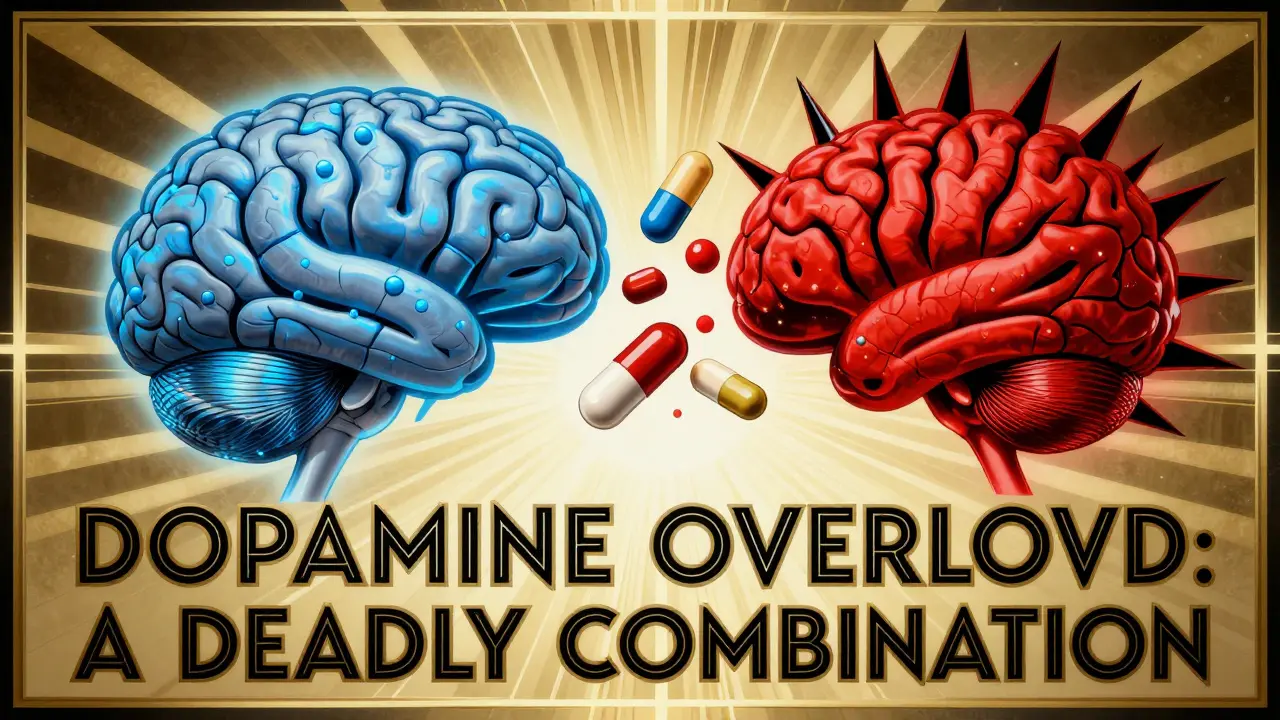
When you’re dealing with nausea from chemotherapy, gastroparesis, or post-op recovery, metoclopramide (Reglan) can feel like a lifesaver. But if you’re also taking an antipsychotic-like risperidone, haloperidol, or olanzapine-there’s a silent, deadly risk you might never hear about: Neuroleptic Malignant Syndrome.
What Exactly Is Neuroleptic Malignant Syndrome?
Neuroleptic Malignant Syndrome, or NMS, isn’t just another side effect. It’s a medical emergency. Think of it as your body’s nervous system going into full meltdown. The classic signs come fast: a fever above 102°F, muscles so stiff you can’t move, confusion or delirium, and a wildly unstable heartbeat or blood pressure. It can kill within days if not treated immediately.NMS was first noticed in the 1950s when doctors started using antipsychotics like chlorpromazine. Back then, it was rare-about 0.02% to 0.05% of patients. But today, we know it’s not just about the antipsychotics. Other drugs that block dopamine in the brain can push someone over the edge. And metoclopramide is one of them.
Why Metoclopramide Is a Silent Trigger
Metoclopramide works by blocking dopamine receptors in your gut to speed up digestion. But it doesn’t stop there. It crosses the blood-brain barrier and blocks dopamine in your brain too. That’s why it can cause tremors, restlessness, or even tardive dyskinesia-the irreversible, uncontrollable facial movements the FDA warns about in its strongest possible label: a Boxed Warning.Now imagine you’re already on an antipsychotic. These drugs were designed to block dopamine in the brain-to calm psychosis. When you add metoclopramide on top, you’re doubling down on dopamine blockade. It’s not just additive. It’s explosive. Your brain’s dopamine system gets overwhelmed. Nerve signals jam. Muscles lock up. Body temperature spikes. That’s NMS.
The FDA’s prescribing information for metoclopramide is blunt: “Avoid Reglan in patients receiving other drugs associated with NMS, including typical and atypical antipsychotics.” That’s not a suggestion. It’s a red alert. And it’s been there since 2017.
It’s Not Just About the Dose
You might think, “I’m only taking 5 mg of metoclopramide three times a day-how dangerous could that be?” But here’s the catch: NMS doesn’t care about low doses. It cares about the combination. Even a short course of metoclopramide-just a few days-can trigger NMS in someone already on antipsychotics.And it’s not just the pharmacology. Your body’s ability to clear metoclopramide matters too. The drug is broken down by an enzyme called CYP2D6. Many antipsychotics, including risperidone and haloperidol, block this same enzyme. So instead of being cleared, metoclopramide builds up in your blood. Higher levels. More brain exposure. More risk.
Some people are even more vulnerable. If you have kidney problems, or you’re a “poor metabolizer” due to your genes, your body can’t process metoclopramide at all. Add an antipsychotic? You’re playing Russian roulette with your nervous system.

What About Other Anti-Nausea Drugs?
Not all anti-nausea meds are created equal. If you’re on an antipsychotic and need something for nausea, there are safer choices.Ondansetron (Zofran) works on serotonin, not dopamine. Promethazine (Phenergan) blocks histamine. Neither touches dopamine pathways. That’s why they’re preferred in psychiatric patients. No increased NMS risk. No dangerous buildup. Just relief.
But metoclopramide? It’s the only common anti-nausea drug that directly competes with antipsychotics on the same target. That’s why doctors in the U.S. and Europe are moving away from it in patients with schizophrenia, bipolar disorder, or other conditions requiring antipsychotics.
Who’s Most at Risk?
It’s not just “people on meds.” Certain groups are sitting ducks:- Patients with Parkinson’s disease-already low in dopamine, metoclopramide can make symptoms worse or trigger NMS-like reactions.
- Older adults-slower metabolism, more sensitive to dopamine blockers.
- People with depression-metoclopramide can worsen depression, and depression often coexists with psychosis.
- Anyone who’s had movement problems before-like tremors or stiffness from an earlier antipsychotic.
And here’s the kicker: if you’ve ever had tardive dyskinesia from metoclopramide, you’re permanently at higher risk for NMS. The FDA says: don’t use it again. Ever.
What Should You Do If You’re on Both?
If you’re taking metoclopramide and an antipsychotic right now-stop. Don’t quit cold turkey. But don’t wait either. Call your doctor or pharmacist today.Ask these questions:
- Is there a safer alternative for my nausea or gastroparesis?
- Have you checked for drug interactions between my psychiatric meds and metoclopramide?
- Have I ever had tremors, stiffness, or unusual movements while on this combo?
If you’re a caregiver or family member, watch for early signs: sudden muscle tightness, fever, confusion, or trouble swallowing. These can show up within hours. Don’t wait for the full NMS picture. Early intervention saves lives.
What Happens If NMS Strikes?
If NMS develops, you need hospitalization-fast. Treatment includes:- Stopping all dopamine-blocking drugs immediately
- Aggressive cooling for fever
- IV fluids to protect kidneys
- Medications like dantrolene or bromocriptine to restore dopamine function
Recovery can take days to weeks. Some people have lasting muscle weakness or cognitive issues. Others don’t survive. There’s no margin for error.
The Bigger Picture
Metoclopramide is still sold over the counter in some countries. In the U.S., it’s prescription-only, but doctors still prescribe it too often. Why? Because it’s cheap. Because it’s been around since 1980. Because many aren’t trained to see the dopamine connection.But the evidence is clear: combining metoclopramide and antipsychotics is one of the most dangerous, under-recognized interactions in modern medicine. The FDA, NCBI, and top pharmacy schools all agree. This isn’t theoretical. It’s happened. People have died.
The solution isn’t more research. It’s action. Stop using metoclopramide in anyone on antipsychotics. Period. Use ondansetron. Use prochlorperazine if needed. But don’t gamble with dopamine.
Your brain doesn’t forgive mistakes. And neither does NMS.
Bobbi-Marie Nova
January 17, 2026 AT 11:39Wow, I had no idea Reglan could do this. My aunt was on it for gastroparesis while on risperidone and ended up in the ICU. They told her it was just a "bad reaction" - turns out it was NMS. I’m sharing this everywhere. Thanks for the heads-up.
Allen Davidson
January 19, 2026 AT 05:43This is exactly why we need better drug interaction alerts in EHRs. I’m a nurse and I’ve seen this combo prescribed three times in the last year. The system doesn’t flag it. Doctors don’t ask. Patients don’t know. We’re failing people. Let’s push for mandatory CDS alerts for dopamine blockers.
john Mccoskey
January 20, 2026 AT 02:01Let’s be brutally honest here - this isn’t a medical oversight, it’s a systemic failure rooted in pharmaceutical inertia. Metoclopramide has been around since the 70s, and the FDA’s boxed warning since 2017, yet it’s still prescribed like it’s Advil. Why? Because Big Pharma doesn’t profit from educating doctors, they profit from volume. The fact that ondansetron is more expensive and requires a prescription means it’s less likely to be pushed. It’s not about safety - it’s about market share. We’ve turned medicine into a commodity and now people are dying because we outsourced critical thinking to algorithms and profit margins. This is capitalism with a stethoscope.
Ryan Hutchison
January 20, 2026 AT 21:33Y’all are overreacting. We’ve been using this combo for decades in the States and we’re still the best in the world at medicine. If you’re dumb enough to mix drugs without reading the label, that’s on you. Stop crying and take responsibility. Also, Canada’s healthcare is a joke - why are you even commenting?
Melodie Lesesne
January 21, 2026 AT 17:51I’m a caregiver for my dad with Parkinson’s. He was on metoclopramide for nausea and started having these weird shoulder twitches. We didn’t connect it until I read this. We switched to Zofran and he’s been stable for months. So grateful this was posted.
PS: I wish more doctors knew this.
Corey Sawchuk
January 23, 2026 AT 07:40My brother got NMS after a 3-day course of Reglan with haloperidol. He was 28. He’s fine now but still has tremors.
Don’t wait for symptoms. Ask your doc before you start it.
Rob Deneke
January 24, 2026 AT 09:28Just had this conversation with my pharmacist last week. He said if you’re on an antipsychotic, never touch Reglan. Said he’s seen too many bad outcomes. He gave me a printed handout. I’m printing this post and handing it to my doctor tomorrow. This stuff needs to be in every ER waiting room.
Chelsea Harton
January 25, 2026 AT 08:57metoclopramide = dopamine assassin. antipsychotics = dopamine snipers. together = brain meltdown. no cap.
Jody Fahrenkrug
January 26, 2026 AT 18:16My mom had tardive dyskinesia from Reglan. They told her it was "just side effects." Now she can’t stop blinking. I wish someone had told us this before. I’m sharing this with every family member on meds. Thank you.