Proteinuria: How to Detect Urine Protein and Stop Kidney Damage Early
 Jun, 20 2026
Your kidneys are hardworking filters. Every day, they clean about 150 liters of blood, removing waste while keeping essential nutrients like protein in your bloodstream. When that filter gets damaged, protein leaks into your urine. This condition is called proteinuria, defined as an abnormally high amount of protein in the urine. It is not a disease itself, but a critical warning sign. Ignoring it can lead to permanent kidney failure. Catching it early, however, gives you the power to slow or even stop the damage.
What Is Proteinuria and Why Does It Matter?
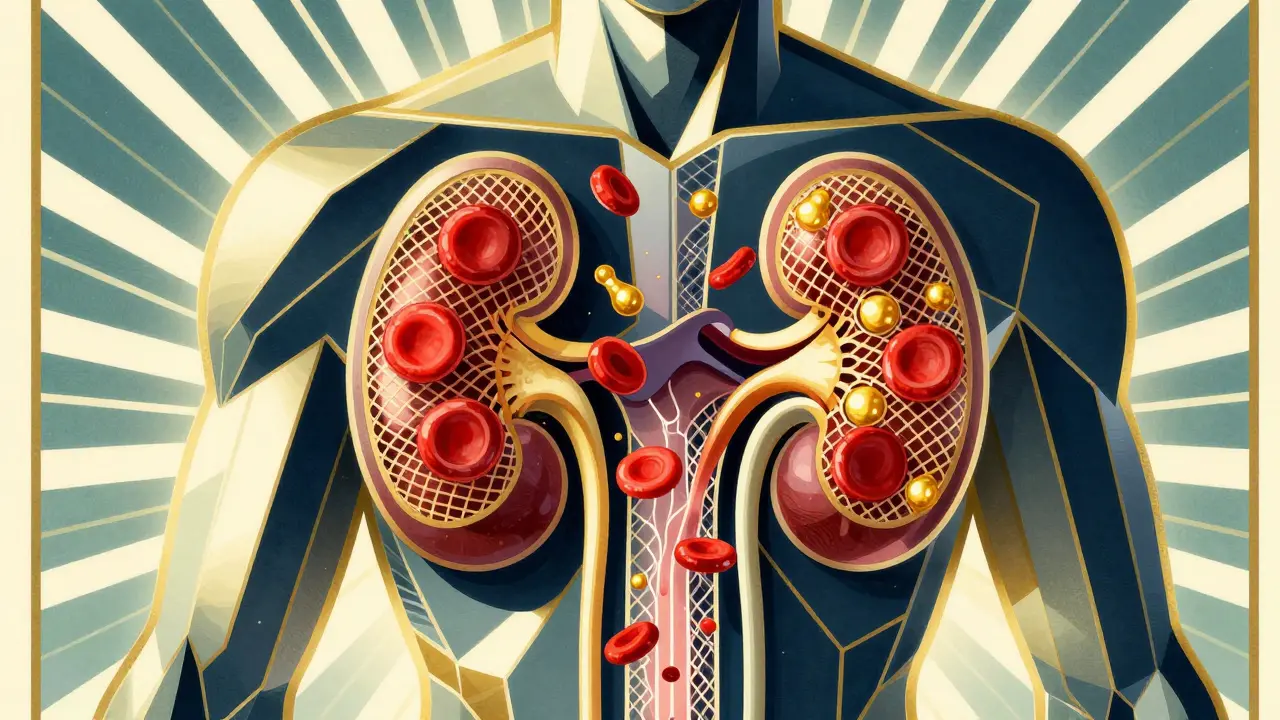
Think of your kidneys as a fine mesh sieve. Healthy sieves let water and small waste particles pass through but catch larger molecules like albumin, the main protein in your blood. Albumin keeps fluid from leaking out of your blood vessels and helps build muscle and bone. When the kidney’s filtering units (glomeruli) become inflamed or scarred, the holes in the sieve get bigger. Albumin slips through and ends up in your toilet bowl instead of staying where it belongs.
This leakage is dangerous for two reasons. First, losing protein weakens your body’s ability to repair tissues and regulate fluids. Second, the presence of protein in the kidney tubules is toxic to the kidney cells themselves. It accelerates scarring (fibrosis), creating a vicious cycle: more damage leads to more leakage, which leads to more damage. According to data from the Global Burden of Disease Study, proteinuria affects roughly 6.7% of adults worldwide. For those with diabetes or high blood pressure, the risk is significantly higher.
Silent Signs: How to Spot Protein in Your Urine
The tricky part about early proteinuria is that it often has no symptoms at all. You might feel perfectly fine while your kidneys are silently struggling. As the condition worsens, however, physical signs start to appear. The most common clue is foamy or bubbly urine. If you flush and the bubbles persist like beer foam, that is a red flag. Normal urine creates some bubbles, but they disappear quickly. Persistent foam suggests high protein concentration.
Another major sign is swelling, known medically as edema. Because albumin helps hold fluid in your blood vessels, low levels cause fluid to leak into surrounding tissues. You might notice puffy eyes in the morning, swollen ankles after standing, or rings leaving indentations on your socks. Other less obvious symptoms include fatigue, frequent urination, and nighttime muscle cramps. If you see these signs, do not wait. Schedule a visit with your doctor immediately.

Diagnosis: From Dipsticks to Lab Tests
Doctors use a step-by-step approach to confirm proteinuria. The first line of defense is the urine dipstick test. It is quick, cheap, and widely available. A strip changes color based on the protein level. However, dipsticks have limitations. They can miss mild cases (sensitivity around 50-90%) and may give false positives if your urine is very concentrated or alkaline. A positive dipstick is a starting point, not a final diagnosis.
To get accurate numbers, doctors order quantitative tests. The gold standard used to be the 24-hour urine collection, where you collect every drop of urine for a full day. While precise, it is cumbersome and prone to error if you miss a void. Today, the preferred method is the spot urine protein-to-creatinine ratio (UPCR) or urine albumin-to-creatinine ratio (UACR). These tests compare the amount of protein to creatinine (a waste product from muscle metabolism) in a single sample. This ratio corrects for urine concentration, giving a reliable snapshot of your kidney health without the hassle of a 24-hour collection.
| Test Result (UACR) | Classification | Clinical Meaning |
|---|---|---|
| < 30 mg/g | Normal | Kidneys are filtering properly; minimal protein loss. |
| 30 - 300 mg/g | Moderate Proteinuria | Early kidney damage; increased risk of progression. |
| > 300 mg/g | Severe Proteinuria | Significant kidney injury; requires immediate treatment. |
Note that guidelines vary slightly. In the UK, NICE guidelines often use mg/mmol, where a UPCR above 50 mg/mmol triggers further evaluation. Always discuss your specific numbers with your healthcare provider, as context matters.
Why Is Protein Leaking? Common Causes
Not all proteinuria is created equal. Some causes are temporary and harmless, while others signal serious underlying disease. Understanding the source is key to effective treatment.
Transient Proteinuria: About 25% of healthy adults experience temporary protein leakage. Triggers include intense exercise, dehydration, fever, extreme stress, or exposure to cold. Once the trigger resolves, protein levels return to normal. No treatment is needed other than addressing the root cause (like drinking more water).
Orthostatic Proteinuria: This is common in teenagers and young adults. Protein appears in urine only when upright during the day but disappears in the first morning void. It is benign in 95% of cases and usually resolves by age 30.
Persistent Proteinuria: This indicates structural kidney damage. The leading culprits are:
- Diabetic Nephropathy: High blood sugar damages kidney blood vessels over time. It accounts for 40% of chronic proteinuria cases.
- Hypertension: Uncontrolled high blood pressure strains the glomeruli, causing them to leak. This contributes to 25% of cases.
- Glomerulonephritis: Inflammation of the kidney filters, often due to autoimmune disorders like lupus.
- Preeclampsia: A pregnancy complication characterized by high blood pressure and proteinuria, requiring urgent medical care.

Treatment Strategies to Protect Your Kidneys
The goal of treatment is twofold: reduce the amount of protein leaking and treat the underlying cause. Research shows that reducing proteinuria directly slows the progression of chronic kidney disease (CKD). Every 50% reduction in protein excretion lowers the risk of reaching end-stage renal disease by 30%. Here is how doctors achieve this.
Medication: The Power of ACE Inhibitors and ARBs
If you have proteinuria, especially from diabetes or hypertension, your doctor will likely prescribe an ACE inhibitor (like lisinopril) or an ARB (like losartan). Originally designed to lower blood pressure, these drugs have a unique benefit for kidneys: they dilate the efferent arterioles (the exit vessels of the glomerulus), reducing pressure inside the filtering units. This mechanical change reduces protein leakage by 30-50%. Studies show they can slow CKD progression by 20-30% when started early.
New Frontiers: SGLT2 Inhibitors and Finerenone
Recent advancements have revolutionized kidney care. SGLT2 inhibitors, originally diabetes drugs, have proven highly effective for kidney protection regardless of diabetes status. Drugs like canagliflozin and dapagliflozin reduce proteinuria by 30-40% and slow the decline of kidney function (eGFR) by 30%. Another newer class, non-steroidal mineralocorticoid receptor antagonists like finerenone, targets inflammation and fibrosis directly, reducing proteinuria by 32% in clinical trials.
Lifestyle Changes That Work
Medication alone is not enough. Your daily habits play a massive role.
- Blood Pressure Control: Keep your BP below 130/80 mmHg. Even small reductions decrease protein excretion by 20-40%.
- Dietary Protein Restriction: Contrary to popular belief, eating too much protein stresses the kidneys. Aim for 0.6-0.8 grams of protein per kilogram of body weight per day. Consult a renal dietitian to ensure you still get enough nutrition.
- Low-Sodium Diet: Salt raises blood pressure and increases protein leakage. Limit sodium to less than 2,300 mg per day.
- Weight Management: Obesity puts extra strain on the kidneys. Losing even 5-10% of body weight can improve kidney outcomes.
Monitoring and Next Steps
Once diagnosed, consistency is key. Do not assume one good test means you are cured. Kidney damage is progressive. Follow your doctor’s monitoring schedule: typically every 3-6 months for stable cases, or monthly when starting new medications. Track your own symptoms. Take photos of foamy urine if it recurs. Note any new swelling. This self-monitoring improves detection of deterioration by 25%.
If your proteinuria persists despite treatment, ask about advanced diagnostics. Electrophoresis can identify specific protein types, helping rule out conditions like multiple myeloma. Emerging technologies, including smartphone-based urine analysis apps, are becoming more accurate, offering potential for home monitoring in the near future.
Is foamy urine always a sign of kidney disease?
No. Foamy urine can result from fast urination, dehydration, or cleaning products in the toilet. However, if the foam is persistent, looks like beaten egg whites, and occurs repeatedly, it is a strong indicator of proteinuria and should be tested by a doctor.
Can proteinuria be reversed completely?
If the cause is transient (like fever or exercise), yes, it resolves on its own. For chronic causes like diabetic nephropathy, complete reversal is rare because scarring is permanent. However, treatment can significantly reduce protein levels and halt further damage, preserving remaining kidney function for decades.
How much protein should I eat if I have proteinuria?
Most guidelines recommend restricting protein intake to 0.6-0.8 grams per kilogram of body weight per day. High-protein diets increase the workload on kidneys. Always work with a renal dietitian to avoid malnutrition while protecting your kidneys.
What is the difference between UACR and UPCR?
Both are ratios measured in a spot urine sample. UACR measures specifically albumin, the most common protein lost in early kidney disease. UPCR measures total protein. UACR is generally preferred for early detection and monitoring of diabetic and hypertensive kidney disease, while UPCR may be used if other proteins are suspected.
Are ACE inhibitors safe for everyone with proteinuria?
They are highly effective but not suitable for everyone. They can cause a dry cough in up to 20% of patients and may raise potassium levels. Pregnant women should avoid them due to risks to fetal development. Doctors monitor kidney function and electrolytes closely when starting these medications.