QD vs. QID: Why Prescription Abbreviations Are Dangerous and How to Prevent Errors
 Jul, 8 2026
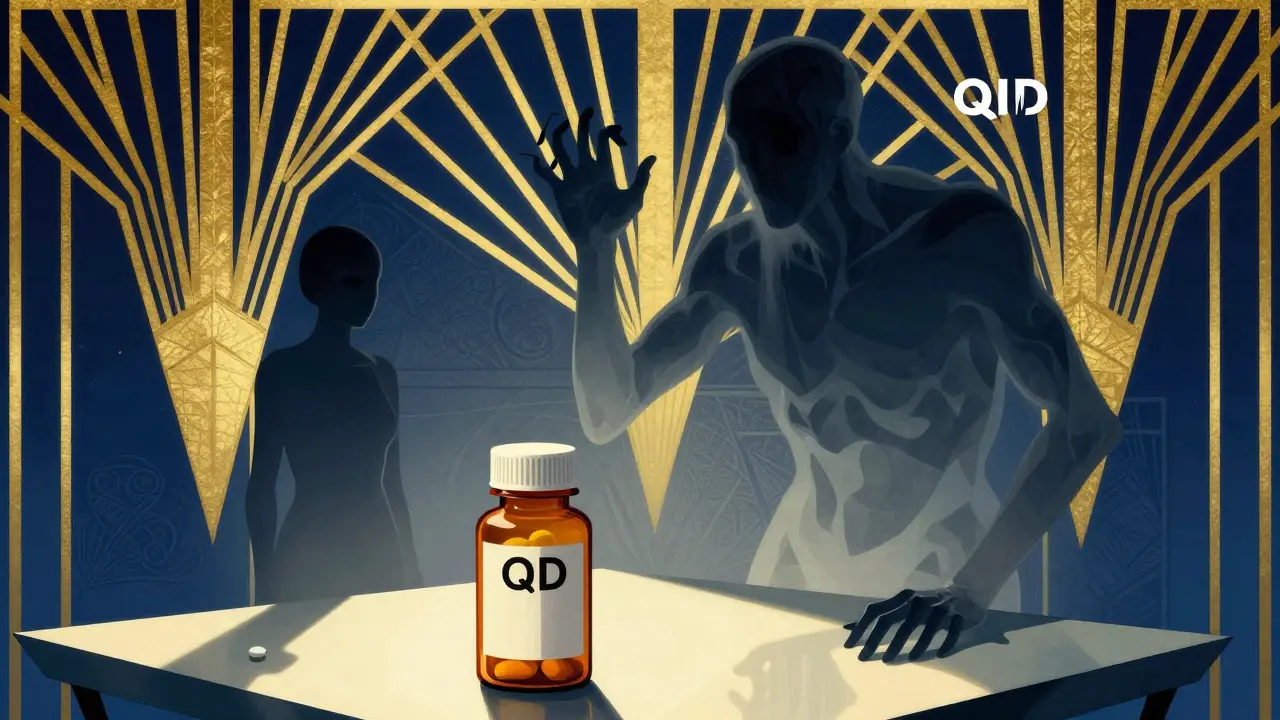
Imagine being told to take a powerful sedative once a day. You follow the instructions on your bottle, but somewhere along the line, a simple two-letter code was misread. Instead of one dose, you take four. By the end of the week, you are driving with excessive drowsiness, unable to function safely at work or home. This is not a hypothetical scenario; it is a documented reality for thousands of patients every year.
The confusion between QD (once daily) and QID (four times daily) is one of the most persistent and dangerous pitfalls in modern healthcare. These Latin abbreviations, remnants of a pre-digital era, continue to cause severe medication errors despite decades of warnings from safety organizations. Understanding why this happens, who is most at risk, and how you can protect yourself is critical for anyone managing prescriptions.
The Root of the Confusion: Latin Legacy
To understand the error, we have to look at where these codes come from. Medical professionals have used Latin abbreviations for centuries to save time when writing prescriptions. QD stands for quaque die, meaning 'once each day'. On the other hand, QID comes from quater in die, meaning 'four times a day'.
On paper, they look similar. In handwriting, they become nearly indistinguishable. A quick scribble of "q.d." can easily be mistaken for "q.i.d." if the dot after the 'd' is missed or if the ink blots slightly. The difference is massive: taking a medication four times instead of once results in a 400% overdose. For drugs with narrow therapeutic windows-like blood thinners or sedatives-this mistake can be fatal.
This isn't just a minor inconvenience. The Institute for Safe Medication Practices (ISMP identified these abbreviations as high-risk back in 2001) flagged them early on. The Joint Commission added them to their official "Do Not Use" list in 2004. Yet, the habit persists. According to the American Medical Association, about 30% of handwritten prescriptions still use these ambiguous terms, even as electronic systems try to phase them out.
Real-World Consequences of Misreading Prescriptions
Why does this matter to you? Because the consequences are physical, financial, and sometimes life-threatening. Let’s look at what actually happens when these errors slip through.
- Sedation and Accidents: In one case reported by Pharmacy Times, a construction inspector took a sedative four times daily instead of once. He drove his car with his seven-year-old daughter inside for an entire week while experiencing excessive drowsiness. He only discovered the error when he went to refill the prescription.
- Bleeding Risks: Warfarin is a common blood thinner. Taking it too often raises your INR (a measure of how long it takes your blood to clot) to dangerous levels. A nurse shared a story on Reddit where a patient’s INR hit 12.3 due to QD/QID confusion, requiring immediate hospitalization to prevent internal bleeding.
- Hypotension: Blood pressure medications taken four times instead of once can cause your blood pressure to drop critically low. One nurse practitioner reported a patient whose blood pressure fell to 80/50, leading to fainting and falls, simply because a pharmacy misread a doctor's handwriting.
The U.S. Food and Drug Administration (FDA) reports that abbreviation-related errors account for roughly 5% of all medication errors. The World Health Organization estimates that prescription abbreviation errors contribute to 6.5% of all preventable adverse drug events globally. These aren't just statistics; they represent real people suffering harm due to poor communication.

Who Is Most at Risk?
While anyone can fall victim to a dispensing error, certain groups face higher risks. Understanding your vulnerability helps you stay vigilant.
| Risk Group | Why They Are Vulnerable | Statistical Insight |
|---|---|---|
| Elderly Patients (65+) | Manage multiple medications (polypharmacy); vision issues make reading small labels harder. | Account for 68% of documented QD/QID confusion cases (American Geriatrics Society). |
| New Healthcare Workers | Less experience recognizing sloppy handwriting or unusual dosing patterns. | Error rates jump to 18.2% for professionals with less than 5 years of experience (UCSF, 2020). |
| Polypharmacy Patients | Taking many drugs increases cognitive load; easy to mix up instructions across different bottles. | Complex regimens correlate with higher confusion rates in national surveys. |
| Patients with Handwritten Scripts | Lack of standardized font makes interpretation subjective. | 31% of community pharmacies still encounter handwritten scripts using dangerous abbreviations. |
If you are over 65, you are statistically the most likely to be affected. The American Geriatrics Society notes that older adults manage complex medication schedules, making a single misread instruction catastrophic. Similarly, if your doctor still writes prescriptions by hand, you are relying on human legibility rather than digital precision.
How Electronic Systems Fail (And Succeed)
You might think that switching to electronic health records (EHRs) solved this problem. It helped, but it didn’t fix it completely. As of 2022, 87% of EHR systems include built-in checks to prevent QD/QID confusion, up from just 42% in 2015. Major vendors like Epic and Cerner now implement "hard stops" that prevent doctors from saving prescriptions containing these abbreviations.
However, gaps remain. A 2021 analysis by the Agency for Healthcare Research and Quality (AHRQ) found residual error rates of 3.8% in EHR systems where providers manually override standard dosing frequencies. Doctors sometimes bypass alerts if they are frustrated by system pop-ups, re-introducing the risk. Additionally, independent practitioners who do not use integrated EHR systems still send handwritten faxes or scripts, keeping the old habits alive in community pharmacies.
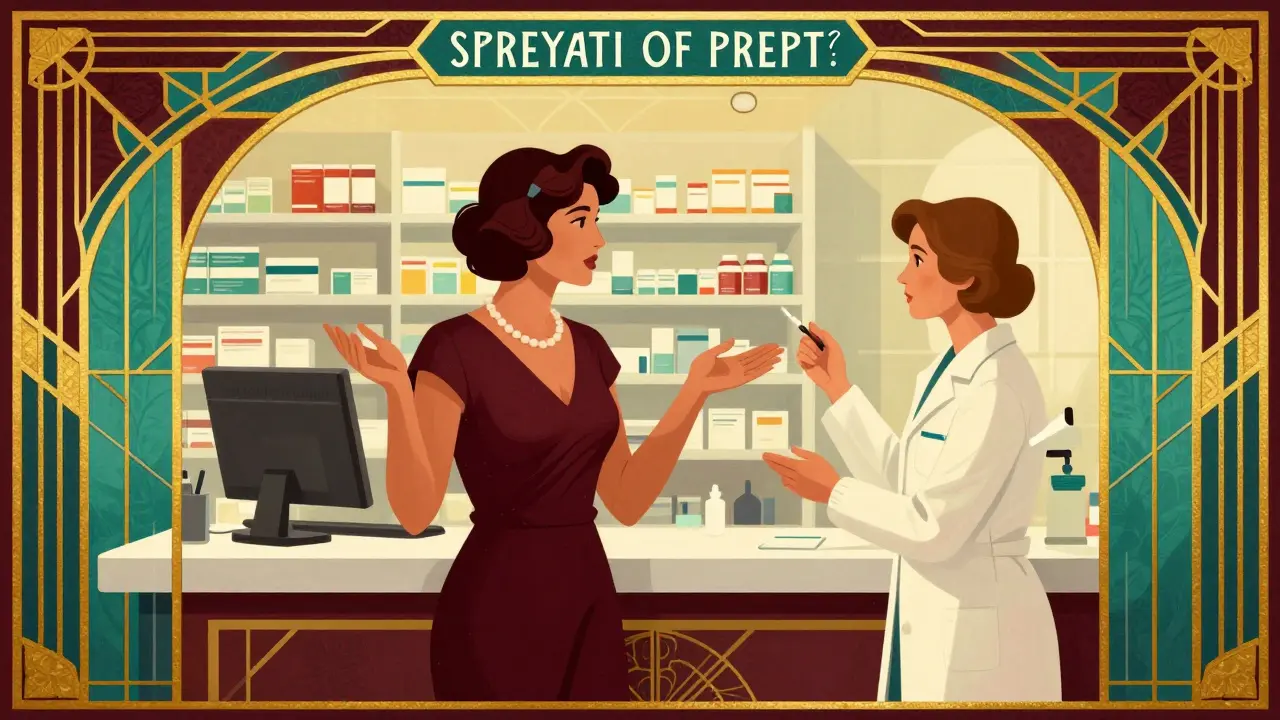
Actionable Steps to Prevent Dispensing Errors
You cannot control your doctor’s handwriting or your pharmacist’s fatigue. But you can control your own vigilance. Here is how to ensure you get the right dose, every time.
- Ask for Plain Language: Never accept a prescription with abbreviations. Ask your doctor to write "Take once daily" or "Take four times daily" clearly. It takes three extra letters to write "daily" instead of "QD," but it saves lives.
- Use Open-Ended Questions: When picking up meds, don’t ask, "Is this once a day?" This invites a simple "yes." Instead, ask, "Can you tell me exactly how often I should take this?" This forces the pharmacist to verbalize the full instruction.
- Check the Label Against the Script: If you have a copy of the prescription, compare it to the bottle label. Look for discrepancies in frequency. If the script says "q.d." and the label says "4x daily," stop immediately.
- Request Visual Aids: Some pharmacies offer icons or color-coded labels. A Johns Hopkins study showed that adding visual aids reduced confusion by 82%. Ask if your pharmacy provides these options.
- Verify with Your Pharmacist Directly: Don’t rely solely on the printed label. Speak to the pharmacist. The University of Michigan Health System found that verbal verification reduced errors by 67%.
These steps seem small, but they create a safety net. The goal is to catch the error before you swallow the pill.
The Future of Prescription Safety
The industry is moving toward total elimination of these abbreviations. The FDA’s 2023 draft guidance explicitly recommends against using Latin abbreviations entirely. The National Action Alliance for Patient Safety launched a campaign in April 2023 aiming to reduce abbreviation-related errors by 90% by 2026. With $45 million in funding from CMS, hospitals are being pressured to adopt plain language protocols.
For patients, this means fewer headaches and safer care. But until every system is updated and every provider is trained, the responsibility partially falls on you. Be curious. Be skeptical. And never assume that a short code is clear.
What does QD mean on a prescription?
QD stands for the Latin phrase quaque die, which means "once daily" or "every day." However, because it looks similar to QID, many safety organizations advise against using this abbreviation to prevent overdose errors.
What does QID mean on a prescription?
QID stands for quater in die, meaning "four times a day." This usually implies taking the medication during waking hours (e.g., breakfast, lunch, dinner, and bedtime), not necessarily every six hours around the clock.
Why are QD and QID considered dangerous?
They are visually similar, especially in handwriting. If a pharmacist or patient mistakes QD for QID, the patient may take four times the intended dose. This can lead to severe side effects, hospitalization, or death, particularly with potent drugs like sedatives or blood thinners.
Has the Joint Commission banned QD and QID?
Yes. The Joint Commission added QD, QID, and several other abbreviations to their official "Do Not Use" list in 2004. Hospitals accredited by the Joint Commission are required to prohibit their use in prescribing and documentation.
How can I check if my prescription has been misinterpreted?
Always read the written instructions on the bottle carefully. If you see abbreviations like QD, QID, BID, or TID, ask your pharmacist to explain them in plain English. Compare the bottle label with any written prescription you received from your doctor. If there is any doubt, call your doctor’s office directly.
Are electronic prescriptions safe from this error?
Mostly, yes. Modern electronic health records (EHRs) often block the use of QD and QID abbreviations. However, errors can still occur if a provider overrides a system alert or if the prescription is faxed/handwritten. Always verify verbally with your pharmacist regardless of the method.
What should I do if I accidentally took four doses instead of one?
Contact your healthcare provider or poison control center immediately. Do not wait for symptoms to appear. Depending on the medication, an overdose can cause serious complications like bleeding, respiratory depression, or organ damage. Bring the medication bottle with you to the hospital if you seek emergency care.