Stevens-Johnson Syndrome and Toxic Epidermal Necrolysis: Recognizing Medication-Related Emergencies
 Dec, 1 2025
SJS/TEN Symptom Assessment Tool
This tool helps identify symptoms that may indicate Stevens-Johnson Syndrome or Toxic Epidermal Necrolysis. If you experience multiple symptoms, seek emergency medical care immediately.
Current Medication
Symptoms
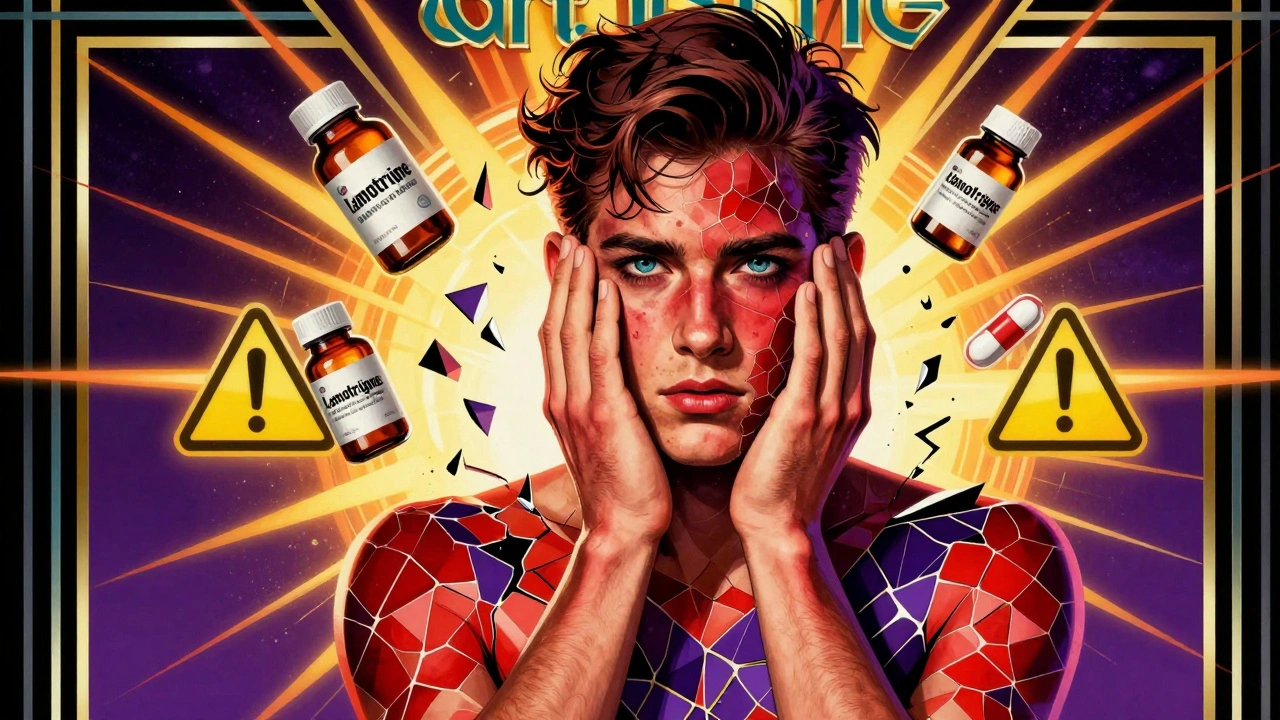
When a simple rash turns into a medical emergency, you need to know the signs - fast. Stevens-Johnson Syndrome (SJS) and Toxic Epidermal Necrolysis (TEN) are rare but deadly reactions triggered by medications. They don’t sneak up slowly. They strike hard, and every hour counts. What starts as a fever or sore throat can, within days, become a full-body skin crisis where the top layer of your skin dies and peels off like a burn. This isn’t just a bad reaction - it’s a life-or-death situation that demands immediate hospital care.
What Exactly Are SJS and TEN?
Stevens-Johnson Syndrome and Toxic Epidermal Necrolysis exist on the same spectrum of severity. Think of them as two ends of the same dangerous coin. SJS affects less than 10% of your body surface area. TEN, the more severe form, involves more than 30%. If the damage falls between 10% and 30%, it’s called SJS/TEN overlap. The difference isn’t just numbers - it’s survival odds. SJS has a death rate of about 5%. For TEN, it jumps to over 30%.
Both conditions begin with flu-like symptoms: fever, fatigue, sore throat, burning eyes. Then, within one to three days, a painful red or purple rash appears. It spreads fast. Blisters form, especially on your mouth, eyes, nose, and genitals. The skin starts to blister and peel - sometimes in large sheets. This isn’t a sunburn. It’s full-thickness epidermal necrosis, meaning the top layer of your skin dies and detaches from the body. A skin biopsy confirms it: no inflammation, just dead tissue sloughing off.
Which Medications Cause This?
Not every drug causes SJS or TEN, but some carry a much higher risk. The most common culprits are:
- Allopurinol - used for gout
- Lamotrigine - an epilepsy and bipolar medication
- Carbamazepine - another seizure drug
- Nevirapine - an HIV treatment
- Piroxicam and Meloxicam - NSAIDs for pain and inflammation
- Sulfamethoxazole - a sulfa antibiotic
- Phenytoin and Phenobarbital - older anticonvulsants
It’s not just the drug itself - it’s how you take it. With lamotrigine, the risk spikes if the dose is increased too quickly. It’s also dangerous if you stop the drug for a few days and then restart at the same dose without slowly building back up. Even if you’ve taken the medicine before without issue, the next time could be different.
And here’s the scary part: cross-reactivity. If you had SJS from carbamazepine, you’re at high risk of reacting to phenytoin, lamotrigine, or oxcarbazepine - even if you’ve never taken them. Same with sulfa drugs: if you reacted to sulfamethoxazole, avoid other sulfonamides. Survivors must avoid not just the triggering drug, but entire classes of structurally similar medications.
Who’s at Higher Risk?
SJS can happen to anyone, but certain people are more vulnerable:
- Children and young adults - more common in younger populations
- People with HIV or weakened immune systems - from chemotherapy or other conditions
- Those with a family history of SJS - genetic factors play a role
- People taking sodium valproate with lamotrigine - this combo increases risk
- Anyone who’s had a previous skin rash from epilepsy drugs
- Those allergic to trimethoprim - a sign of heightened sensitivity
Having had SJS once? You’re at extreme risk if you’re exposed again - even to a similar drug. That’s why it’s critical to keep a written list of all medications that triggered reactions and share it with every doctor you see.
What Happens After the Rash?
Surviving SJS or TEN doesn’t mean you’re out of the woods. Long-term damage is common - and often overlooked.
Your eyes are especially vulnerable. Up to half of survivors develop serious eye problems: dry eyes, light sensitivity, scarring of the cornea, eyelashes growing inward (trichiasis), and even permanent vision loss. That’s why follow-up with an ophthalmologist for at least a year is non-negotiable.
Other lasting issues include:
- Scarring and pigment changes on the skin
- Nail loss or deformities - though nails often regrow
- Thinning hair or patchy scalp hair loss
- Chronic mouth pain, dry mouth, gum disease
- Esophageal narrowing - making swallowing painful or difficult
- Genital scarring - leading to vaginal stenosis in women or phimosis in men
Death usually comes from complications: sepsis from open skin wounds, organ failure, blood clots, or lung damage. Even if the skin heals, your body may never fully recover.
What Should You Do If You Suspect SJS or TEN?
If you’re on a high-risk medication and you develop a rash with fever, blisters, or sores in your mouth or eyes - go to the emergency room immediately. Don’t wait. Don’t call your doctor tomorrow. Don’t try antihistamines or steroid creams. This isn’t an allergic reaction you can treat at home.
Doctors will stop the suspected drug right away. You’ll be admitted - often to a burn unit or ICU - because your skin needs the same care as a severe burn. Treatment is supportive: fluids, pain control, infection prevention, wound care, and nutritional support. There’s no magic drug that cures SJS or TEN. Some hospitals try immunoglobulins or corticosteroids, but evidence is mixed. The real treatment? Time, intensive care, and stopping the trigger.
Early recognition saves lives. If you’re prescribed lamotrigine, allopurinol, or any of the high-risk drugs, know the warning signs. If you see a rash that spreads fast, blisters, or hurts your eyes or mouth - act now.

How to Prevent It
Prevention starts with awareness.
- Never start a new high-risk drug without knowing the risks
- Follow exact dosing instructions - especially with lamotrigine. Slow titration matters
- Don’t restart a drug after stopping it unless your doctor guides you through a slow rebuild
- Avoid new foods or supplements during the first 8 weeks of starting a high-risk medication - it helps doctors tell if a rash is drug-related
- Keep a list of all medications that caused rashes or reactions - and carry it with you
- Tell every new doctor about your history - even if it happened years ago
Remember: SJS and TEN are rare. The chance of getting them is low - even if you’re on a high-risk drug. But when they happen, they’re devastating. Knowing the signs and acting fast can mean the difference between recovery and death.
What Happens After Recovery?
Recovery takes months - sometimes years. You’ll need a team: a dermatologist, an ophthalmologist, a dentist, and possibly a gynecologist or urologist, depending on complications. Regular eye exams are essential. Many survivors develop chronic dry eye that requires lifelong lubricants or even surgery. Skin may remain sensitive to sunlight. Scarring can affect movement or self-image.
Some people return to normal life. Others live with permanent changes. But one thing is certain: you must never take the triggering medication again - or anything similar. Your body remembers. And next time, it might not be so forgiving.
Can you get Stevens-Johnson Syndrome from over-the-counter drugs?
Yes. While most cases are linked to prescription drugs like lamotrigine or allopurinol, some over-the-counter NSAIDs - especially piroxicam and meloxicam - have caused SJS. Even common painkillers can trigger it in rare cases. Never assume OTC means safe.
How long after starting a drug can SJS develop?
Most cases occur within the first 8 weeks of starting the medication. But it can happen up to two weeks after stopping the drug. That’s why symptoms appearing after you’ve stopped a medicine still need urgent evaluation.
Is SJS contagious?
No. SJS is not contagious. It’s a reaction inside your own immune system triggered by medication. You can’t catch it from someone else.
Can you survive TEN without hospitalization?
No. TEN is a medical emergency that requires intensive care. Without hospital treatment, the risk of death from infection, organ failure, or fluid loss is extremely high. Home care is not an option.
Are there genetic tests to predict SJS risk?
Yes - for some drugs. For example, people of Asian descent carrying the HLA-B*15:02 gene are at high risk of SJS from carbamazepine. Testing is recommended before starting this drug in those populations. Similar tests exist for allopurinol and certain HLA variants. But these tests aren’t available for all medications or all ethnic groups.
If I had SJS once, can I ever take any of the same drugs again?
Never. Re-exposure to the same drug or structurally similar ones carries a very high risk of recurrence - and the second reaction is often more severe. Always inform every healthcare provider about your history. Keep a medical alert card or bracelet.
Do all rashes from lamotrigine mean SJS?
No. Most rashes from lamotrigine are mild and not life-threatening. But if the rash spreads quickly, is accompanied by fever, blisters, or sores in your mouth or eyes, treat it as an emergency. Don’t wait - go to the ER.
Final Thoughts
SJS and TEN are rare, but they’re not unpredictable. They’re the result of a dangerous mix: a medication, a vulnerable body, and a delayed response. The key isn’t avoiding all drugs - it’s knowing the red flags and acting before it’s too late. If you’re on a high-risk medication, learn the symptoms. Talk to your doctor. Keep a list. And if something feels wrong - don’t hesitate. Your skin is your body’s first warning system. Listen to it.
Elizabeth Grace
December 2, 2025 AT 06:52This post scared the hell out of me. I was on lamotrigine last year and got a tiny rash - thought it was just heat. Now I’m never ignoring a skin change again.
Jay Everett
December 2, 2025 AT 13:22Yo, if you're on any of these meds, PLEASE keep a physical list. I had a doc nearly prescribe me sulfa again after my SJS - I had to pull out my wallet and show him my medical alert card. 🙏
Also, eye care is non-negotiable. I had to get 3 corneal transplants. Don’t wait till you’re blind to care.
मनोज कुमार
December 2, 2025 AT 23:55Zed theMartian
December 3, 2025 AT 17:08So let me get this straight - we’re supposed to trust Big Pharma’s ‘safe’ drugs while ignoring the fact that 90% of these reactions are preventable with basic genetics?
It’s not a medical emergency - it’s a systemic failure dressed up as a cautionary tale.
Laura Baur
December 4, 2025 AT 01:14It’s fascinating how people treat SJS like some mysterious plague when it’s entirely avoidable. If you’re not getting HLA typing before high-risk prescriptions, you’re not being responsible - you’re gambling with your epidermis.
And yes, I’ve seen patients die because they ‘didn’t think it was serious.’ You don’t get a second chance with TEN.
dave nevogt
December 4, 2025 AT 04:07I lost my brother to TEN after a routine antibiotic. He didn’t even know the drug was on the list. The worst part? The ER doctor told him to ‘take an antihistamine and sleep it off.’
It’s not just about knowing the signs - it’s about doctors listening. And we’re failing each other.
Every time someone says ‘it’s rare,’ they’re forgetting the one person it happened to.
Roger Leiton
December 5, 2025 AT 22:23Just had my first follow-up with the ophthalmologist after my SJS last year. They found early corneal scarring I didn’t even feel. 😢
They gave me 3 types of drops and said ‘use these like your life depends on it.’
Turns out… it kinda does. 🫂
Paul Keller
December 7, 2025 AT 02:14While the clinical details presented here are accurate and meticulously referenced, one must acknowledge the broader epidemiological context: the incidence rate of SJS/TEN remains below 2 cases per million person-years for most populations, even among high-risk pharmacological cohorts. The emotional weight of individual cases should not be conflated with population-level risk assessment. A rational public health approach requires calibrated alarm, not panic-driven avoidance of essential therapeutics.
Furthermore, the assertion that ‘any rash’ demands immediate ER visit may induce iatrogenic harm through unnecessary hospitalizations and antibiotic overuse. Clinical judgment remains paramount.
Joel Deang
December 7, 2025 AT 17:58bro i was on meloxicam for my back and got this weird rash… thought it was just sweat. then my lips swelled up like a balloon 😳
got to the er at 3am and they were like ‘oh shit you’re lucky you’re alive’
now i carry a card that says ‘NO NSAIDS, NO LAMOTRIGINE, NO SULFA’
and yes i spelled all that wrong on purpose so docs actually read it 😅
Ella van Rij
December 8, 2025 AT 01:10Oh wow. Another ‘listen to me, I survived’ post. How original. Did you also get your DNA tested by a TikTok dermatologist? Or did you just Google ‘SJS symptoms’ and now you’re an expert?
Meanwhile, real doctors are trying to treat actual patients while you all turn this into a trauma bingo game.
Arun kumar
December 9, 2025 AT 07:43ATUL BHARDWAJ
December 9, 2025 AT 18:48Steve Enck
December 11, 2025 AT 05:30One cannot help but observe the anthropological undercurrents of this discourse: the modern individual, armed with fragmented medical knowledge gleaned from algorithmically curated sources, now positions themselves as both patient and physician - a conflation that erodes the epistemic authority of clinical medicine.
While the narrative of personal survival is emotionally compelling, it risks replacing evidence-based protocol with anecdotal dogma. The very structure of SJS/TEN pathophysiology demands systemic, not individualized, intervention - yet the cultural impulse is toward self-diagnosis and performative vigilance.
Is this not the apotheosis of late-capitalist health anxiety?
Steve World Shopping
December 12, 2025 AT 03:46Jack Dao
December 13, 2025 AT 08:44Let’s be honest - if you’re on lamotrigine and you didn’t get genetic testing before starting, you’re not a patient. You’re a lab rat.
And if your doctor didn’t offer it? They’re either lazy or complicit.
Stop romanticizing survival. Start demanding accountability.