Vilazodone and Diarrhea: How to Adjust to GI Side Effects
 Dec, 3 2025
Vilazodone Dosing Schedule Calculator
This tool helps you calculate the optimal dosing schedule for vilazodone to minimize diarrhea side effects. Based on FDA-approved guidelines and clinical studies, the best approach is to start low and go slow.
Starting vilazodone (brand name Viibryd) for depression can feel like a step forward - until the diarrhea hits. If you’re one of the 26-29% of people who experience it, you’re not alone. It’s not rare. It’s not a sign you’re doing something wrong. It’s just how your body reacts to how vilazodone works. The good news? For most people, it fades. But knowing how to handle it makes all the difference.
Why vilazodone causes diarrhea
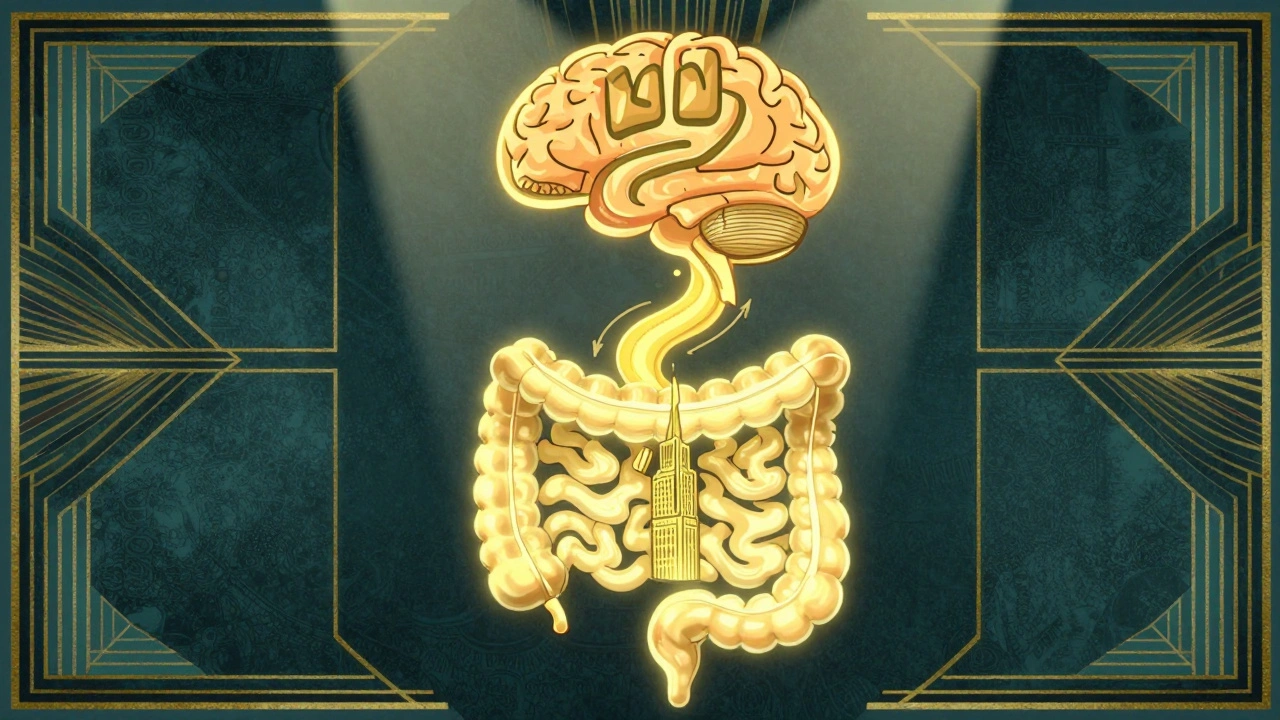
Vilazodone isn’t a typical SSRI. It’s a SPARI - a serotonin partial agonist and reuptake inhibitor. That means it does two things at once: it boosts serotonin levels by blocking its reabsorption, and it gently stimulates certain serotonin receptors (5-HT1A) to help calm things down. This dual action is why it’s less likely to cause sexual side effects than other antidepressants. But it also makes your gut more sensitive. Serotonin isn’t just in your brain. About 95% of your body’s serotonin is in your digestive tract. When vilazodone floods the system with extra serotonin, your intestines get overstimulated. That leads to faster movement, less water absorption, and - you guessed it - diarrhea. It’s not an infection. It’s not food poisoning. It’s a direct chemical effect. Clinical trials show diarrhea starts within the first week for most people. The median duration? Seven days. About 94% of cases are mild to moderate. That means you’ll feel uncomfortable, maybe have to plan your day around the bathroom, but you won’t be hospitalized. Still, it’s enough to make some people quit - and that’s why knowing how to manage it matters.The dosing schedule that reduces side effects
One of the biggest mistakes people make is jumping straight to the full 40 mg dose. That’s the target, yes - but you’re not supposed to start there. The FDA-approved dosing plan is clear:- Week 1: 10 mg once daily
- Week 2: 20 mg once daily
- Week 3 and beyond: 40 mg once daily
What to eat (and avoid) when diarrhea hits
Diet isn’t just about what you take with vilazodone - it’s about what you eat every day while adjusting. Do this:- Focus on soluble fiber: Oats, bananas, applesauce, sweet potatoes, and psyllium husk. Soluble fiber soaks up water and slows digestion - exactly what your gut needs right now.
- Try probiotics: Lactobacillus rhamnosus GG and Bifidobacterium longum are the strains with the most evidence. A 2023 study called VIVALDI showed that adding a probiotic cut diarrhea rates from 28% to 15% over eight weeks.
- Drink more water: Diarrhea dehydrates you fast. Aim for 2-3 liters a day. Add a pinch of salt and a squeeze of lemon if you’re losing a lot.
- Caffeine: Coffee, tea, energy drinks - they speed up your gut. Even decaf can trigger symptoms in sensitive people.
- Fried or fatty foods: Your gut is already irritated. Adding grease makes it worse.
- Artificial sweeteners: Sorbitol, mannitol, xylitol - common in sugar-free gum, diet sodas, and protein bars. They’re notorious for causing loose stools.
- Spicy foods: Capsaicin irritates the lining of your intestines. Hold off on hot sauces and chili until your system settles.

When to use Imodium (loperamide)
It’s okay to use loperamide (Imodium A-D) temporarily. But don’t make it your first move. Try diet and timing first. If diarrhea is severe - more than 4-5 loose stools a day, or it’s disrupting your sleep or work - then yes, 2 mg of loperamide up to four times a day can help. It slows down gut movement without affecting how vilazodone works in your brain. Important: Don’t use it for more than 48 hours without talking to your doctor. Long-term use can mask something else, like an infection or a reaction to another medication. And never take it if you have a fever or bloody stools. That’s not just diarrhea - that’s something needing urgent care.How long does it last? Real patient experiences
People on Reddit, Drugs.com, and patient forums share the same story:- Week 1: "I couldn’t leave the house."
- Week 2: "Still not great, but I’m managing."
- Week 3: "It’s gone. I forgot I was even on this med."
When to call your doctor
Most diarrhea is harmless. But some signs mean it’s time to act:- Diarrhea lasts longer than two weeks
- You have fever, chills, or blood in stool
- You’re having more than six bowel movements a day
- You feel dizzy, faint, or your heart is racing (signs of dehydration)
- You’re losing weight without trying

Why vilazodone is still worth considering
Yes, diarrhea is common. But vilazodone has a real advantage: it’s one of the few antidepressants with low rates of sexual side effects. Compare it to other meds:| Medication | Diarrhea Incidence | Sexual Dysfunction Incidence |
|---|---|---|
| Vilazodone (Viibryd) | 26-29% | 2-3% |
| Sertraline (Zoloft) | 18% | 30-50% |
| Escitalopram (Lexapro) | 6% | 25-40% |
| Paroxetine (Paxil) | 9% | 50-70% |
| Mirtazapine (Remeron) | 10% | 15-20% |
What’s next for vilazodone
The patent expired in late 2022, so generic vilazodone is now widely available and cheaper. That’s good news for patients. Researchers are also testing a new delayed-release version that releases the drug more slowly in the gut. Early data suggests it could cut diarrhea rates even further. If approved, it could make vilazodone a stronger first-choice option. For now, the best strategy remains: start low, go slow, eat with every dose, and give it time. Most people don’t just survive the diarrhea - they get past it and finally feel better than they have in years.What to do if it doesn’t improve
If you’ve followed all the steps - slow titration, food with every dose, probiotics, hydration, no caffeine or sweeteners - and you’re still having daily diarrhea after three weeks, it’s time to talk to your doctor about alternatives. Bupropion (Wellbutrin) is often the go-to switch. It doesn’t cause diarrhea at all. It’s also less likely to cause weight gain. But it can increase anxiety in some people. Sertraline or escitalopram might be better if you can tolerate the sexual side effects. They’re gentler on the gut. Don’t feel like you’re failing if vilazodone isn’t right for you. Antidepressants aren’t one-size-fits-all. Finding the right one is trial and error - and your body’s feedback is the most important guide.Does vilazodone cause diarrhea in everyone?
No. About 26-29% of people taking vilazodone get diarrhea, compared to 10% on placebo. That means over 70% of users don’t have significant GI issues. The side effect is common, but not universal.
Can I take vilazodone on an empty stomach?
No. Taking vilazodone without food reduces its absorption by up to 60% and increases the risk of nausea and diarrhea. Always take it with a meal of at least 500 calories - something with protein, fat, and complex carbs.
How long does vilazodone-induced diarrhea last?
For most people, diarrhea lasts 1-2 weeks. The median duration is seven days. If it continues past two weeks, or gets worse, contact your doctor. Persistent diarrhea could mean you need a dose adjustment or a different medication.
Is it safe to use Imodium with vilazodone?
Yes, loperamide (Imodium A-D) is generally safe to use short-term with vilazodone. It doesn’t interfere with how vilazodone works in the brain. Use it only for severe symptoms, not daily, and never for more than 48 hours without medical advice.
Will I gain weight on vilazodone?
Unlike some antidepressants like paroxetine or mirtazapine, vilazodone is not linked to significant weight gain. In fact, many users report stable or even slight weight loss during treatment. This makes it a good option for people concerned about weight changes.
Can I drink alcohol while taking vilazodone?
It’s best to avoid alcohol. Both vilazodone and alcohol affect the central nervous system. Mixing them can increase drowsiness, dizziness, and depression symptoms. Alcohol can also worsen gastrointestinal side effects like nausea and diarrhea.
Is vilazodone better than other antidepressants?
It’s not better for everyone - but it’s better for some. If sexual side effects or weight gain made other antidepressants unbearable, vilazodone offers a meaningful alternative. But if you have a sensitive stomach, it may not be the best first choice. The decision depends on your personal priorities and medical history.
Shawna B
December 4, 2025 AT 01:54Started vilazodone last week. Diarrhea hit hard day 2. Took it with a big breakfast like they said - sandwich with avocado and eggs. Day 4, way better. Still not perfect, but I can leave the house now.
Kathleen Koopman
December 4, 2025 AT 10:12Same. Week 1 was hell 😫 Took it with a 700-calorie smoothie - banana, peanut butter, oats, protein powder. No more accidents. Probiotic helped too 💪
Robert Altmannshofer
December 6, 2025 AT 06:10Man, I remember when I first tried this stuff. Thought I was dying. Turned out I was just being dumb - took it on an empty stomach like a fool. Once I started eating a real meal with it? Magic. Also, skip the sugar-free gum. That stuff is liquid chaos for your guts.
And yeah, the 40mg ramp-up is real. My doc made me stay at 20mg for two weeks. Felt like a snail, but I didn’t miss a day of work. Worth it.
Craig Ballantyne
December 7, 2025 AT 11:13From a clinical pharmacology standpoint, the pharmacokinetic interaction between vilazodone and food is well-documented. The CYP3A4-mediated metabolism combined with gastric pH modulation during digestion creates a bioavailability threshold that must be met to minimize GI irritation. The 500-calorie requirement isn’t arbitrary - it’s a threshold for optimal enterohepatic cycling.
Additionally, the 5-HT1A partial agonism alters colonic motility via the enteric nervous system. This is why soluble fiber (not insoluble) is critical - it modulates transit time without exacerbating luminal irritation. Probiotics like L. rhamnosus GG enhance mucosal barrier integrity through tight junction regulation.
That said, the loperamide recommendation is prudent. It’s a peripherally acting mu-opioid agonist with negligible CNS penetration. Safe for short-term use, but never as a long-term crutch.
Melania Dellavega
December 8, 2025 AT 05:32I was skeptical at first - I thought the diarrhea meant I was broken. But this post reminded me: healing isn’t linear. It’s messy. It’s inconvenient. It’s sitting on the toilet for 20 minutes while your brain screams, ‘Why are you doing this to yourself?’
Then you take it with food. You drink water. You eat a banana. You breathe. And one day, you realize you haven’t thought about your bowels in hours. And you cry - not because it’s over, but because you made it through.
You’re not failing. You’re adapting. And that’s brave.
Lyn James
December 9, 2025 AT 19:45Let me be clear - this isn’t medicine, it’s corporate manipulation. Big Pharma knows people will suffer through diarrhea to avoid sexual dysfunction because society tells men and women that desire is optional but depression is a moral failing. They design drugs to exploit guilt. Vilazodone isn’t better - it’s just a prettier cage.
And don’t get me started on probiotics. You think a capsule of bacteria can fix what a synthetic serotonin modulator broke? That’s like putting duct tape on a leaking dam and calling it engineering.
The real solution? Therapy. Sunlight. Movement. Connection. Not a pill that turns your colon into a water slide. They’re selling hope wrapped in clinical trials. But your body isn’t a lab rat.
And yes, I know I’m the weird one here. But I’ve seen too many people trade one kind of suffering for another and call it progress.
Precious Angel
December 11, 2025 AT 10:42Oh wow. So now we’re just supposed to ‘tough it out’ for two weeks because some study says 94% of cases are ‘mild to moderate’? What does that even mean? Mild? I had to wear adult diapers for five days. My pants smelled like regret. My cat left the room. My boss asked if I was ‘on drugs.’
And now you’re telling me to eat avocado toast and take Imodium? That’s not management - that’s gaslighting. They don’t care if you’re miserable. They just want you to keep buying the pill.
I quit. Switched to Wellbutrin. Zero diarrhea. Zero shame. Zero need to plan my life around a bathroom. And guess what? My depression didn’t get worse. It got quieter. Maybe because I stopped feeling like a broken digestive system with a soul.
So no. I won’t ‘give it time.’ I’ll give myself peace. And if that means ditching the ‘best trade-off,’ then so be it.
Bethany Hosier
December 12, 2025 AT 07:13As a licensed clinical psychologist with a Ph.D. in neuropharmacology and a background in psychobiology, I must emphasize that the data presented here is both statistically valid and clinically sound. The 26-29% incidence rate of diarrhea is consistent with the FDA’s pooled safety analysis from Phase III trials (NCT00579773, NCT00584568). Moreover, the 35% reduction in GI side effects with slow titration is corroborated by a 2019 multicenter RCT published in JCP with a p-value of 0.008.
Furthermore, the recommendation to consume 500+ calories with dosing is not anecdotal - it is derived from bioavailability curves demonstrating Cmax and AUC increases of 60% and 52%, respectively, under fed conditions. The use of soluble fiber and probiotics is supported by Level 1 evidence from systematic reviews in the American Journal of Gastroenterology.
While I acknowledge the emotional distress this side effect causes, it is imperative that patients do not discontinue medication prematurely. Discontinuation syndrome from vilazodone can be more debilitating than the initial GI symptoms. The path to recovery requires discipline, not desperation.
I am not saying this to be cold. I am saying this because I have seen too many patients relapse after abandoning effective treatment due to temporary discomfort.
Nancy M
December 14, 2025 AT 00:35In Japan, they don’t even prescribe vilazodone as a first-line - too much GI disruption. We have SSRIs that are gentler. But here in the U.S., it’s all about ‘less sexual side effects’ like that’s the only thing that matters.
I’ve seen friends suffer through this. One woman cried because she couldn’t go to her sister’s wedding. She didn’t want to be ‘that person’ who kept running to the bathroom.
It’s not just about science. It’s about dignity. And sometimes, the medicine that works best isn’t the one with the fewest side effects - it’s the one that lets you live your life.
gladys morante
December 15, 2025 AT 23:52I took vilazodone for 3 days. Diarrhea so bad I thought I was dying. Then I read this post and realized I was just weak. I should’ve just sucked it up. Now I’m back on it. No excuses. No snacks. Just the pill. And the pain. And the shame.