Why Drug Shortages Hit Manufacturers Hard: The Pricing Pressure Crisis of 2026
 Aug, 1 2026
It is August 2026, and the pharmacy shelves look different than they did three years ago. You walk in for a routine refill, but the pharmacist tells you there is a shortage. This isn't just an inconvenience; it is a symptom of a deeper financial crisis shaking the pharmaceutical industry. For manufacturers, the problem is no longer just about making enough pills or vials. It is about surviving a perfect storm where input costs skyrocket while prices remain stubbornly low due to regulatory caps and market pressure.
This phenomenon, often described as manufacturer financial strain, has turned the production of essential medicines into a high-risk gamble. When margins shrink to single digits or vanish entirely, companies make hard choices. They delay maintenance on aging plants, reduce safety stock, or even halt production of less profitable generic drugs. The result? The very shortages patients are experiencing today.
The Squeeze on Margins: Why Costs Are Rising
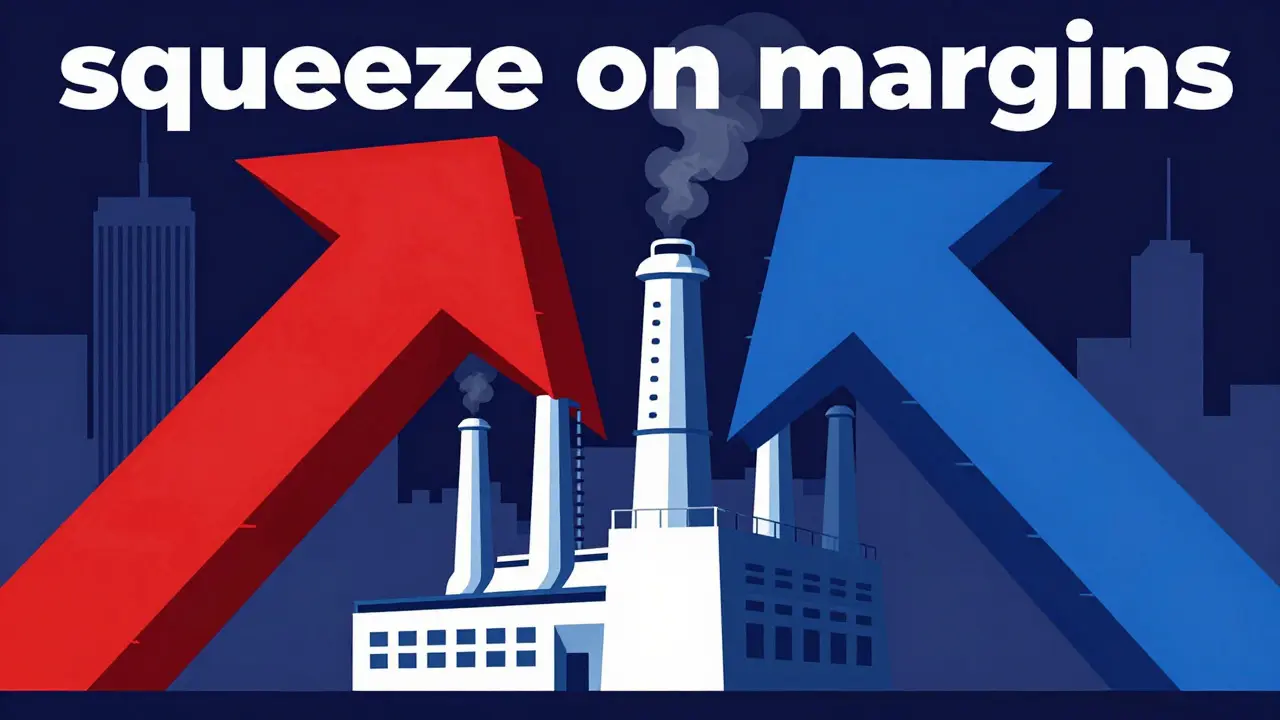
To understand why drug shortages happen, you have to look at the balance sheet. In the past, pharmaceutical manufacturing was a volume game. Produce millions of units, sell them at a steady price, and keep the lights on. That model is broken. Since late 2023, manufacturers have faced a convergence of cost drivers that are eating away at profitability.
Raw materials are the first line of defense, and they are under siege. Active Pharmaceutical Ingredients (APIs), the core components of any drug, are increasingly sourced from a limited number of countries. Geopolitical tensions and trade policies have disrupted these supply lines. According to data from early 2025, tariffs on critical chemical precursors surged, raising the effective rate to over 10% by mid-year. For a generic drug with thin margins, a 15-20% increase in raw material costs can turn a profitable product into a loss leader overnight.
Energy costs add another layer of complexity. Manufacturing sterile injectables or complex biologics requires precise temperature control and massive amounts of clean energy. With global energy markets remaining volatile, utility bills for pharmaceutical plants have become unpredictable. A factory in Europe or North America might see its energy spend jump by double digits in a single quarter, forcing immediate operational adjustments.
Regulatory Caps vs. Market Reality
If costs were rising but prices could rise too, manufacturers might absorb the shock. But that is not how the pharmaceutical market works, especially for generics and off-patent drugs. Prices are heavily influenced by government reimbursement rates, insurance formularies, and competitive bidding.
In many markets, price increases are scrutinized intensely. If a manufacturer raises the price of a common antibiotic or blood pressure medication, payers may switch to a competitor. This creates a "prisoner's dilemma" where no one dares to raise prices significantly, fearing they will lose market share. Consequently, when input costs rise, the manufacturer absorbs the hit. Once the margin drops below a sustainable threshold-often cited as below 3-5% for generics-the economic incentive to produce that specific drug disappears.
Consider the case of simple saline solutions or basic painkillers. These products are commodities. There is little brand loyalty. If Manufacturer A raises their price by 10%, Hospital B switches to Manufacturer C. This fierce competition keeps prices low for consumers but leaves manufacturers with razor-thin buffers against cost shocks.

The Supply Chain Domino Effect
Financial strain does not exist in a vacuum. It directly impacts supply chain resilience. Historically, manufacturers held large inventories of raw materials and finished goods to buffer against disruptions. Today, holding inventory is expensive. Warehousing costs, insurance, and the risk of expiration mean that every dollar tied up in stock is a dollar not used elsewhere.
Under financial pressure, companies shift to Just-in-Time (JIT) manufacturing models to save cash. This works beautifully until something goes wrong. A port strike, a weather event, or a supplier bankruptcy can halt production within days. Without safety stock, the assembly line stops. By the time alternative suppliers are qualified-a process that can take months due to strict FDA or EMA regulations-the shortage has already begun.
Furthermore, the consolidation of the API market means there are fewer backup options. For many critical drugs, only two or three facilities globally produce the necessary ingredients. If one facility faces financial distress and closes, the entire downstream supply chain fractures. We saw this play out repeatedly between 2024 and 2025, leading to widespread shortages of life-saving medications like insulin analogs and chemotherapy agents.
Why do drug shortages happen if manufacturers have money?
Shortages often occur because producing certain drugs becomes unprofitable. When the cost of raw materials, energy, and labor exceeds the regulated or market-driven selling price, manufacturers may voluntarily stop production to cut losses. It is not always a lack of total capital, but a lack of margin on specific products.
How do tariffs affect drug prices for consumers?
Tariffs on imported chemicals and packaging materials increase the cost of production. While manufacturers try to absorb these costs, sustained tariff hikes can force price increases. However, due to competition, manufacturers often prefer to discontinue low-margin products rather than raise prices and lose customers, leading to shortages instead of higher shelf prices.
What is the role of active pharmaceutical ingredients (APIs) in shortages?
APIs are the biologically active components of a drug. Most APIs are manufactured overseas, particularly in Asia. Disruptions in these supply chains, whether due to geopolitical issues, quality failures, or financial distress at the supplier level, directly cause shortages in finished drug products worldwide.
Can digital tools help prevent these shortages?
Yes. Advanced analytics and AI-driven demand forecasting can help manufacturers predict supply chain disruptions before they happen. By optimizing inventory levels and identifying alternative suppliers faster, companies can maintain production continuity even during periods of financial or logistical stress.
Why don't manufacturers just raise prices to cover costs?
For generic drugs, the market is highly competitive. If one manufacturer raises prices, hospitals and pharmacies will switch to a cheaper competitor. Therefore, raising prices often leads to lost market share. Instead, manufacturers may choose to exit the market for that specific drug entirely, causing a shortage.