Archive: 2025/12 - Page 2
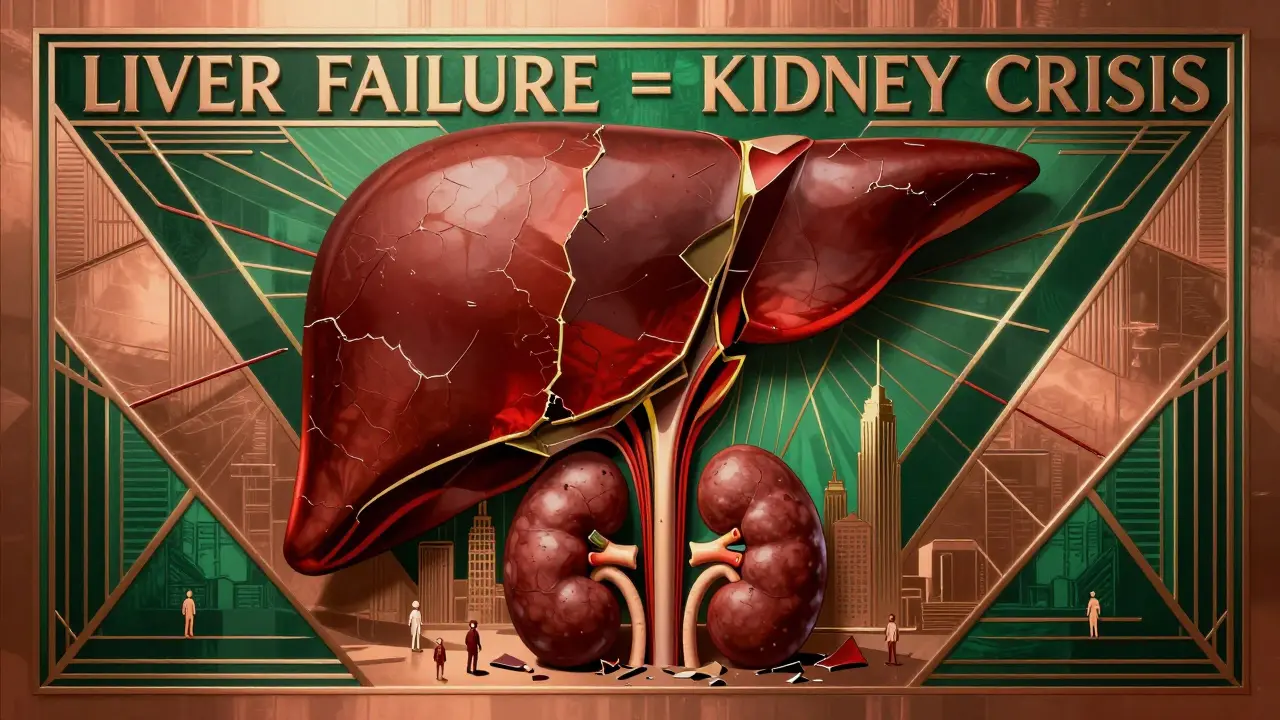
Hepatorenal Syndrome: How Advanced Liver Disease Causes Sudden Kidney Failure
Hepatorenal syndrome is a deadly form of kidney failure that strikes people with advanced liver disease. It's not kidney damage-it's the liver shutting down blood flow to the kidneys. Early diagnosis and treatment can save lives.
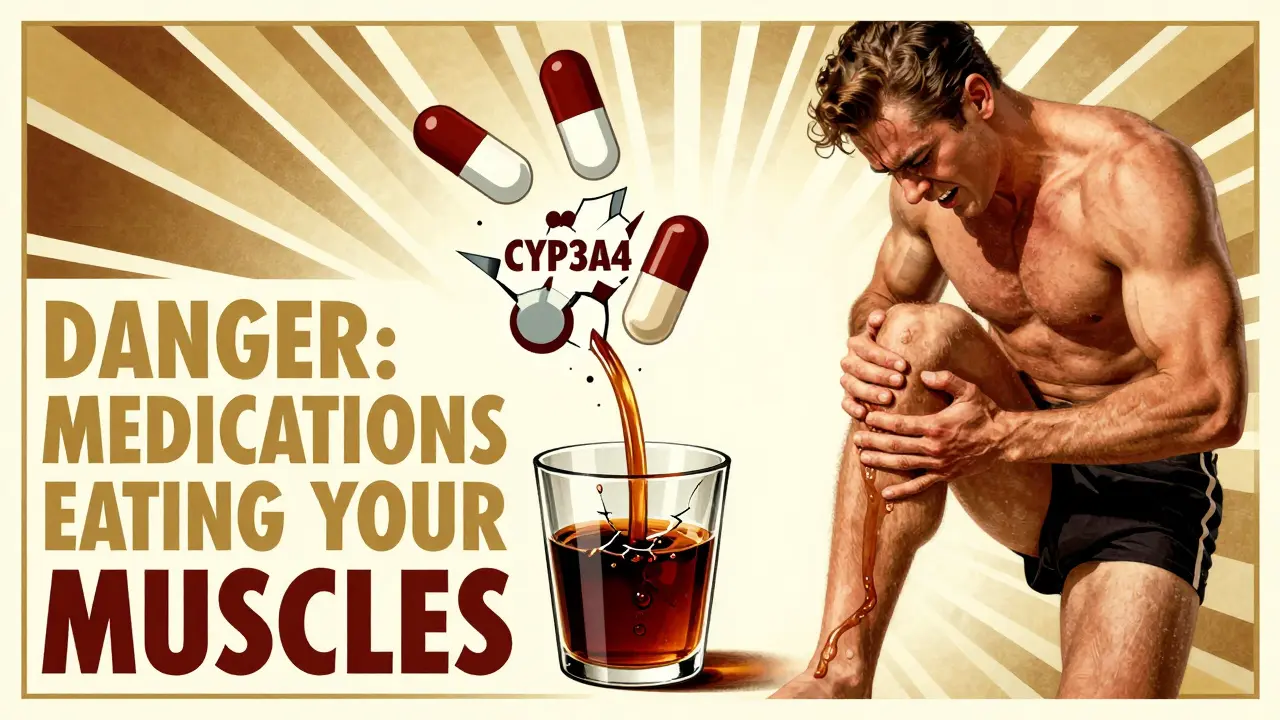
Rhabdomyolysis from Medication Interactions: What You Need to Know About Muscle Breakdown Emergencies
Rhabdomyolysis from medication interactions is a silent, life-threatening condition that causes muscle breakdown and kidney failure. Statins combined with common antibiotics or antifungals are the leading cause. Know the signs, risks, and how to prevent it.
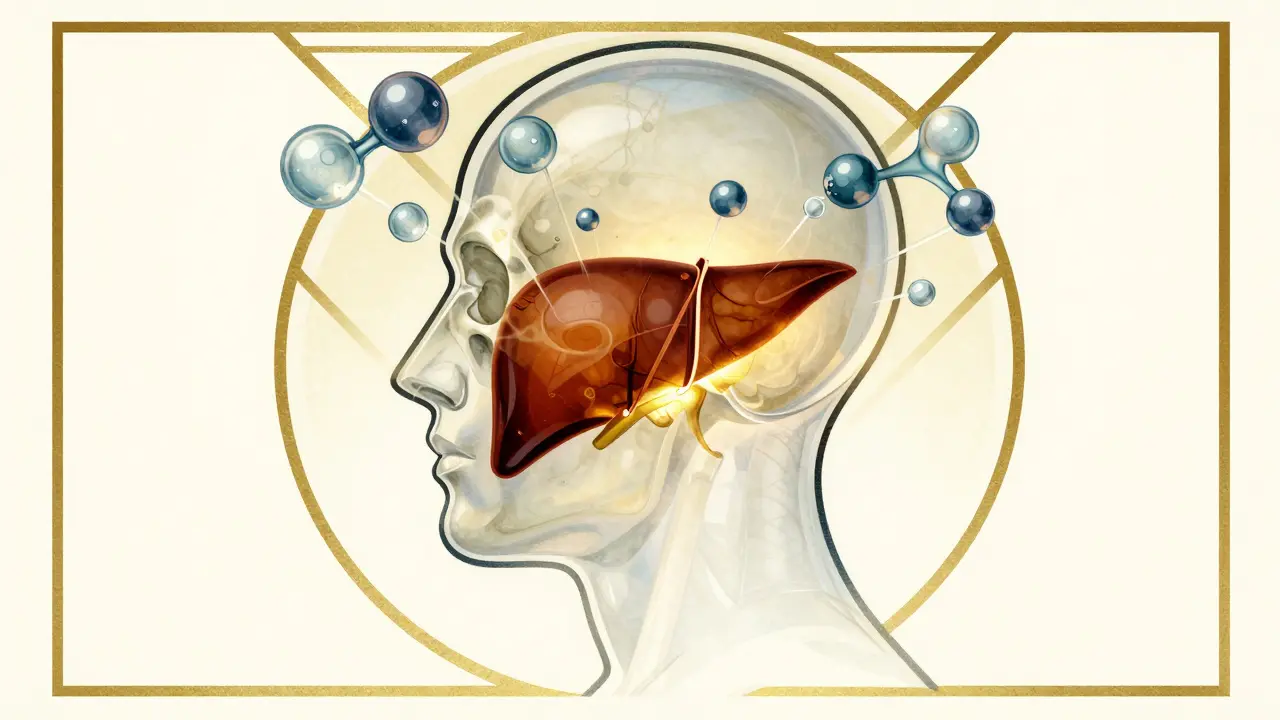
Hepatic Encephalopathy: Understanding Confusion, Lactulose, and How to Prevent It
Hepatic encephalopathy causes confusion due to ammonia buildup from liver disease. Lactulose is the key treatment, helping flush out toxins. Prevention through diet, avoiding triggers, and consistent medication can stop episodes before they start.
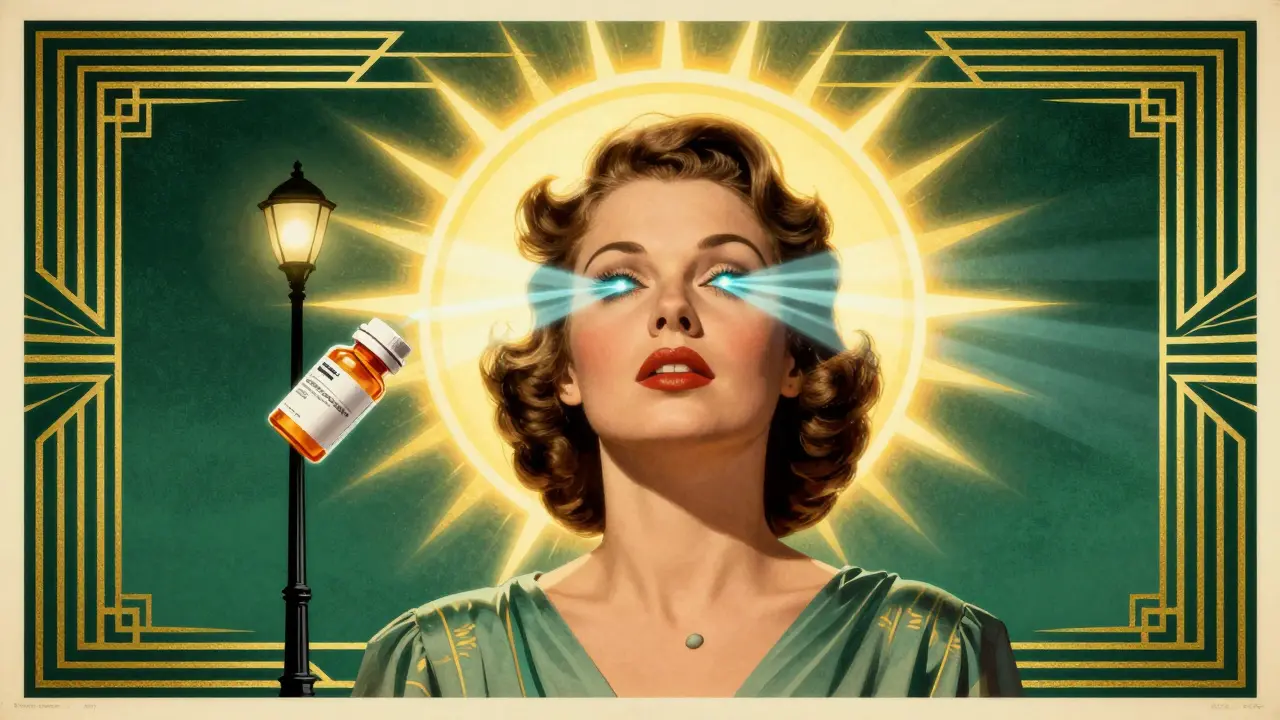
Medications That Cause Halos and Light Sensitivity: Eye Safety Tips You Can't Ignore
Many common medications cause halos and light sensitivity-some can lead to permanent eye damage. Learn which drugs are risky, how to spot warning signs, and what steps actually protect your vision.
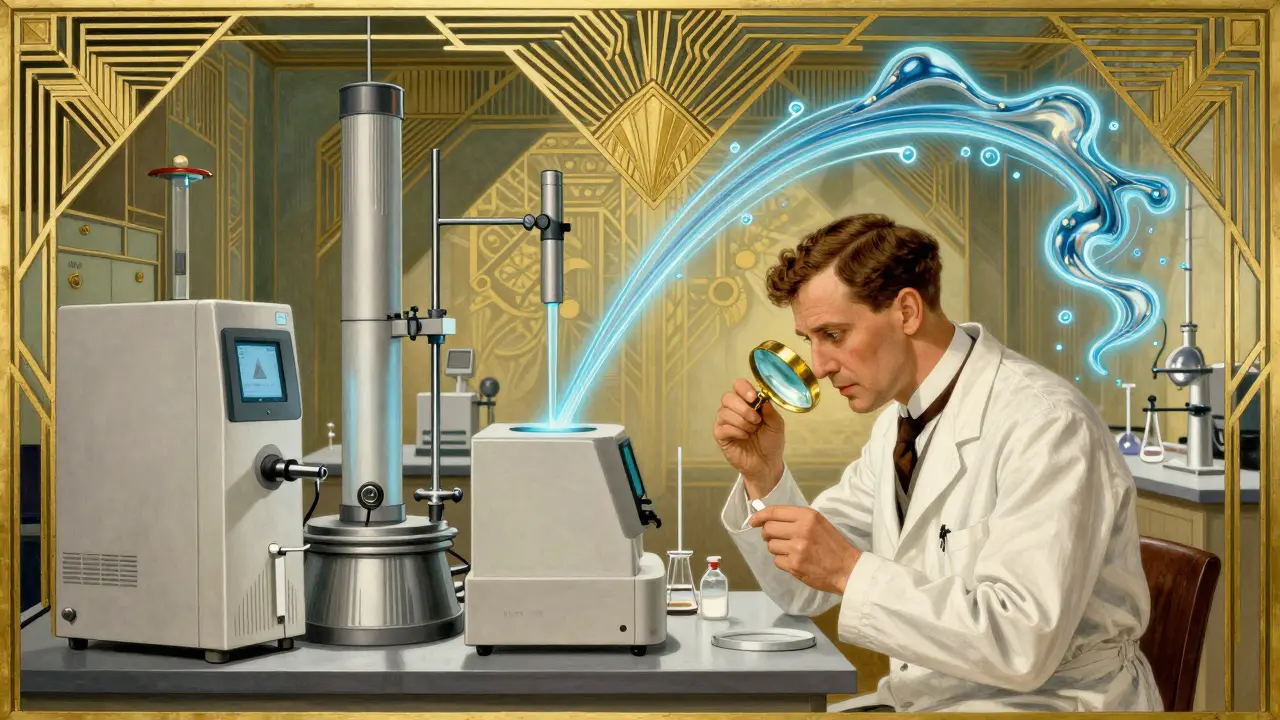
How Generic Drugs Are Made: The Full Manufacturing Process Explained
Generic drugs save billions in healthcare costs and work just as well as brand-name versions. Learn how they're made, tested, and approved - from reverse engineering to FDA inspections - and why they're safe and reliable.
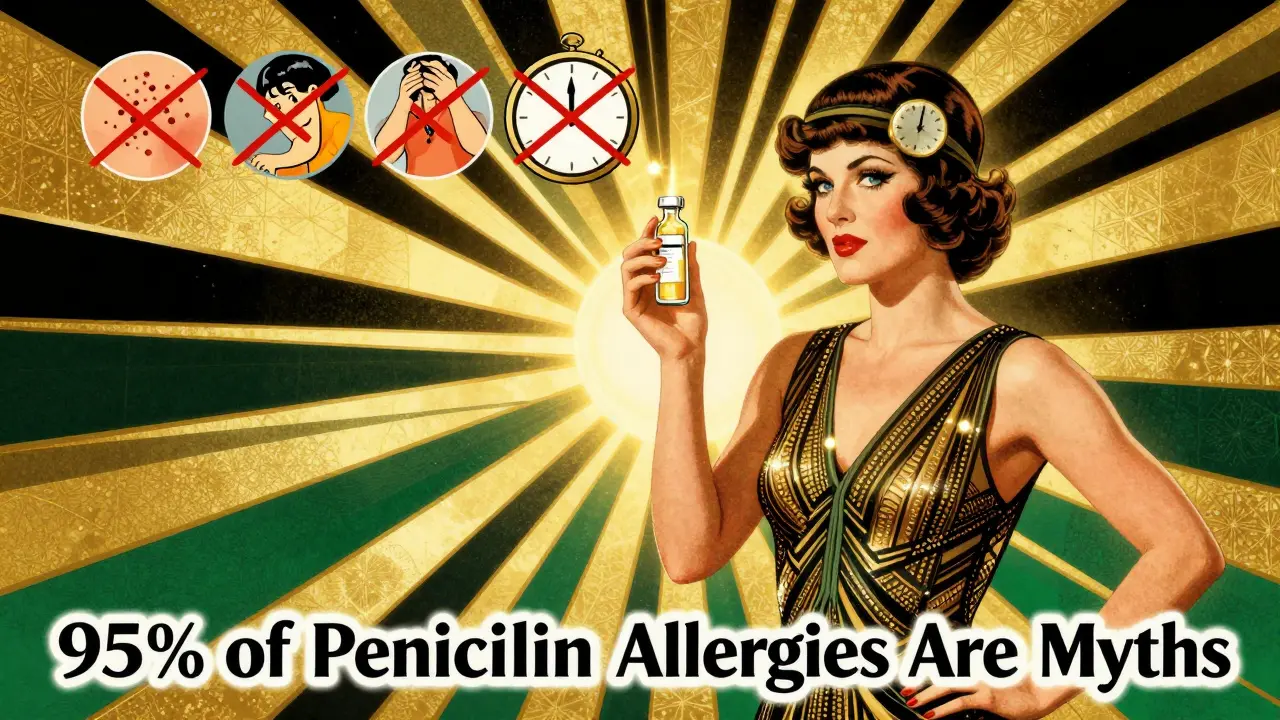
Beta-Lactam Allergies: Penicillin vs Cephalosporin Reactions Explained
Most people labeled penicillin-allergic aren't truly allergic. Learn how penicillin and cephalosporin reactions differ, why cross-reactivity is overblown, and how testing can get you back on the safest antibiotics.
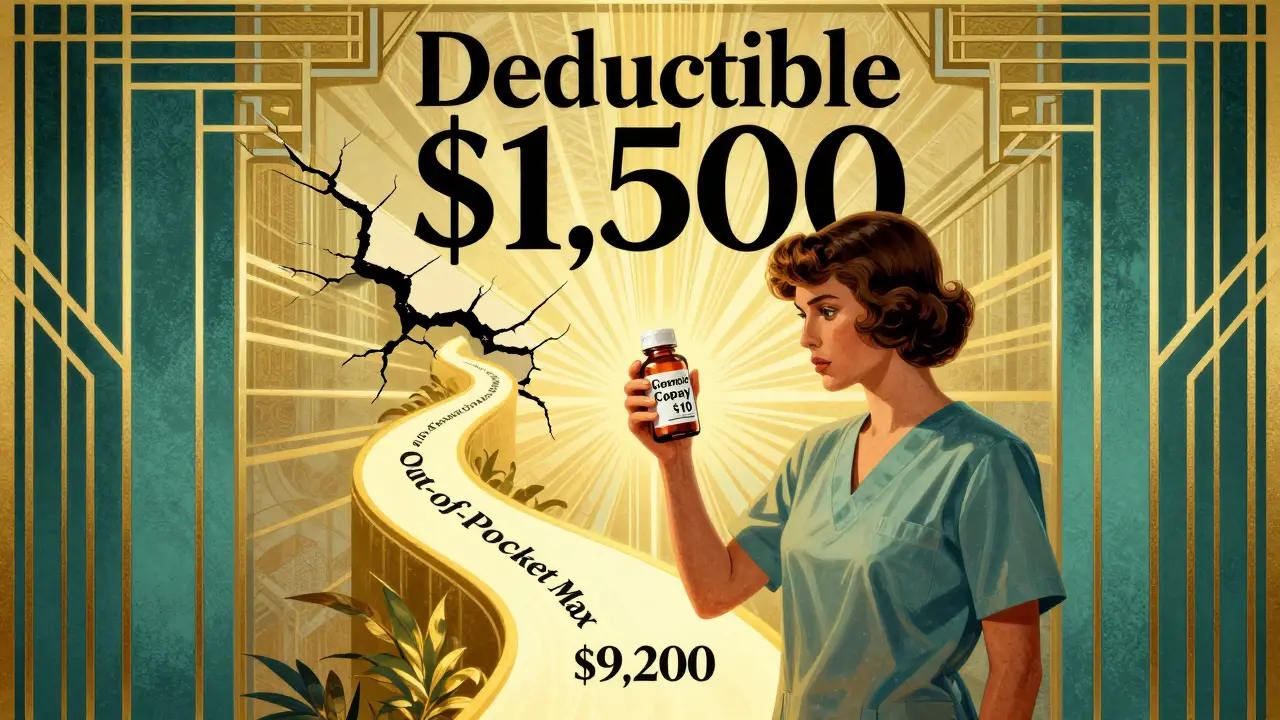
Out-of-Pocket Maximums: How Generic Copays Count Toward Deductibles in Health Insurance
Generic copays don't count toward your deductible but do count toward your out-of-pocket maximum. Learn how this affects your health spending and how to avoid costly surprises with your insurance plan.
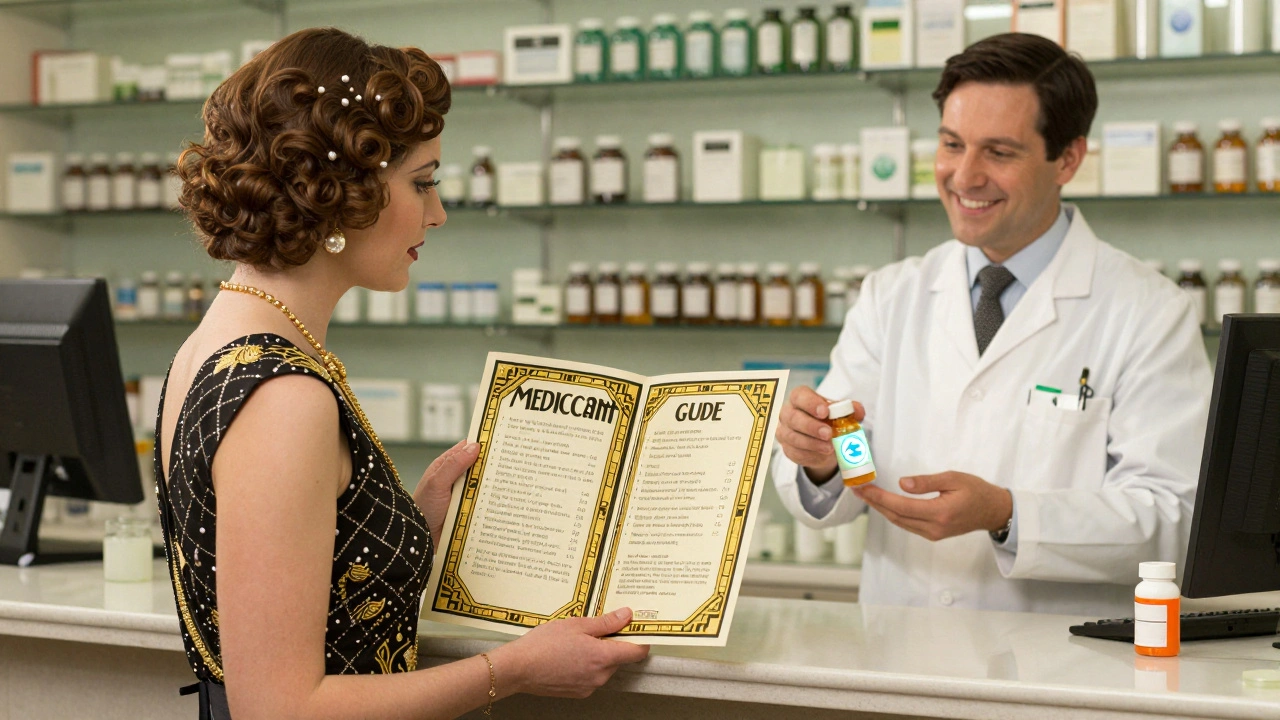
How to Access FDA-Required Medication Guides for Your Prescription Drugs
Learn how to get FDA-required Medication Guides for your prescription drugs. Know when they're required, how to ask for them at the pharmacy, where to find them online, and why the system is changing to make safety info clearer.

When Staying on Brand Beats Generic Alternatives: Rare Cases That Actually Work
In rare cases, staying on brand-instead of switching to generics-creates deeper emotional connections, stronger loyalty, and higher customer retention. Learn why consistency beats adaptation in moments that matter.
How to Re-Challenge or Desensitize After a Drug Allergy Under Supervision
Drug desensitization allows patients with confirmed allergies to safely receive life-saving medications through a supervised, step-by-step process. It's the only option when no alternatives exist, with success rates over 90% when done correctly.

Weight Gain from Antidepressants: Which Drugs Cause It and How to Stop It
Weight gain is a common side effect of many antidepressants, especially with long-term use. Learn which drugs are most likely to cause it, how much weight people typically gain, and what you can do to manage it without stopping your treatment.

How to Work with Your Doctor to Deprescribe and Save Money
Learn how to work with your doctor to safely stop unnecessary medications, reduce health risks, and save hundreds or even thousands of dollars a year on prescriptions.