Archive: 2026/03

Functional Impairment in Autoimmunity: How Rehab and Occupational Therapy Help You Stay Independent
Functional impairment from autoimmune diseases can steal your independence, but targeted rehab and occupational therapy can help you regain control. Learn how personalized exercise, energy pacing, and adaptive tools make daily life possible.

What Does a Medication Expiration Date Really Mean for Your Safety?
Expiration dates on medications aren't just marketing-they're science-backed safety limits. But many drugs stay effective years past their date. Learn which ones are safe, which are dangerous, and how to store them right.

Grapefruit and Grapefruit Juice: Which Medications Are Affected and Why
Grapefruit can dangerously increase levels of many medications by blocking a key liver enzyme. Over 85 drugs, including statins and blood pressure meds, are affected. Learn which ones are risky and what to do instead.
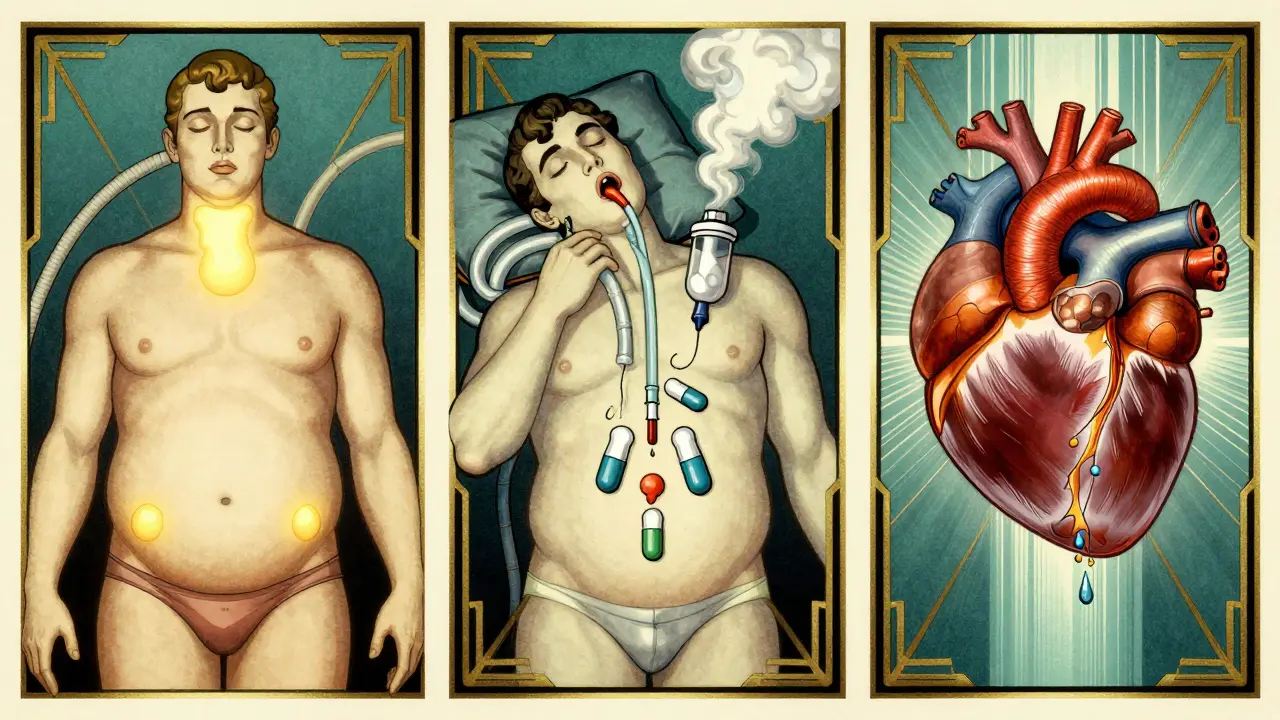
Obesity Comorbidities: How Diabetes, Heart Disease, and Sleep Apnea Connect
Obesity doesn't just add weight-it triggers diabetes, heart disease, and sleep apnea in a dangerous cycle. Learn how these three conditions connect, why they make each other worse, and what actually works to break the chain.

What Is a Drug Formulary? Complete Explanation for Patients
A drug formulary is your insurance plan's list of covered medications, organized into tiers that determine your out-of-pocket costs. Understanding how it works can save you hundreds on prescriptions.

Prior Authorization for NTI Drugs: When Insurers Require Brand-Name Medications
NTI drugs demand precision-small changes in dosage can trigger seizures or organ failure. Yet insurers often force patients onto generics. Here's how prior authorization puts lives at risk and what’s being done to fix it.
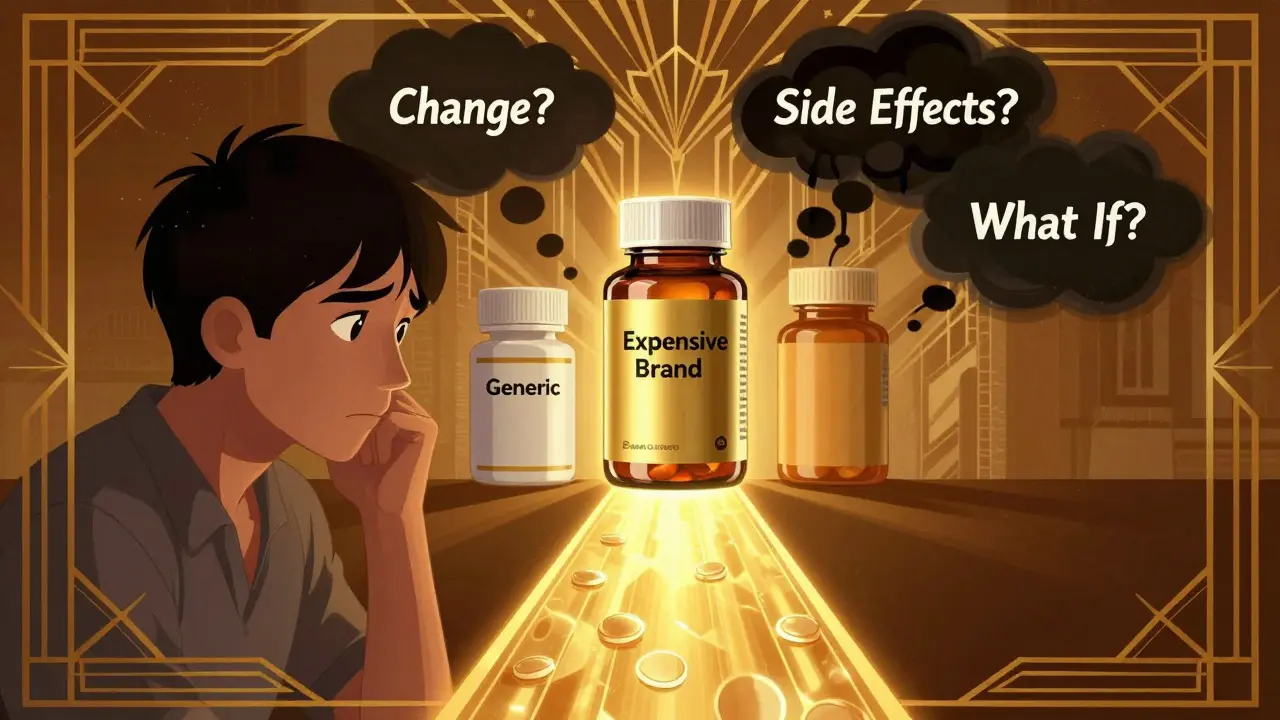
Behavioral Economics: Why Patients Choose the Wrong Drugs
Behavioral economics reveals why patients often choose expensive, ineffective drugs over cheaper alternatives - not because they're irrational, but because human psychology works differently than economic models assume. Learn the real reasons behind poor medication adherence and how simple nudges can save lives.

Bipolar Disorder: How Mood Stabilizers and Antipsychotics Really Work
Mood stabilizers like lithium and antipsychotics like quetiapine are key to managing bipolar disorder, but side effects often make treatment hard to stick with. Learn how they work, what to expect, and how real people find balance.
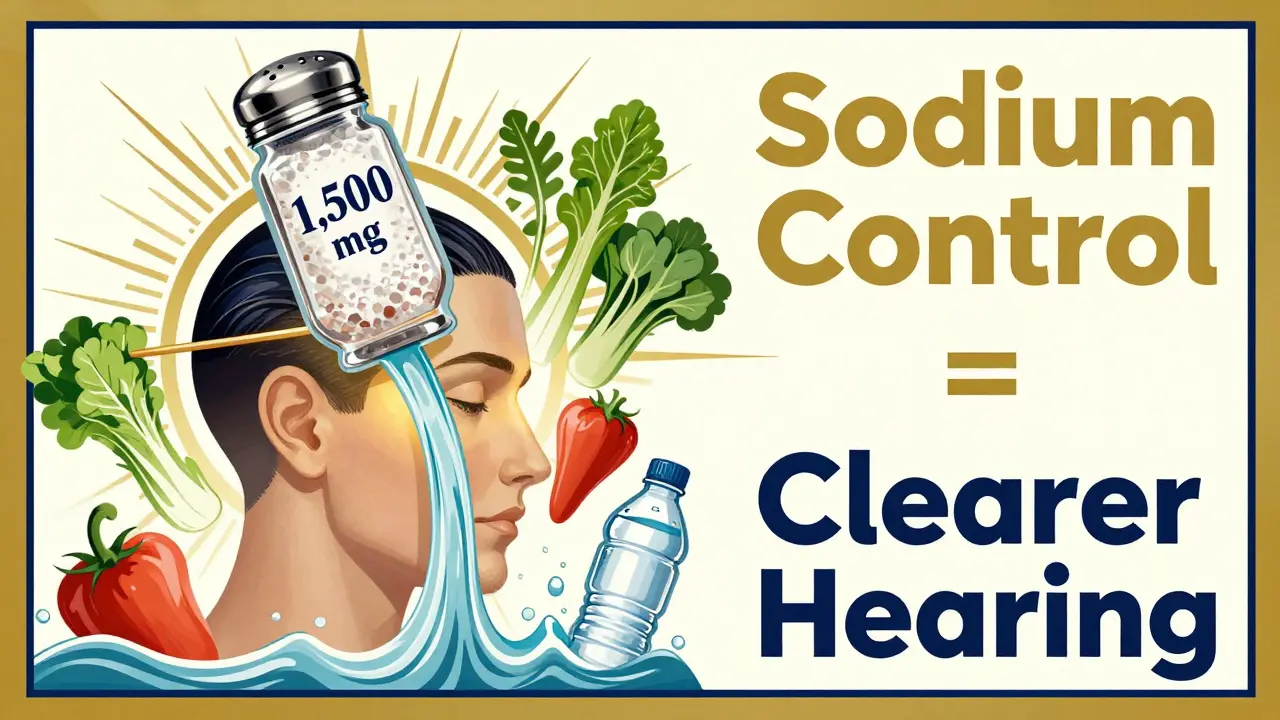
Meniere’s Diet: How Sodium Restriction and Fluid Balance Reduce Vertigo and Hearing Loss
A low-sodium diet and proper fluid balance can significantly reduce vertigo, tinnitus, and hearing loss in Meniere’s disease. Learn how cutting salt to 1,500 mg/day and drinking the right amount of water can improve symptoms without medication.