Archive: 2026/01
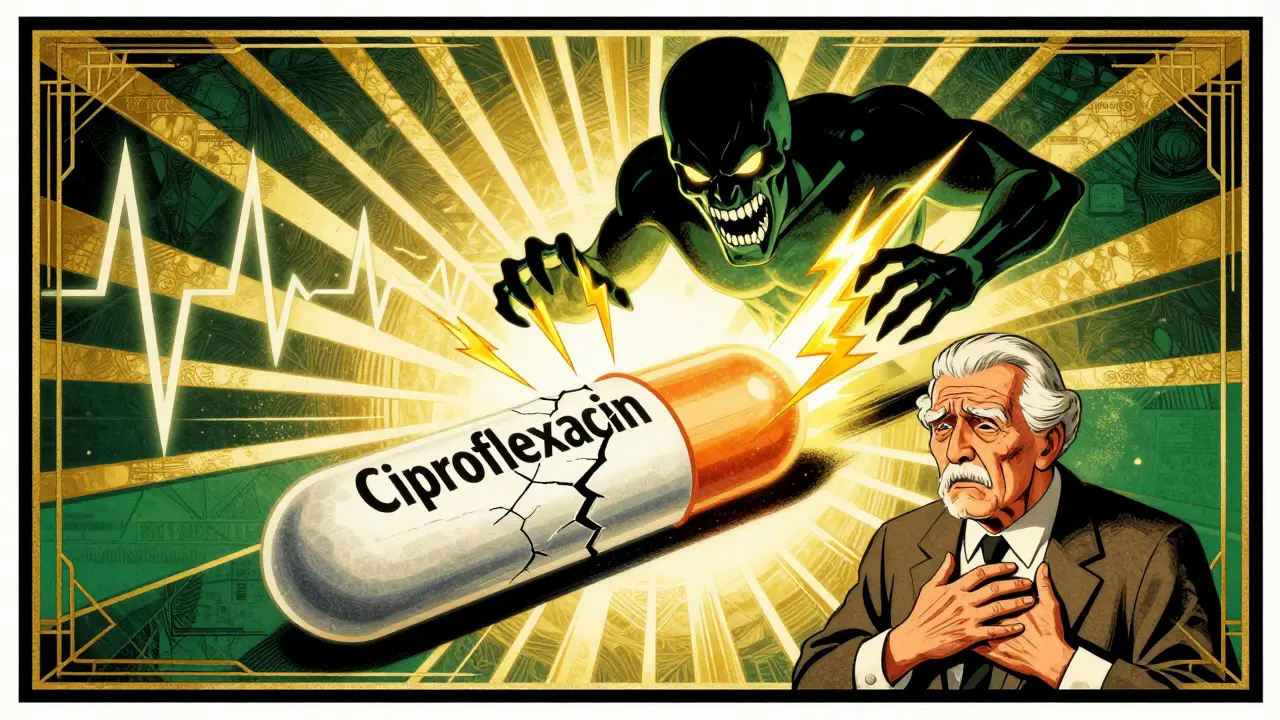
Ciprofloxacin and Theophylline: Why This Drug Pair Can Be Deadly
Ciprofloxacin can dangerously increase theophylline levels in the blood, leading to life-threatening toxicity. This well-documented drug interaction requires immediate dose adjustments and monitoring to avoid seizures, arrhythmias, and hospitalization.

Clarithromycin and Statins: How to Avoid Muscle Toxicity Interactions
Clarithromycin can dangerously increase statin levels, leading to muscle damage or rhabdomyolysis. Learn which statins are riskiest, how to avoid this interaction, and the safest antibiotic alternative.
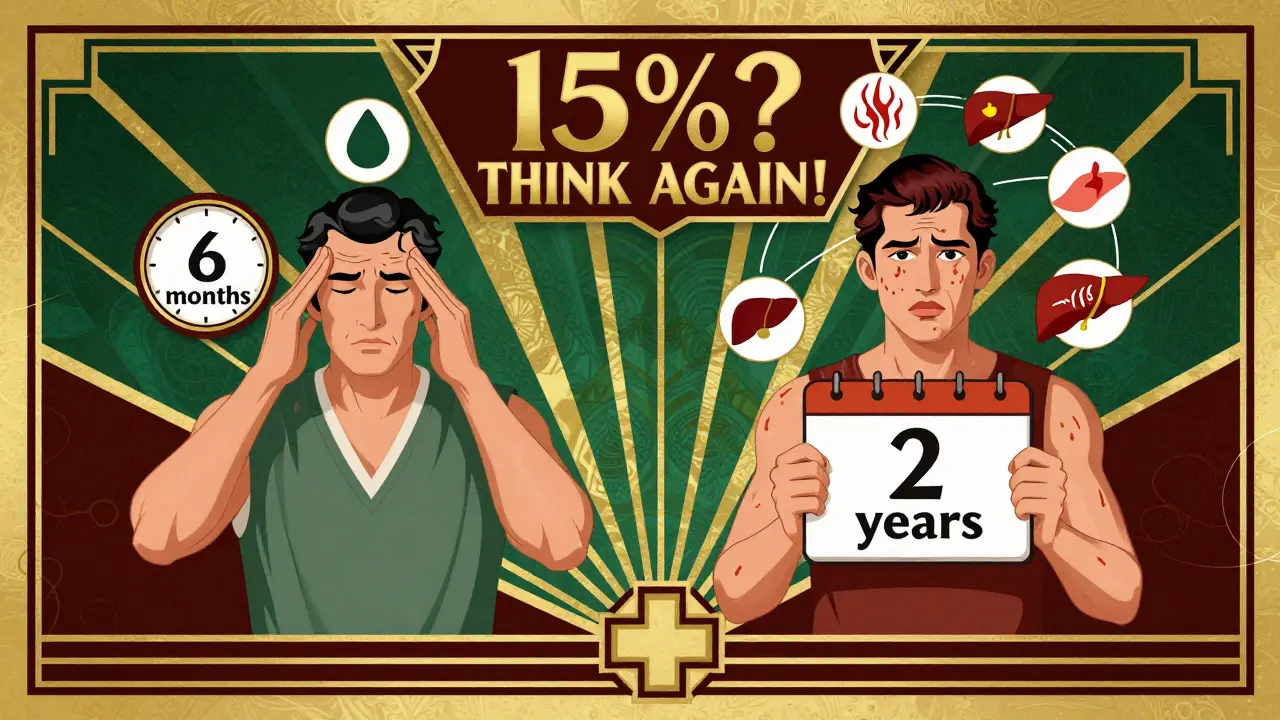
Understanding Adverse Event Rates: Percentages and Relative Risk in Clinical Trials
Learn how exposure-adjusted incidence rate (EAIR) gives a more accurate picture of drug safety than simple percentages. Understand why the FDA now requires this method in clinical trials and how it impacts real-world decisions.

How to Share a Complete Medication List to Prevent Dangerous Drug Interactions
Sharing a complete medication list with your healthcare providers can prevent dangerous drug interactions. Learn exactly what to include, how to keep it updated, and how to share it effectively to stay safe.

Severe Hypertensive Crisis from Drug Interactions: What You Need to Know
A severe hypertensive crisis from drug interactions can spike blood pressure to life-threatening levels in minutes. Learn which medications and OTC products trigger it, how to recognize the signs, and how to prevent it before it's too late.

Acetaminophen and Liver Disease: Safe Dosing to Avoid Hepatotoxicity
Acetaminophen is safe for most people-but if you have liver disease, even normal doses can cause serious harm. Learn the real limits, hidden sources, and what to do if you’ve taken too much.
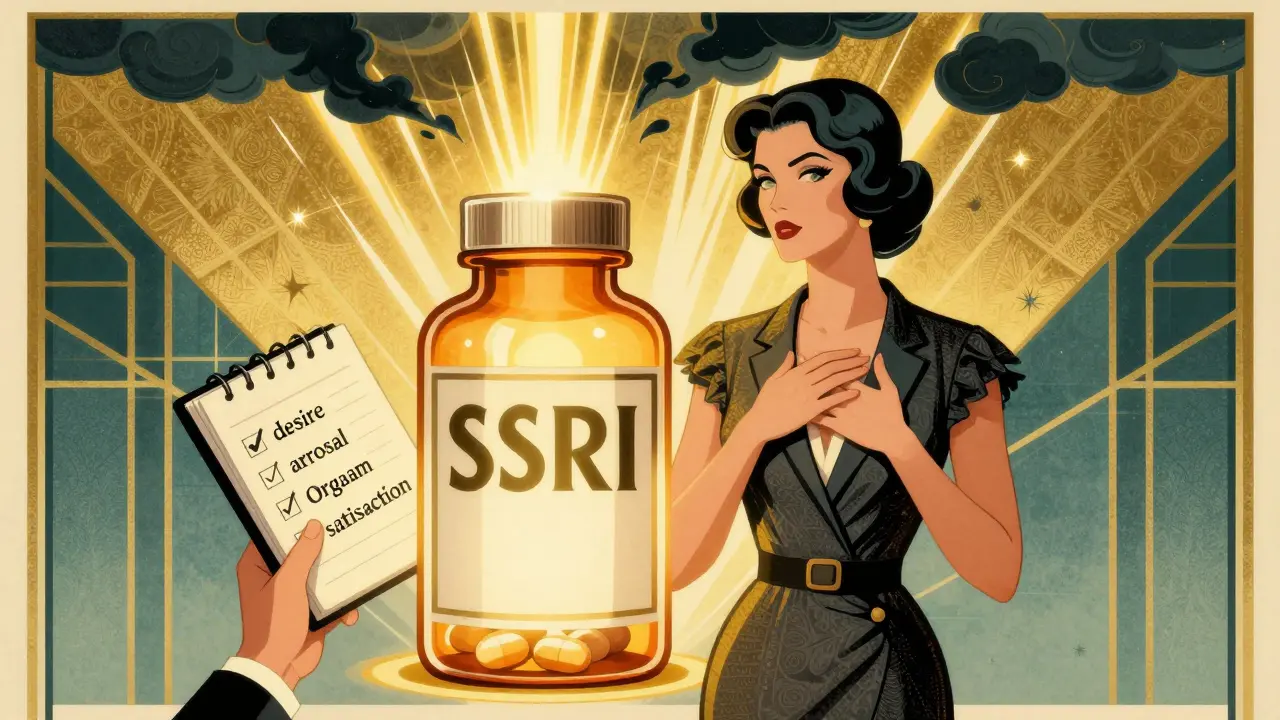
Managing SSRI Sexual Dysfunction: Dose Changes, Switches, and Adjuncts
SSRI-induced sexual dysfunction affects up to 70% of users, but it’s manageable with dose changes, medication switches, or adjuncts like bupropion. Learn what works, what doesn’t, and how to talk to your doctor.

Antibiotics Safe for Breastfeeding: What You Need to Know
Most antibiotics are safe to take while breastfeeding. Learn which ones are safest, which to avoid, and how to protect your baby without stopping nursing. Evidence-based guide for new moms.

Orthostatic Hypotension from Medications: Why You Feel Dizzy When You Stand Up
Dizziness when standing up isn't normal-it's often caused by medications like antipsychotics, blood pressure drugs, or diuretics. Learn which pills trigger orthostatic hypotension and how to fix it safely.

How Medicare Drug Price Negotiations Work and What It Means for Your Prescription Costs
Medicare is now negotiating prices for expensive prescription drugs for the first time. Starting in 2026, 10 top drugs will see discounts up to 79%, cutting costs for millions. Here’s how it works and what it means for you.
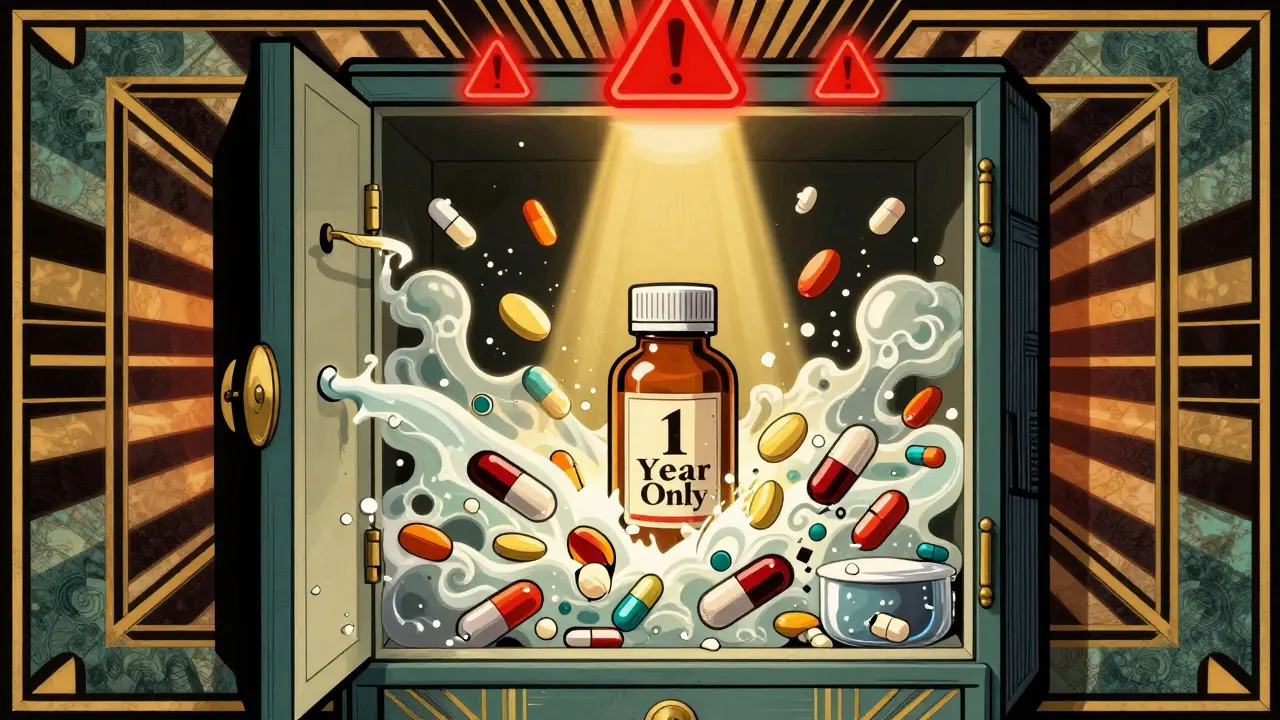
Checking Your Medicine Cabinet for Expired Drugs: A Simple Checklist for Safety
Regularly checking your medicine cabinet for expired drugs prevents accidental poisoning, ensures medications work when needed, and reduces risks like opioid misuse. Follow this simple checklist to stay safe.

Type 1 Diabetes: Managing Autoimmune Destruction of the Pancreas
Type 1 diabetes is an autoimmune disease that destroys insulin-producing cells in the pancreas. Learn how it develops, how it differs from type 2, and the latest treatments-from CGMs to immunotherapies-that are changing outcomes.