Category: Health - Page 2
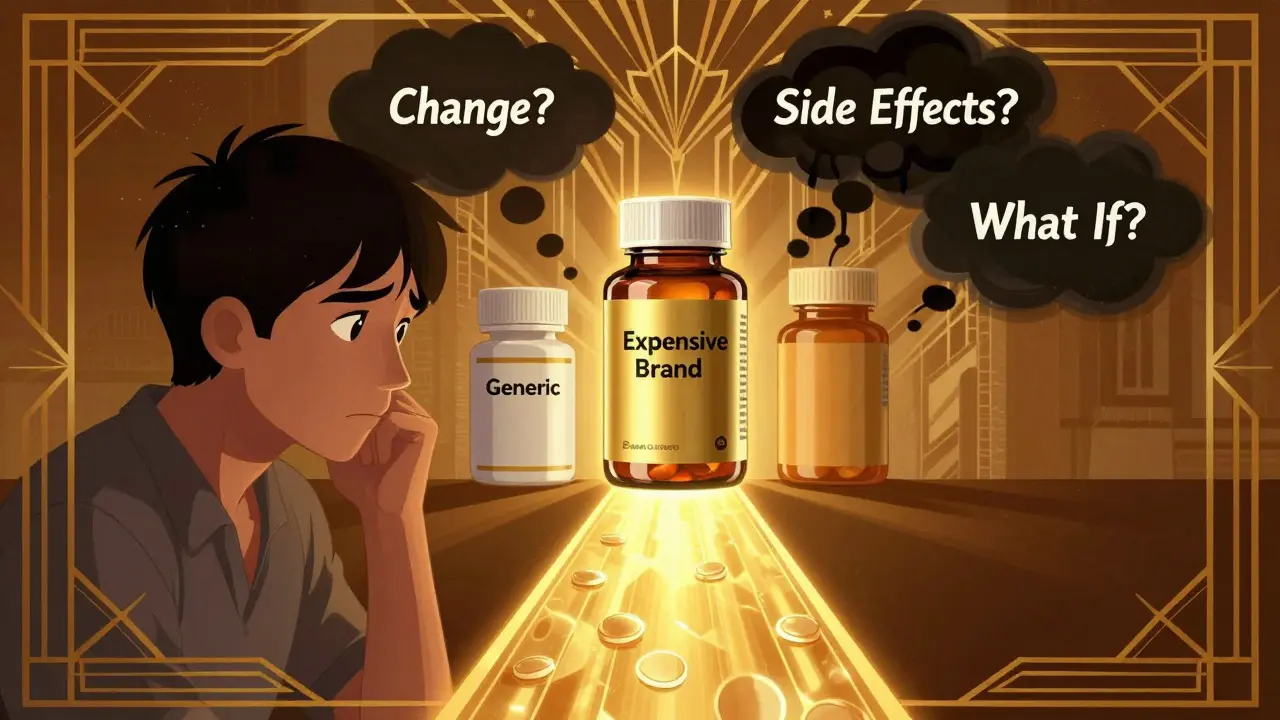
Behavioral Economics: Why Patients Choose the Wrong Drugs
Behavioral economics reveals why patients often choose expensive, ineffective drugs over cheaper alternatives - not because they're irrational, but because human psychology works differently than economic models assume. Learn the real reasons behind poor medication adherence and how simple nudges can save lives.

Bipolar Disorder: How Mood Stabilizers and Antipsychotics Really Work
Mood stabilizers like lithium and antipsychotics like quetiapine are key to managing bipolar disorder, but side effects often make treatment hard to stick with. Learn how they work, what to expect, and how real people find balance.
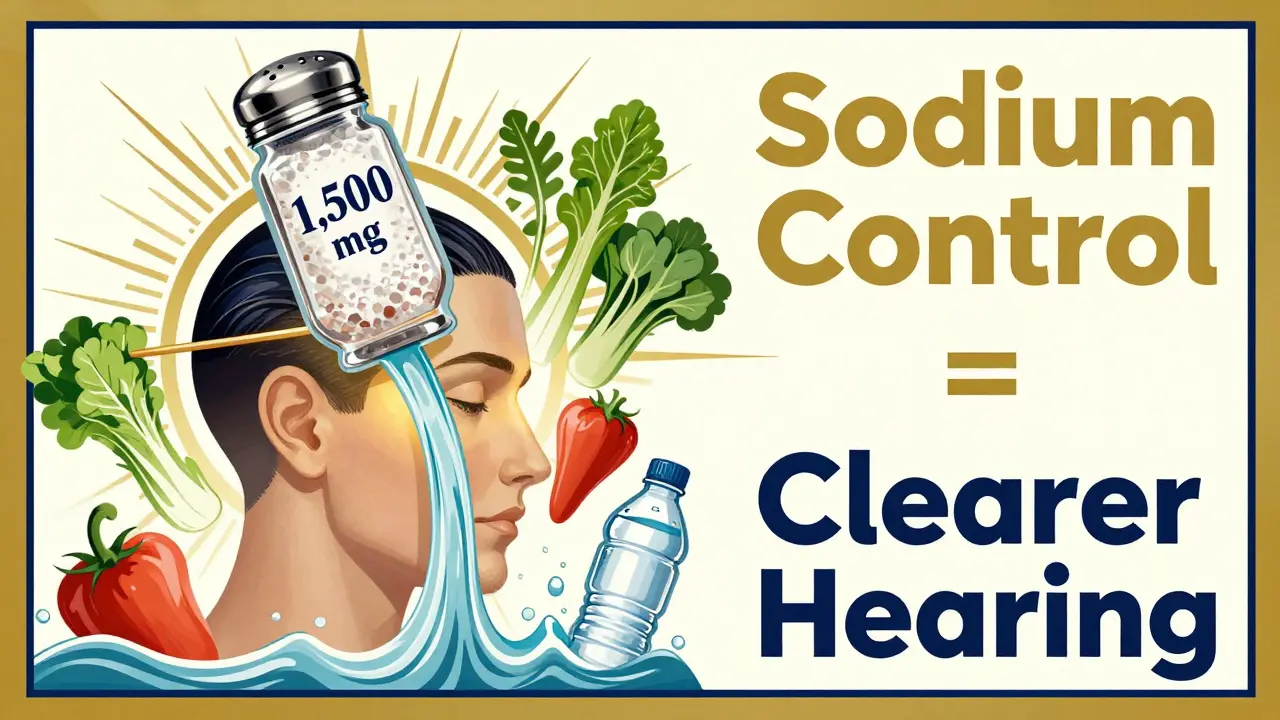
Meniere’s Diet: How Sodium Restriction and Fluid Balance Reduce Vertigo and Hearing Loss
A low-sodium diet and proper fluid balance can significantly reduce vertigo, tinnitus, and hearing loss in Meniere’s disease. Learn how cutting salt to 1,500 mg/day and drinking the right amount of water can improve symptoms without medication.

Why Medications Cause Different Side Effects in Different People
Medications affect people differently due to genetics, age, body composition, and drug interactions. Learn why some experience severe side effects while others don’t - and how pharmacogenomics is changing the future of prescribing.

How to Safely Use Short-Term Medications After Surgery
Learn how to avoid dangerous medication errors after surgery by following proven safety protocols. From labeling syringes to verifying doses, these steps can prevent harm and speed up recovery.
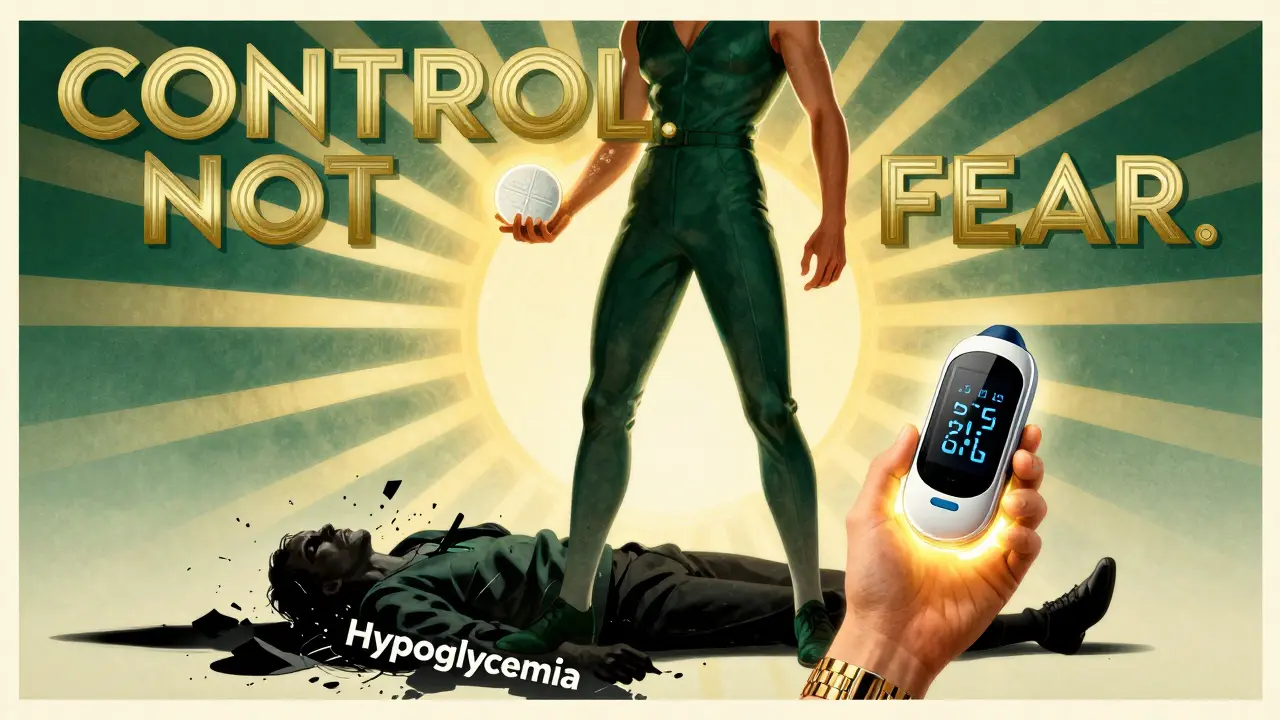
Insulin Therapy Side Effects: Managing Hypoglycemia and Weight Gain
Insulin therapy can cause hypoglycemia and weight gain-two common but manageable side effects. Learn how to prevent lows, control weight, and use new treatments like CGMs and GLP-1 drugs to stay safe and healthy.
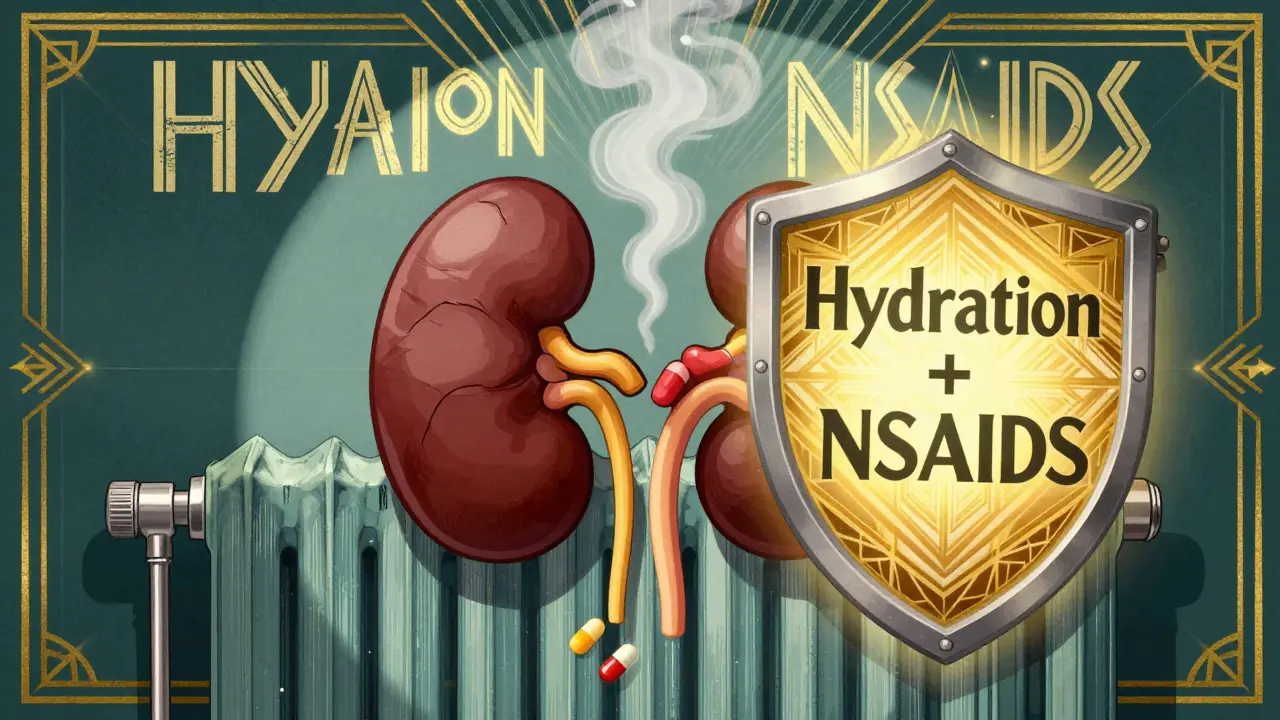
AKI on CKD: How to Avoid Contrast and Nephrotoxic Medications to Protect Kidney Function
AKI on CKD is a dangerous combo that can lead to permanent kidney damage. Learn how to avoid contrast dyes and common nephrotoxic meds like NSAIDs to protect your kidneys and prevent acute failure.

How to Transport Medications in Hot and Cold Weather: A Practical Guide for Patients and Caregivers
Learn how to safely transport insulin, vaccines, and other temperature-sensitive medications in extreme heat or cold. Practical tips for travelers, caregivers, and patients based on WHO, FDA, and IATA guidelines.
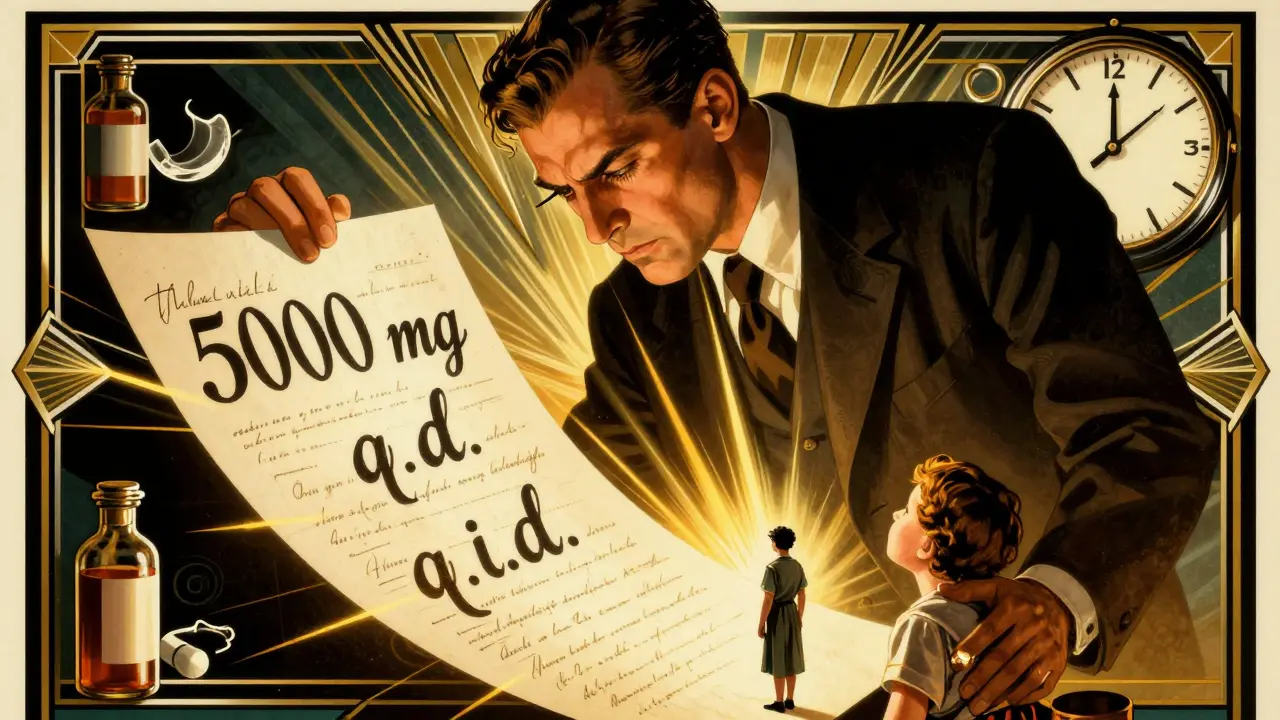
Illegible Handwriting on Prescriptions: How Poor Writing Puts Patients at Risk and What Actually Works
Illegible handwriting on prescriptions causes thousands of preventable deaths each year. E-prescribing cuts errors by 97%, yet many clinics still use paper. Here's what works - and what must change.

Air Travel With Ear Problems: Equalization and Safety Tips
Learn how to prevent and manage airplane ear pain during flights with proven techniques, safe products, and expert-backed tips. Avoid pain, muffled hearing, and damage by equalizing pressure correctly.

Stevens-Johnson Syndrome and Toxic Epidermal Necrolysis: What You Need to Know
Stevens-Johnson Syndrome and Toxic Epidermal Necrolysis are rare but deadly drug reactions that cause skin and mucous membrane damage. Learn the warning signs, common triggers, and why early detection saves lives.
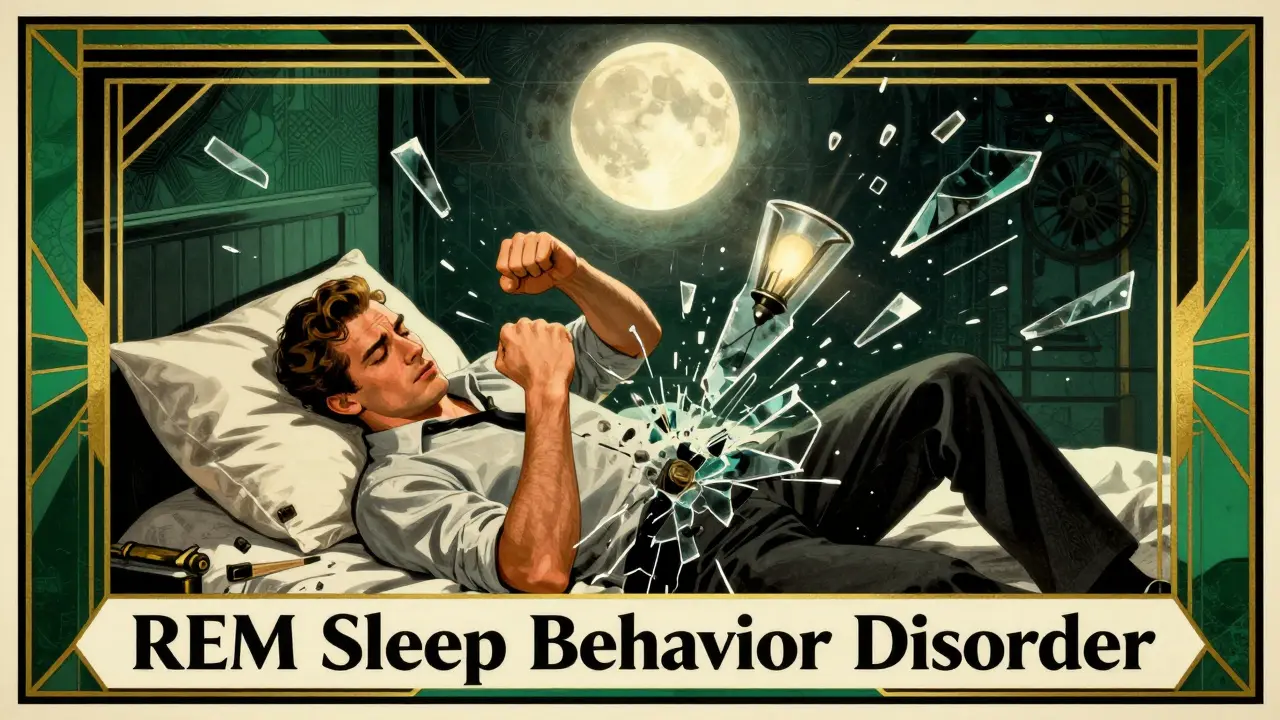
REM Sleep Behavior Disorder: Medications and Neurological Assessment
REM sleep behavior disorder (RBD) causes people to act out violent dreams during sleep, often leading to injury. It's strongly linked to Parkinson’s and dementia. Melatonin and clonazepam are the main treatments, but safety measures and neurological monitoring are just as crucial.