Category: Health - Page 3

Cardiovascular Combination Generics: Options and Alternatives
Cardiovascular combination generics combine multiple heart medications into one pill, improving adherence and cutting costs. Learn which combos are available, how they compare to brands, and whether they’re right for you.
SNRI Medications and Side Effects: Venlafaxine, Duloxetine, and Others
SNRI medications like venlafaxine and duloxetine treat depression and chronic pain by targeting serotonin and norepinephrine. Learn how they work, their side effects, and how they compare to other antidepressants.
How to Verify Pharmacy Licenses: Protect Yourself from Counterfeit Drugs
State pharmacy boards verify pharmacy licenses to protect the public from counterfeit drugs. Learn how to check license status online, common issues like delays, and why state boards are the only reliable source. Quick steps to avoid fake medications.

Antibiotics and Myasthenia Gravis: Risks, Safe Choices, and What to Watch For
People with myasthenia gravis need to know which antibiotics can worsen muscle weakness. Learn about risks, safe options, and how to stay safe with expert advice. Always consult your specialist before taking new meds.

How to Use Text Message Reminders for Medication Schedules
Text message reminders can significantly improve medication adherence by helping people take pills on time. Learn how to set up effective, personalized alerts that work for chronic conditions like hypertension, diabetes, and HIV.

FDA Listing for Biosimilars: How They Are Evaluated and Approved
The FDA doesn't rate biosimilars like generics-they undergo a strict scientific review to prove they're highly similar to biologic drugs. Learn how approval works, what interchangeable means, and why only 29 of 43 approved biosimilars are on the market.
Ciprofloxacin and Theophylline: Why This Drug Pair Can Be Deadly
Ciprofloxacin can dangerously increase theophylline levels in the blood, leading to life-threatening toxicity. This well-documented drug interaction requires immediate dose adjustments and monitoring to avoid seizures, arrhythmias, and hospitalization.

Clarithromycin and Statins: How to Avoid Muscle Toxicity Interactions
Clarithromycin can dangerously increase statin levels, leading to muscle damage or rhabdomyolysis. Learn which statins are riskiest, how to avoid this interaction, and the safest antibiotic alternative.
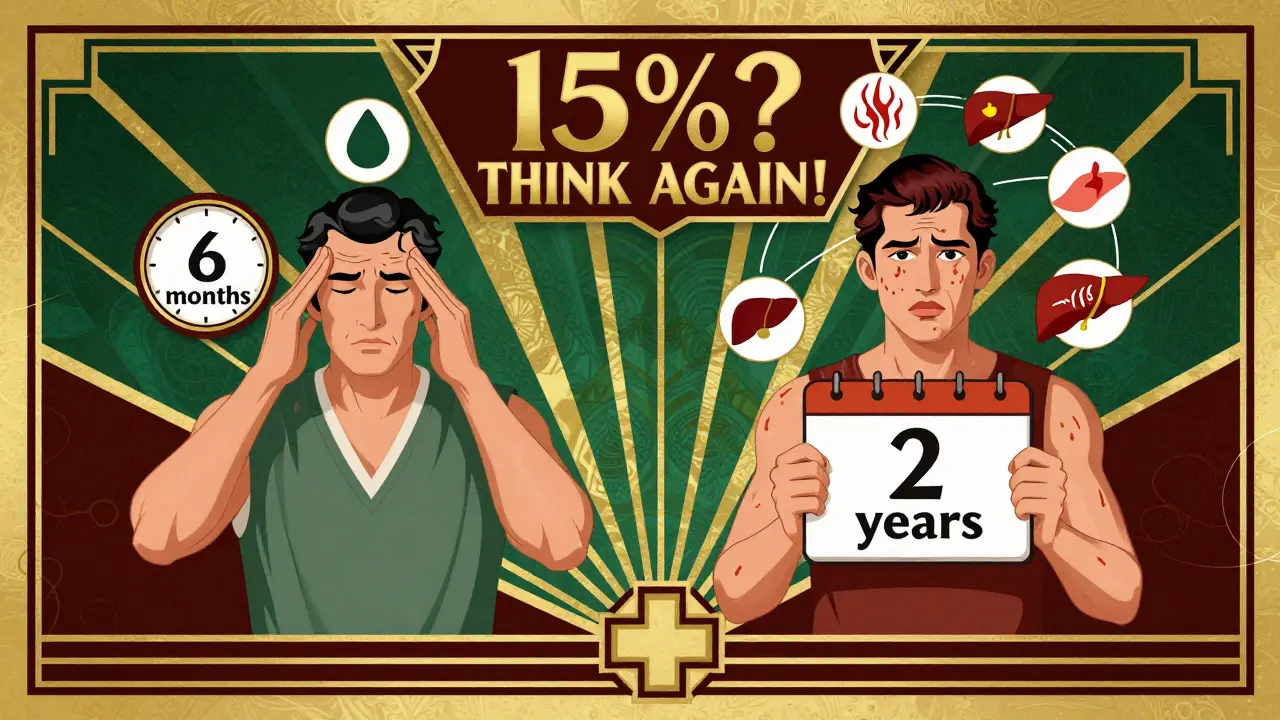
Understanding Adverse Event Rates: Percentages and Relative Risk in Clinical Trials
Learn how exposure-adjusted incidence rate (EAIR) gives a more accurate picture of drug safety than simple percentages. Understand why the FDA now requires this method in clinical trials and how it impacts real-world decisions.

How to Share a Complete Medication List to Prevent Dangerous Drug Interactions
Sharing a complete medication list with your healthcare providers can prevent dangerous drug interactions. Learn exactly what to include, how to keep it updated, and how to share it effectively to stay safe.

Severe Hypertensive Crisis from Drug Interactions: What You Need to Know
A severe hypertensive crisis from drug interactions can spike blood pressure to life-threatening levels in minutes. Learn which medications and OTC products trigger it, how to recognize the signs, and how to prevent it before it's too late.

Acetaminophen and Liver Disease: Safe Dosing to Avoid Hepatotoxicity
Acetaminophen is safe for most people-but if you have liver disease, even normal doses can cause serious harm. Learn the real limits, hidden sources, and what to do if you’ve taken too much.