SerifTuts - Page 4
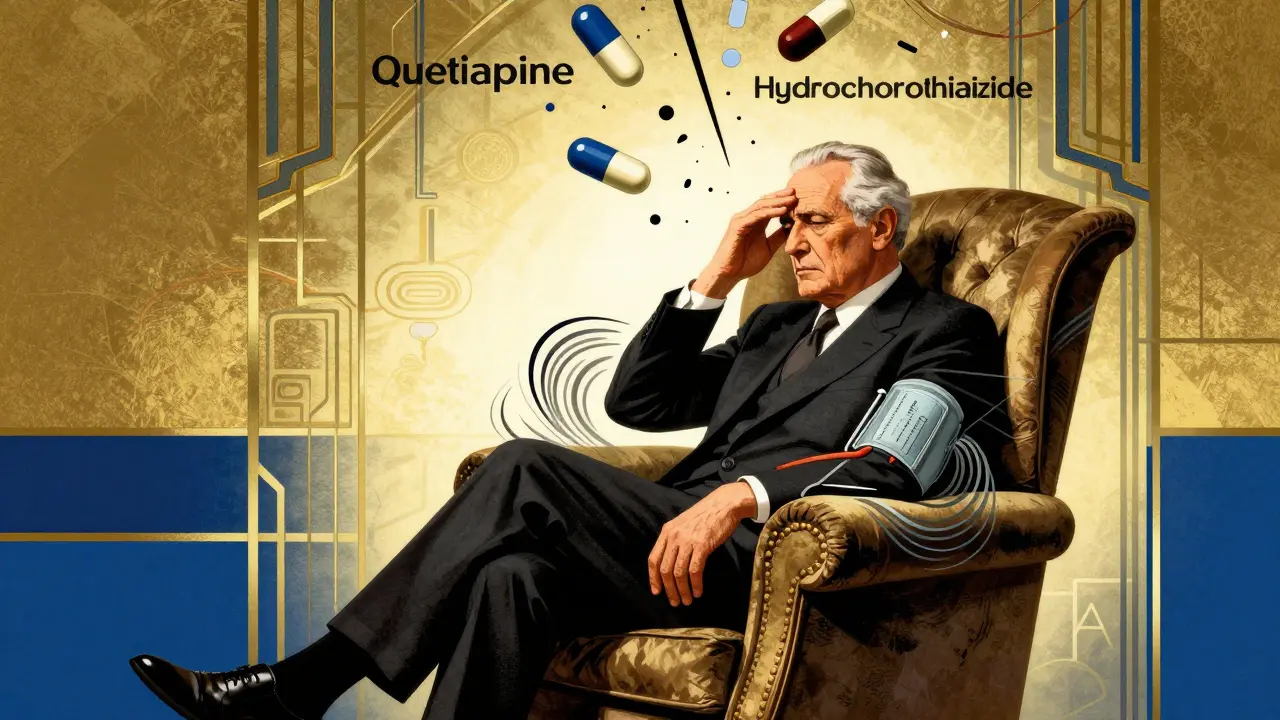
Orthostatic Hypotension from Medications: Why You Feel Dizzy When You Stand Up
Dizziness when standing up isn't normal-it's often caused by medications like antipsychotics, blood pressure drugs, or diuretics. Learn which pills trigger orthostatic hypotension and how to fix it safely.

How Medicare Drug Price Negotiations Work and What It Means for Your Prescription Costs
Medicare is now negotiating prices for expensive prescription drugs for the first time. Starting in 2026, 10 top drugs will see discounts up to 79%, cutting costs for millions. Here’s how it works and what it means for you.
Checking Your Medicine Cabinet for Expired Drugs: A Simple Checklist for Safety
Regularly checking your medicine cabinet for expired drugs prevents accidental poisoning, ensures medications work when needed, and reduces risks like opioid misuse. Follow this simple checklist to stay safe.
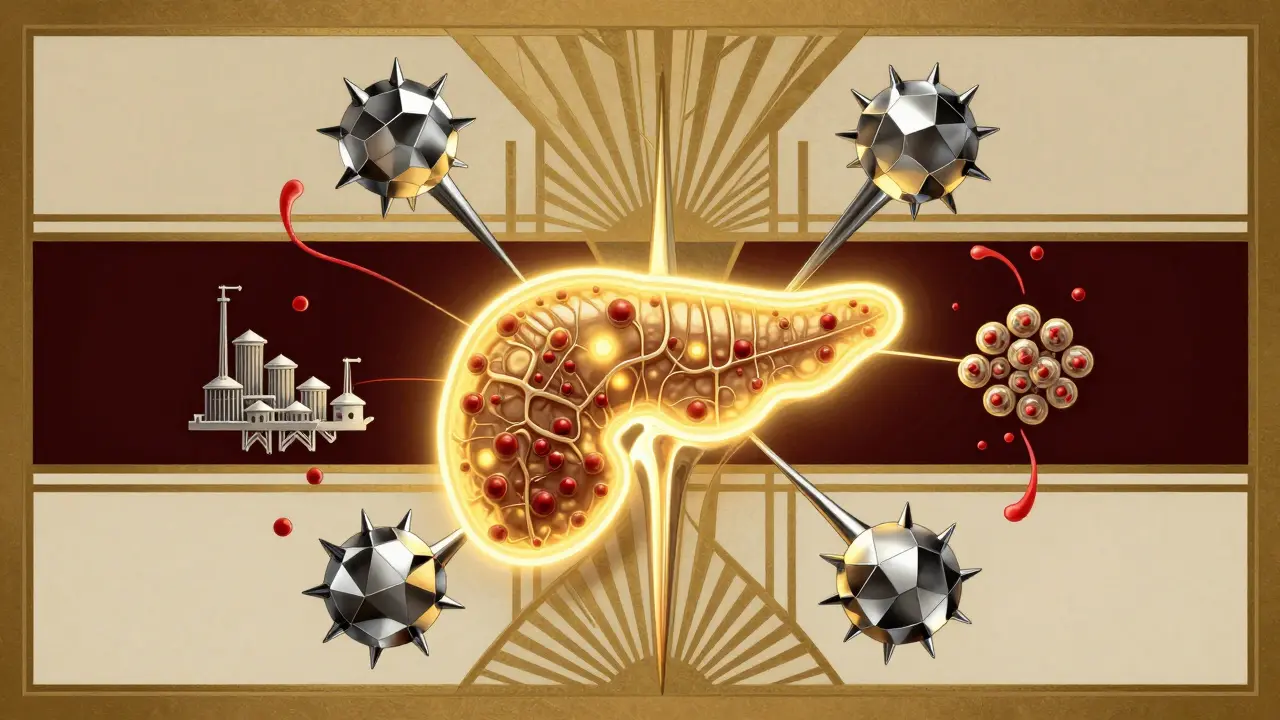
Type 1 Diabetes: Managing Autoimmune Destruction of the Pancreas
Type 1 diabetes is an autoimmune disease that destroys insulin-producing cells in the pancreas. Learn how it develops, how it differs from type 2, and the latest treatments-from CGMs to immunotherapies-that are changing outcomes.
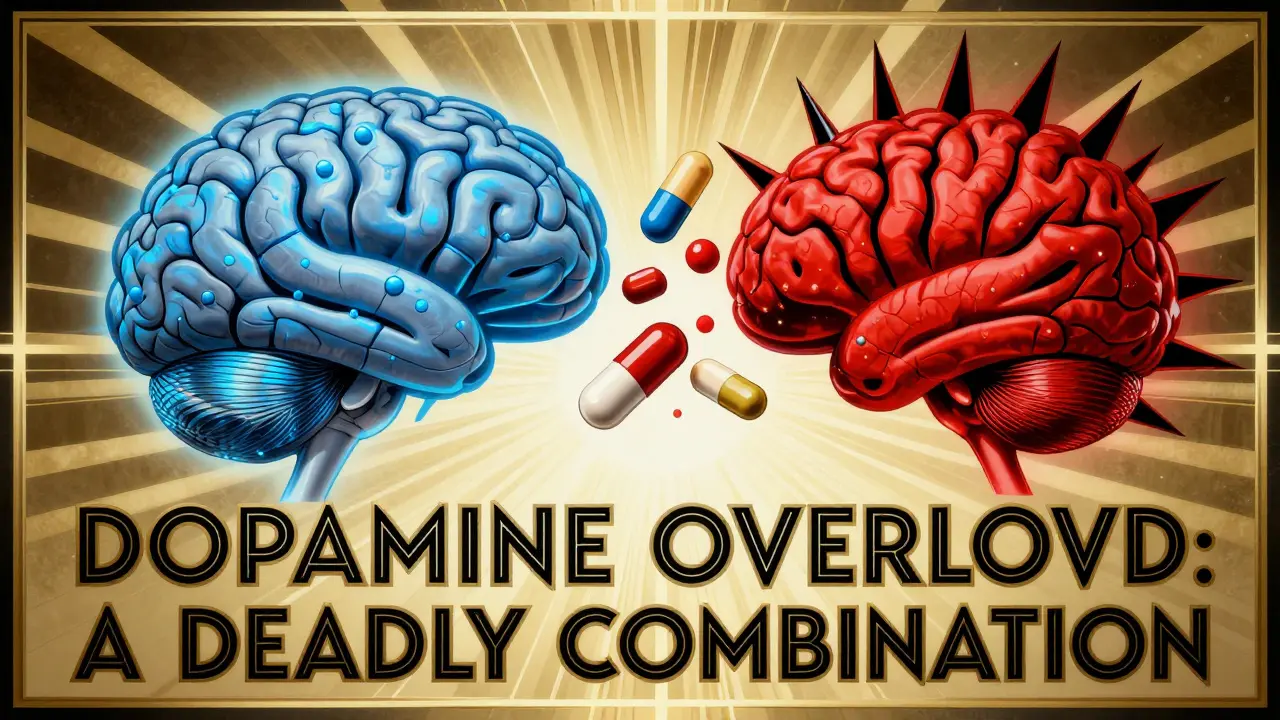
Metoclopramide and Antipsychotics: The Hidden Danger of Neuroleptic Malignant Syndrome
Combining metoclopramide with antipsychotics can trigger Neuroleptic Malignant Syndrome-a rare but deadly reaction. Learn why this drug combo is dangerous, who’s at risk, and what safer alternatives exist.
Tendinopathy Treatment: How Eccentric Training and Injections Really Work
Tendinopathy is a common tendon condition that responds best to eccentric training and load management-not injections. Learn how proven exercises rebuild tendons, why steroids often fail long-term, and what to do if pain doesn’t improve.
CGRP Inhibitors: The New Standard for Migraine Prevention
CGRP inhibitors are the first migraine-specific preventive drugs, offering real relief without the side effects of older treatments. They work for chronic and episodic migraine, with high patient satisfaction and growing clinical support.
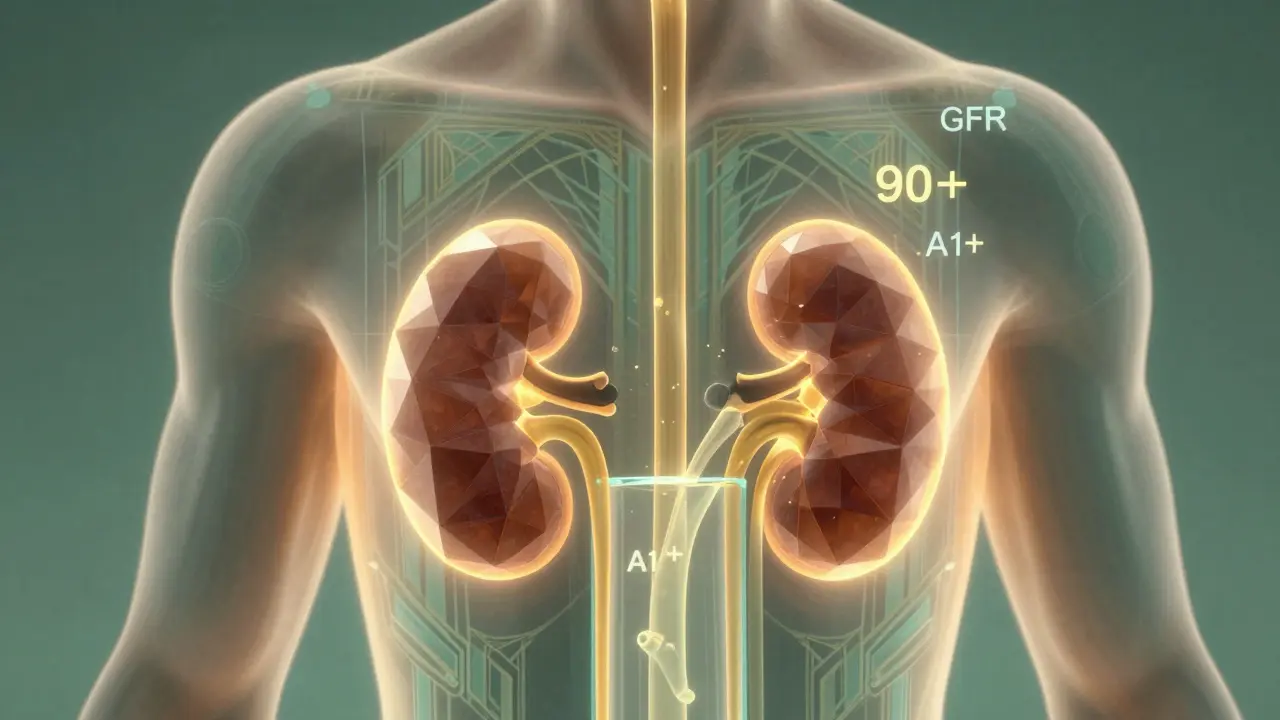
Chronic Kidney Disease: Understand the Stages, How It Progresses, and Why Early Detection Saves Lives
Chronic kidney disease often has no symptoms until it's advanced. Learn the six stages based on eGFR and albuminuria, why early detection saves lives, who should be tested, and how to prevent progression to kidney failure.
How to Reduce Pill Burden with Combination Medications for Seniors
Combination medications reduce daily pill counts for seniors, improving adherence and health outcomes. Learn how single-pill combos work, when they're best, and how to talk to your doctor about switching.

Fertility Preservation Before Chemotherapy: What You Need to Know
Fertility preservation before chemotherapy can protect your ability to have children later. Learn the proven options-egg freezing, sperm banking, ovarian tissue cryopreservation-and what to do right after diagnosis.
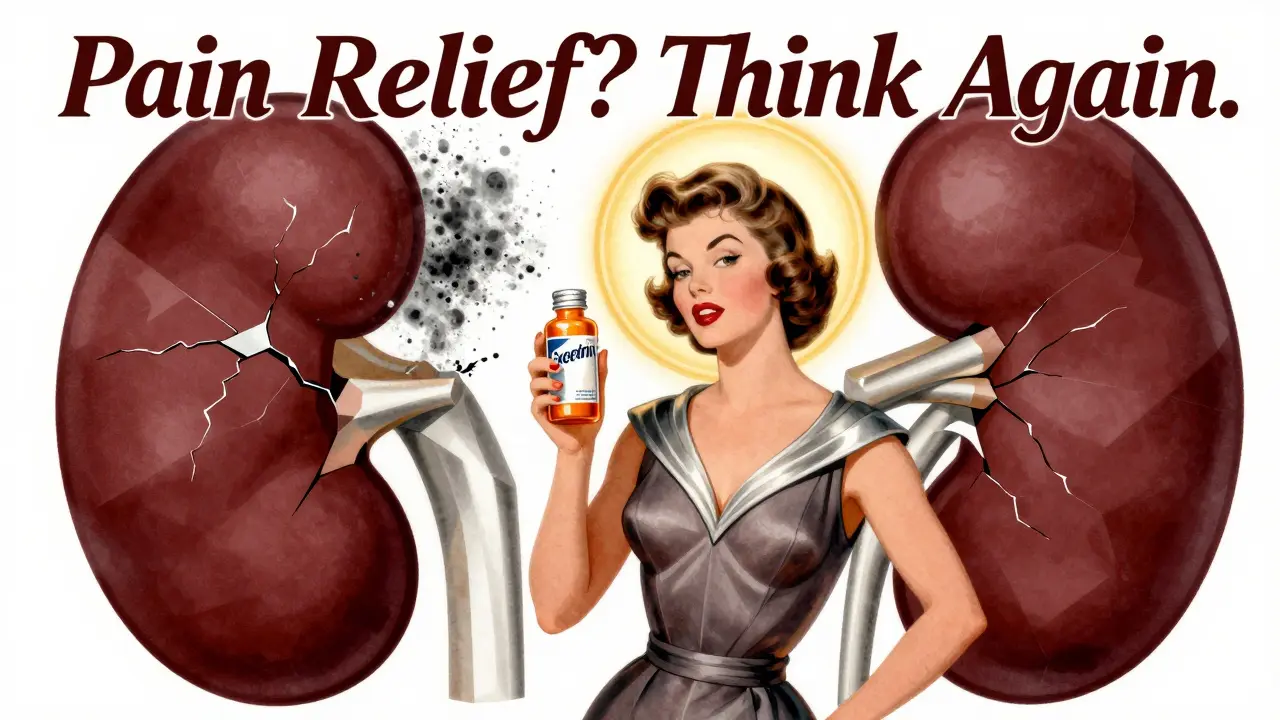
Analgesic Nephropathy: How NSAIDs Damage Kidneys and What to Use Instead
Long-term use of NSAIDs and combo painkillers can silently damage your kidneys. Learn how analgesic nephropathy develops, who's at risk, and what safer alternatives actually work.

Taste Changes and Metallic Taste from Medications: Proven Coping Strategies
Metallic taste from medications is common and often overlooked. Learn proven strategies like zinc supplementation, dietary tweaks, and oral hygiene tips to restore normal taste and improve medication adherence.